

Narrow down the problem
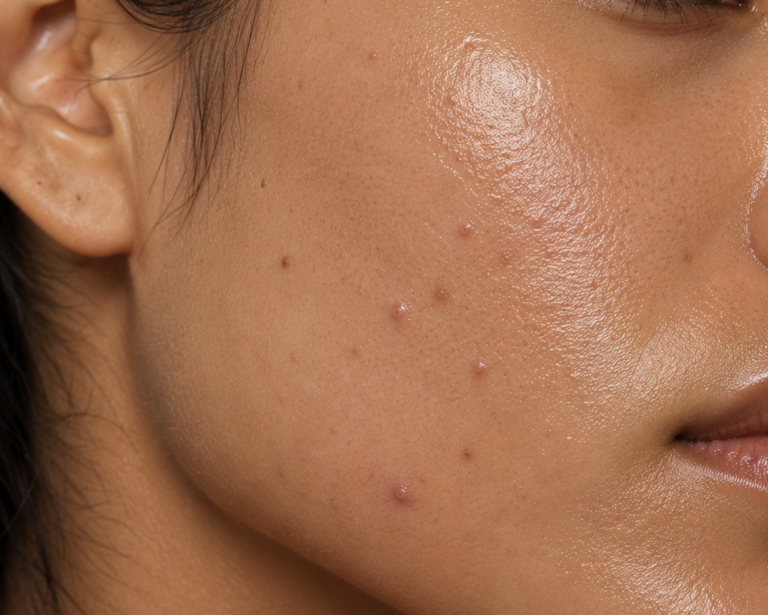
Acne isn’t a single condition. It’s a cluster of symptoms that look similar but require different treatments. Using benzoyl peroxide on dry, irritated skin won’t fix a hormonal cyst, just as laser therapy won’t clear a clogged pore caused by heavy makeup. Before you buy a product or book a procedure, identify the specific type of breakout you’re dealing with.
Blackheads and whiteheads (comedones)
These are clogged pores. Blackheads (open comedones) appear dark because the oil oxidizes when exposed to air. Whiteheads (closed comedones) are trapped under a thin layer of skin. They don’t usually hurt, but they create rough texture. These respond well to salicylic acid or retinoids that dissolve the blockage. Benzoyl peroxide is often overkill here and can dry out the skin without unclogging the pore.
Red, inflamed bumps (papules and pustules)
These are the classic "pimples." Papules are solid, red, and tender. Pustules have a white or yellow center filled with pus. They result from bacteria (C. acnes) and inflammation. This is where benzoyl peroxide shines, as it kills bacteria and reduces swelling. If you use these, start with a low concentration (2.5%) to avoid irritation. Overusing strong washes can damage your skin barrier, making redness worse.
Deep, painful lumps (nodules and cysts)
Nodules and cysts form deep under the skin. They are large, painful, and don’t come to a head. These are driven by hormones and genetics, not just surface dirt. Topical creams rarely penetrate deep enough to help. Squeezing them can cause permanent scarring. These cases usually require prescription treatment from a dermatologist, such as oral antibiotics or isotretinoin.
Where is it appearing?
Location can hint at the cause. Breakouts along the jawline and chin are often hormonal, common in adults. Forehead and temple acne may relate to hair products, hats, or sweat. Cheek acne can be triggered by phone screens, pillowcases, or dairy. Track where new breakouts appear for two weeks to spot patterns.
Quick check
If you have blackheads, look for a salicylic acid cleanser. If you have red, inflamed bumps, try a benzoyl peroxide spot treatment. If you have deep, painful cysts, skip the over-the-counter washes and see a doctor.
Run these checks
Acne treatment works best as a clear sequence: define the constraint, compare the realistic options, test the tradeoff, and choose the path with the fewest hidden costs. That order keeps the advice usable instead of decorative.
After each step, pause long enough to check whether the recommendation still fits the reader's actual situation. If it depends on perfect timing, unusual access, or a best-case budget, include a simpler fallback.
What usually fixes it
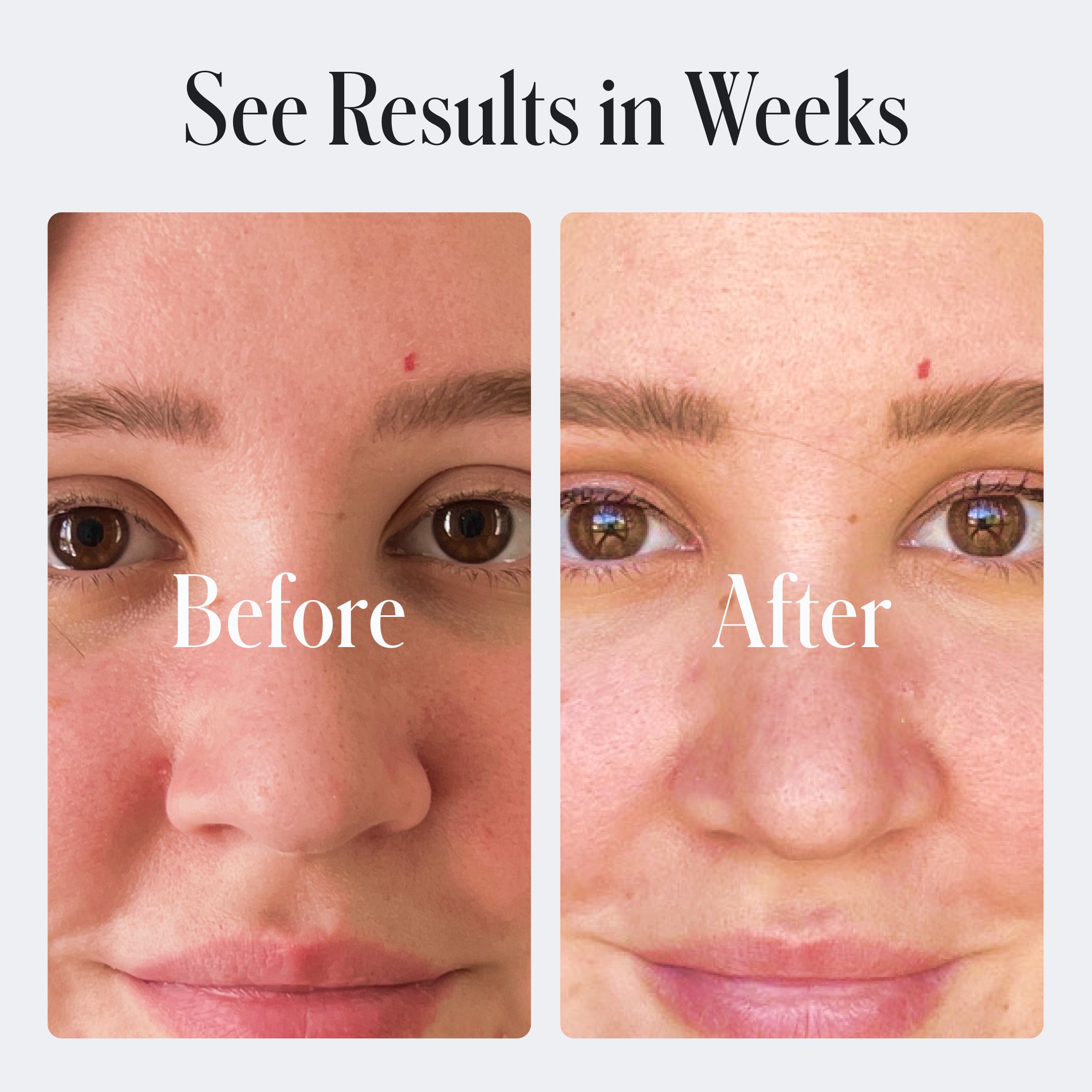
Acne doesn’t have a single switch, but most cases respond to a predictable sequence: clear the pores, calm the inflammation, and protect the skin barrier. If you’ve tried random products without seeing results, the issue is rarely the brand—it’s the mismatch between your acne type and the active ingredient.
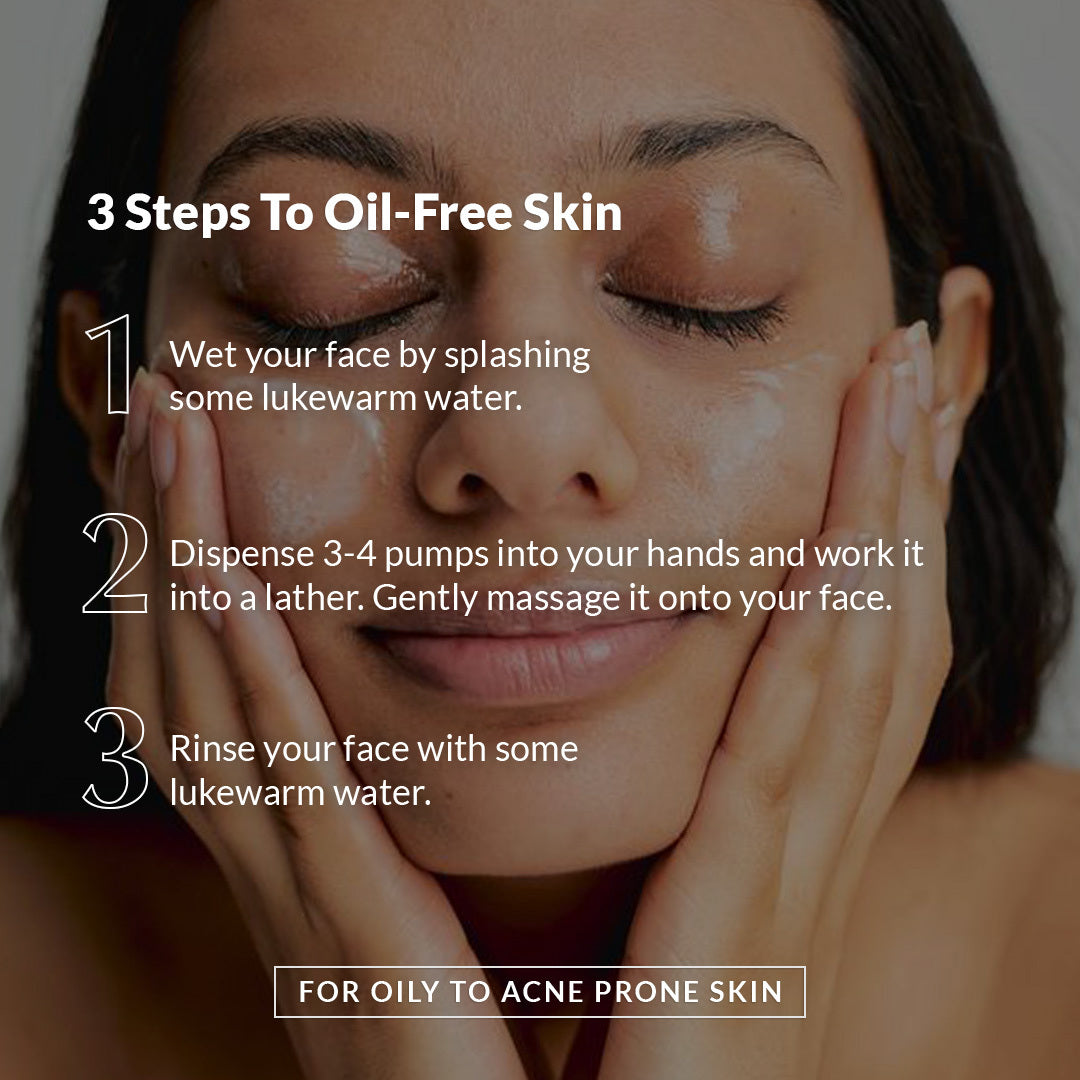
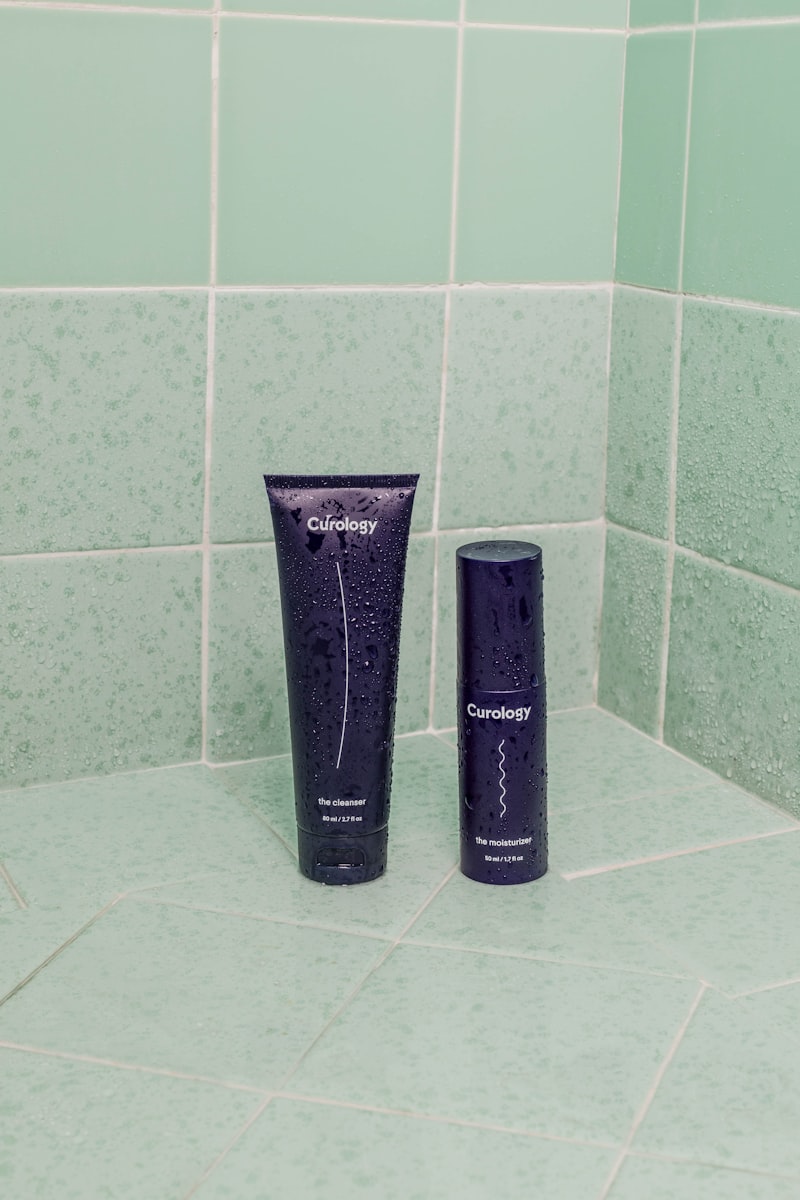
Start with a cleanser that targets the root cause. For clogged pores and blackheads, salicylic acid (BHA) penetrates oil to dissolve debris. For inflammatory red bumps and cysts, benzoyl peroxide kills the bacteria driving the flare. Panoxyl (high-strength BP) and CeraVe (salicylic or benzoyl peroxide variants) are common starting points because they combine actives with barrier-supporting ceramides. The goal isn’t to strip the skin, but to treat the acne without breaking the skin.
When topical treatments stall after 8–12 weeks, or when acne is deep and scarring, professional intervention becomes the next logical step. Laser therapy, chemical peels, or prescription retinoids work by accelerating cell turnover and reducing oil production from the inside out. These are not quick fixes; they require downtime and consistent aftercare, but they address what over-the-counter washes cannot.
Finally, lifestyle triggers often undermine even the best routines. High-glycemic diets, dairy sensitivity, and stress-induced cortisol spikes can reignite inflammation. Tracking these variables alongside your skincare routine helps isolate what actually moves the needle. If you’re unsure where to start, a dermatologist can map your specific acne type to the right treatment tier, saving months of trial and error.
Acne face wash: what to check next
Choosing the right cleanser often comes down to matching the active ingredient to your skin type and breakouts. Below are answers to the most common questions readers ask before making a purchase.
Quick checklist
-
Match the sizeMake sure the Best acne face wash option fits your household, storage space, and normal batch size.
-
Check the materialChoose a material that handles heat, washing, and regular use without becoming a chore.
-
Plan the cleanupAvoid anything that needs more maintenance than you are likely to give it.
-
Keep one fallbackHave a simple backup option for rushed days.
No comments yet. Be the first to share your thoughts!