
How to pick the right acne face wash
Choosing the best acne face wash starts with identifying the primary cause of your breakouts. Most effective cleansers rely on two distinct active ingredients: benzoyl peroxide and salicylic acid. Understanding which ingredient targets your specific skin concern is the difference between clearing your complexion and causing unnecessary irritation.
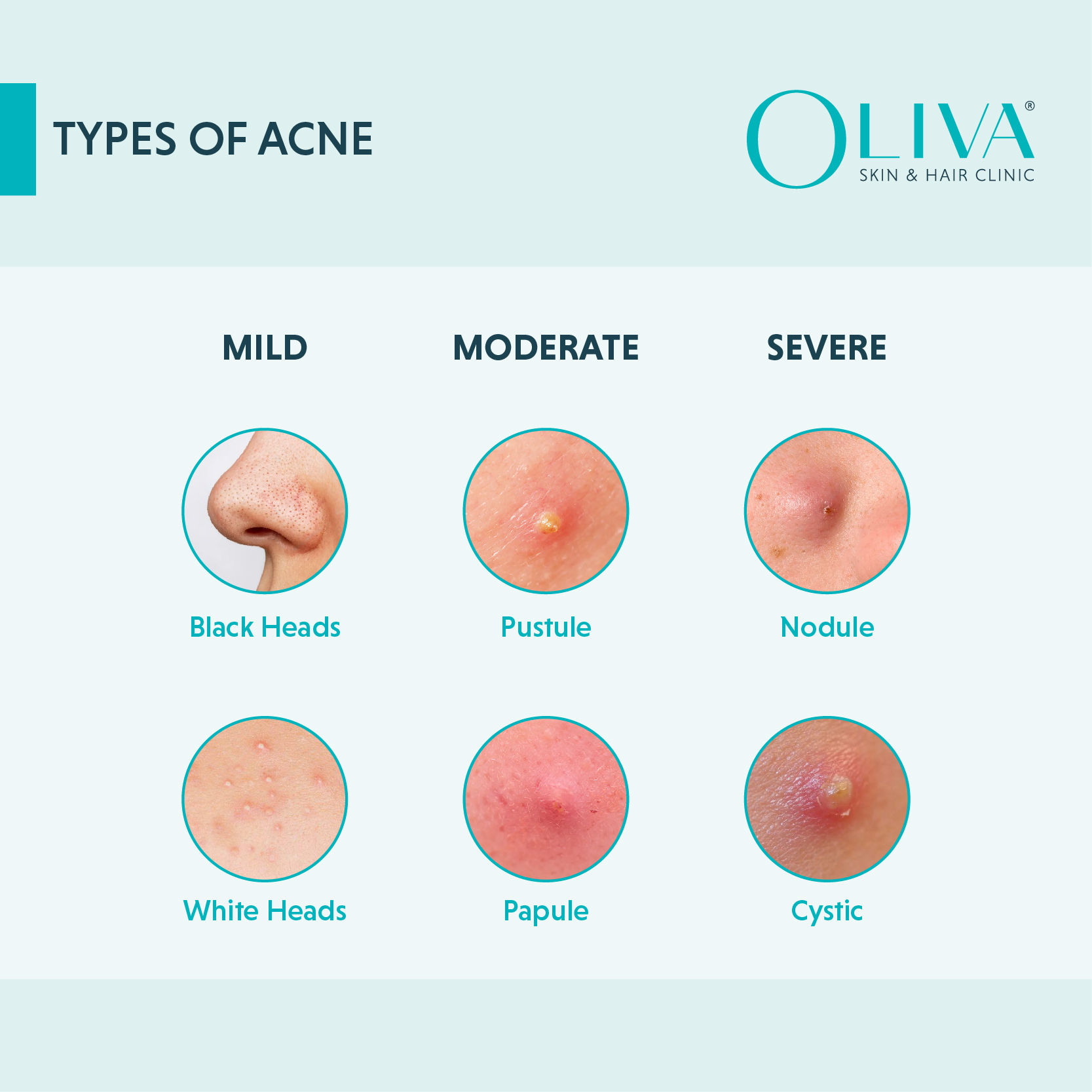
Benzoyl peroxide works by killing the bacteria that cause acne and reducing inflammation. It is generally the go-to choice for inflammatory acne, such as red, swollen pimples or cysts. Because it attacks bacteria directly, it is highly effective but can be drying or bleaching to fabrics. Salicylic acid, on the other hand, is a beta-hydroxy acid that exfoliates inside the pore. It is better suited for blackheads, whiteheads, and clogged pores because it dissolves the oil and dead skin cells blocking your pores.
Panoxyl and CeraVe represent these two approaches. Panoxyl typically features high concentrations of benzoyl peroxide, making it a powerhouse for severe, inflammatory acne. CeraVe often utilizes salicylic acid in their SA Cleanser, offering a gentler, non-drying option for maintenance and clogged pores. Your choice depends on whether your skin needs bacterial reduction or pore unclogging.
Panoxyl vs. CeraVe: Side by side
Choosing between Panoxyl and CeraVe isn’t just about price; it’s about matching the cleanser to your skin’s tolerance and acne severity. Panoxyl relies on benzoyl peroxide to kill acne-causing bacteria, while CeraVe uses ceramides and hyaluronic acid to support the skin barrier.
The table below breaks down the core differences. Panoxyl is a heavy hitter for inflammatory acne but can be drying. CeraVe is a gentle daily cleanser that prevents breakouts by maintaining skin health rather than attacking existing bacteria aggressively.
| Feature | Panoxyl 10% | CeraVe Foaming Cream Cleanser |
|---|---|---|
| Active Ingredient | 10% Benzoyl Peroxide | Ceramides, Niacinamide |
| Best For | Active, inflammatory acne | Oily to normal, sensitive skin |
| Drying Potential | High | Low |
| Price (5.5 oz) | ~$12 | ~$15 |
| Dermatologist Use | Targeted treatment | Daily maintenance |
When to use benzoyl peroxide
Panoxyl works best when your skin is fighting active, red, and inflamed breakouts. Unlike salicylic acid, which dissolves oil and unclogs pores, benzoyl peroxide (BPO) targets the bacteria that cause acne. If you are dealing with pustules or cystic acne that feels tender to the touch, BPO is the superior choice because it kills the bacteria on contact rather than just clearing the surface.
This makes it ideal for sudden flare-ups or stubborn inflammatory acne that other cleansers cannot reach. Panoxyl’s high concentration allows it to penetrate deep into the follicle, reducing the bacterial load and calming the redness associated with active breakouts.
However, this power comes with trade-offs. Benzoyl peroxide is drying and can irritate sensitive skin if used daily. It is also notorious for bleaching fabrics, so you must use white pillowcases and towels. Start by using it only a few times a week to see how your skin reacts before making it part of your daily routine.
When to use salicylic acid
Salicylic acid works best when your main concern is surface-level congestion rather than deep, inflamed cysts. Unlike benzoyl peroxide, which attacks bacteria from the inside out, salicylic acid is a beta hydroxy acid (BHA) that is oil-soluble. This chemical property allows it to penetrate through the surface oil and line the pores, dissolving the glue-like bonds between dead skin cells. This mechanism makes it the superior choice for unclogging pores and reducing the appearance of blackheads and whiteheads before they turn into red, angry pimples.
If you have sensitive skin or a compromised moisture barrier, salicylic acid offers a gentler entry point into acne treatment. While benzoyl peroxide can cause significant dryness, peeling, and redness, salicylic acid formulations—such as those found in CeraVe’s acne line—often include ceramides and niacinamide to support the skin barrier while exfoliating. This makes it a sustainable option for daily use, especially for those who find stronger treatments too harsh for their tolerance.
Use salicylic acid if your breakouts are primarily comedonal (clogged pores) or if you are new to acne-fighting ingredients. It is less effective for sudden, painful hormonal cysts that require anti-bacterial intervention, but it excels at smoothing texture and preventing the recurring clogs that lead to surface breakouts. Think of it as a maintenance tool for pore clarity rather than an emergency extinguisher for active inflammation.
Lifestyle factors that worsen acne
Topical treatments like Panoxyl or CeraVe cleanse the surface, but they cannot always counteract internal triggers. Certain habits and supplements create a biological environment where acne thrives, often overriding the benefits of even the best face washes. Addressing these lifestyle factors is essential for long-term clarity.
Creatine and hormonal spikes
Creatine is a popular supplement for muscle growth, but it can indirectly worsen acne. Research suggests that creatine may increase levels of dihydrotestosterone (DHT), a hormone linked to increased sebum production and pore clogging. For individuals already prone to breakouts, this hormonal shift can lead to more frequent or severe acne flares, regardless of how diligently they use a benzoyl peroxide cleanser.
Smoking and inflammation
Smoking restricts blood vessels, reducing oxygen and nutrient delivery to the skin. This impairs the skin's ability to heal and fight bacteria. Smokers often experience more inflammatory acne lesions that take longer to resolve. The toxins in smoke also generate free radicals, which damage skin cells and exacerbate existing inflammation, making topical treatments less effective.
Stress and cortisol
High stress levels trigger the release of cortisol, a hormone that stimulates oil glands. Excess oil mixes with dead skin cells, creating a perfect environment for acne-causing bacteria. Stress also weakens the skin barrier, making it more sensitive and reactive to active ingredients in face washes. Managing stress through sleep, exercise, or mindfulness can reduce these internal triggers and support your skincare routine.
Other tools for acne management
Your face wash is the foundation of your routine, but it isn't the whole house. For persistent breakouts, complementary tools like hydrocolloid patches and professional treatments can address issues that cleansing alone can't reach.
Acne patches
Hydrocolloid patches are small adhesive bandages designed specifically for active pimples. They work by absorbing excess fluid and oil while creating a physical barrier that prevents you from picking or popping the spot. This simple mechanism reduces inflammation and speeds up healing time.
These patches are most effective on whiteheads or surface-level blemishes. They are less useful for deep, cystic acne that sits below the skin's surface, where topical ingredients or professional intervention are needed.

Laser and light treatments
For acne that doesn't respond to over-the-counter washes like Panoxyl or CeraVe, dermatologists may recommend light-based therapies. Devices like blue light therapy target the bacteria that cause acne, while red light reduces inflammation.
These treatments are typically performed in a clinic but are also available in at-home handpieces. While they can be effective, they require consistency and often work best when combined with a solid topical routine rather than replacing it.
Your daily acne routine checklist
Building a routine around your chosen face wash is less about complexity and more about consistency. Whether you are using Panoxyl or CeraVe, the goal is to let the active ingredients work without stripping your skin barrier.
Wet your face with lukewarm water. Apply a dime-sized amount of your acne face wash and massage it into your skin for 30 to 60 seconds. This dwell time allows benzoyl peroxide or salicylic acid to penetrate pores effectively.
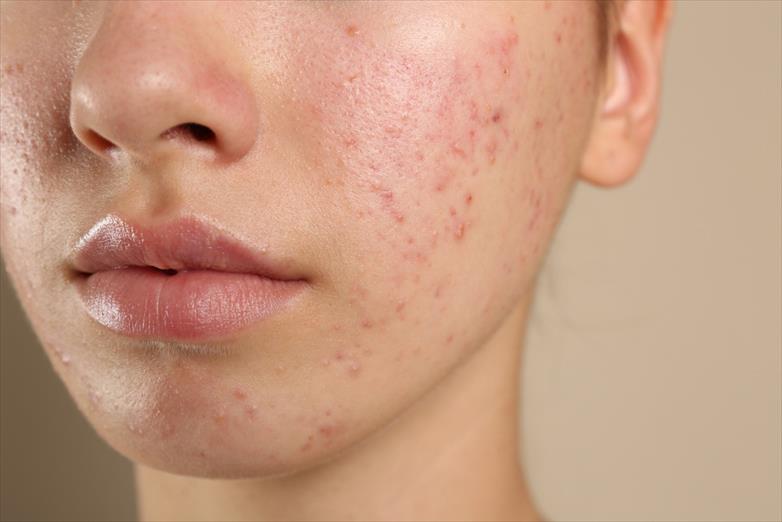
Rinse with cool water to close pores and remove all residue. Pat your face dry with a clean towel. Avoid rubbing, which can irritate inflamed breakouts and spread bacteria.
Apply a lightweight, non-comedogenic moisturizer while your skin is still slightly damp. This step locks in hydration and counteracts the drying effects of acne treatments, keeping your skin barrier intact.
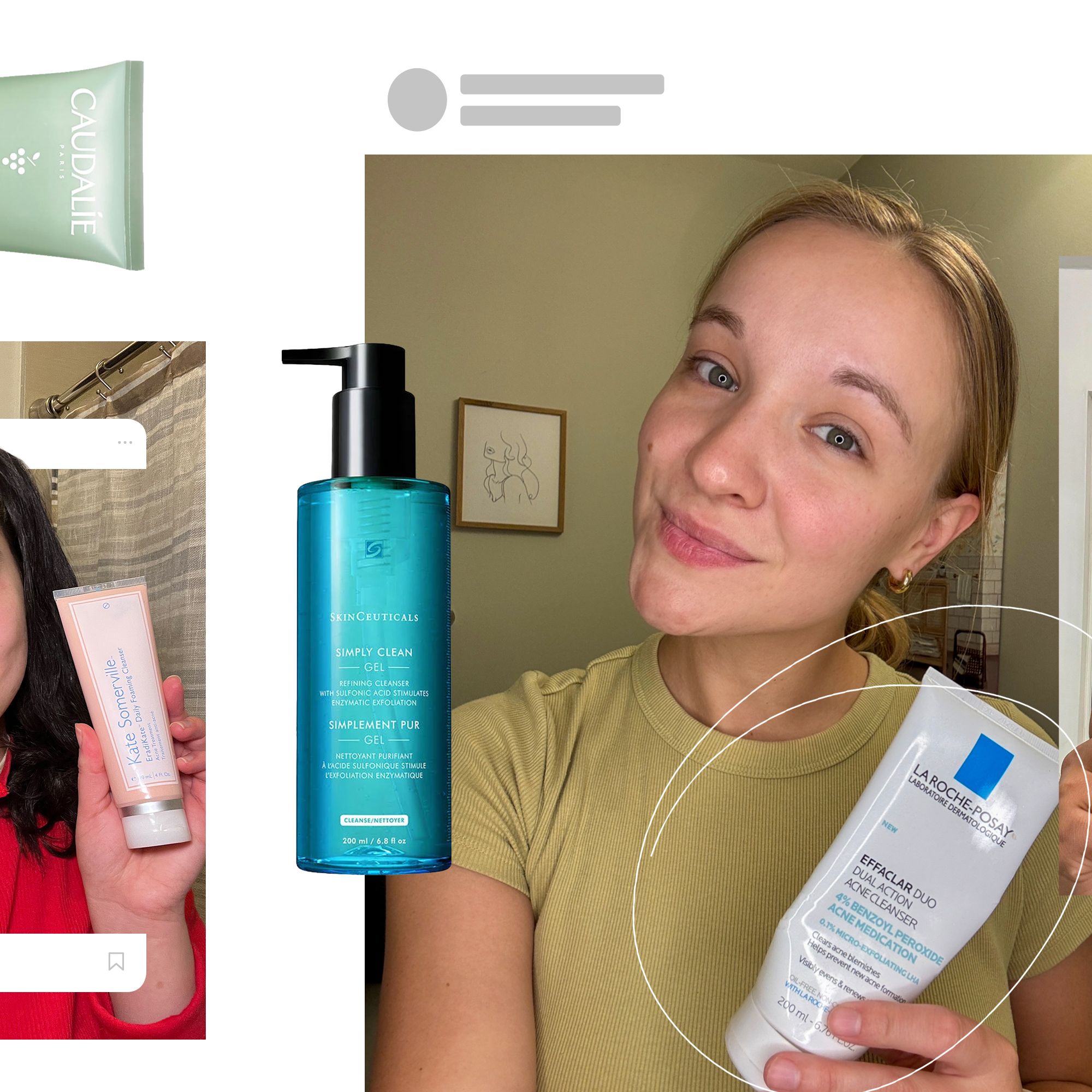
In the morning, always finish with a broad-spectrum SPF 30+ sunscreen. Acne treatments make your skin more sensitive to UV rays, and sun exposure can darken post-acne marks, making them last longer.
No comments yet. Be the first to share your thoughts!