

How lifestyle triggers acne
Acne rarely appears in a vacuum. For many, breakouts are a visible signal of internal fluctuations driven by daily habits. Understanding these triggers helps explain why a standard cleansing routine sometimes falls short, especially when lifestyle factors are at play.
Diet plays a significant role in skin clarity. Research indicates that high-glycemic foods and excessive fast food consumption can increase acne prevalence. When blood sugar spikes, it can stimulate oil production and inflammation, creating an environment where acne-causing bacteria thrive. This is why gentle but effective cleansing is crucial after meals rich in refined carbohydrates or processed foods.
Stress and sleep quality are equally influential. High stress levels trigger the release of cortisol, a hormone that can increase sebum production and worsen existing breakouts. Poor sleep disrupts the skin’s natural repair cycle, making it more vulnerable to irritation and slower to heal. Together, these factors create a cycle that requires a targeted approach to skincare.
Recognizing these connections allows you to choose products that address not just surface symptoms, but the underlying triggers. By focusing on cleansers that balance oil control with skin barrier support, you can better manage breakouts caused by lifestyle-induced changes.
Best acne face washes for oily skin
Oily skin is prone to clogged pores because excess sebum mixes with dead skin cells and lifestyle stressors like sweat or pollution. Choosing the right cleanser helps manage this shine without stripping the barrier, which can trigger even more oil production.
CeraVe Acne Foaming Cream Cleanser This cleanser combines salicylic acid to clear pores with niacinamide to calm redness. The formula includes ceramides to maintain the skin barrier, making it suitable for daily use even when stress levels are high. It removes excess oil while keeping the skin hydrated.
Neutrogena Oil-Free Acne Wash A long-standing favorite for oily, acne-prone skin, this pink grapefruit wash uses salicylic acid to unclog pores. It has a lightweight, non-greasy texture that rinses clean without leaving a tight feeling. It is effective for managing breakouts caused by hormonal fluctuations or environmental factors.
La Roche-Posay Effaclar Medicated Gel Cleanser This gel cleanser targets surface oil and bacteria with 2% salicylic acid. It is designed to be gentle enough for sensitive skin while still providing a deep clean for oily types. The formula helps prevent future breakouts by keeping pores clear of debris and excess sebum.
Key ingredient comparison
| Feature | Salicylic Acid Washes | Benzoyl Peroxide Washes |
|---|---|---|
| Best for | Oily skin, blackheads, daily use | Inflamed acne, bacterial reduction |
| Skin feel | Lightweight, non-drying | Can be drying, may bleach fabrics |
| Lifestyle fit | Good for stress/sweat triggers | Good for sudden breakouts |
Salicylic acid is a beta-hydroxy acid that penetrates oil-filled pores to dissolve debris. It is generally gentler and better for daily maintenance of oily skin. Benzoyl peroxide kills acne-causing bacteria but can be harsher, potentially causing irritation if used too frequently on already stressed skin.
Gentle cleansers for sensitive skin
Stress spikes cortisol, which can trigger breakouts even in skin that usually handles itself well. For sensitive types, the goal is to calm inflammation without stripping the moisture barrier. Harsh scrubbing or high-strength acids often make lifestyle-triggered redness worse, turning a manageable flare-up into a persistent irritation.
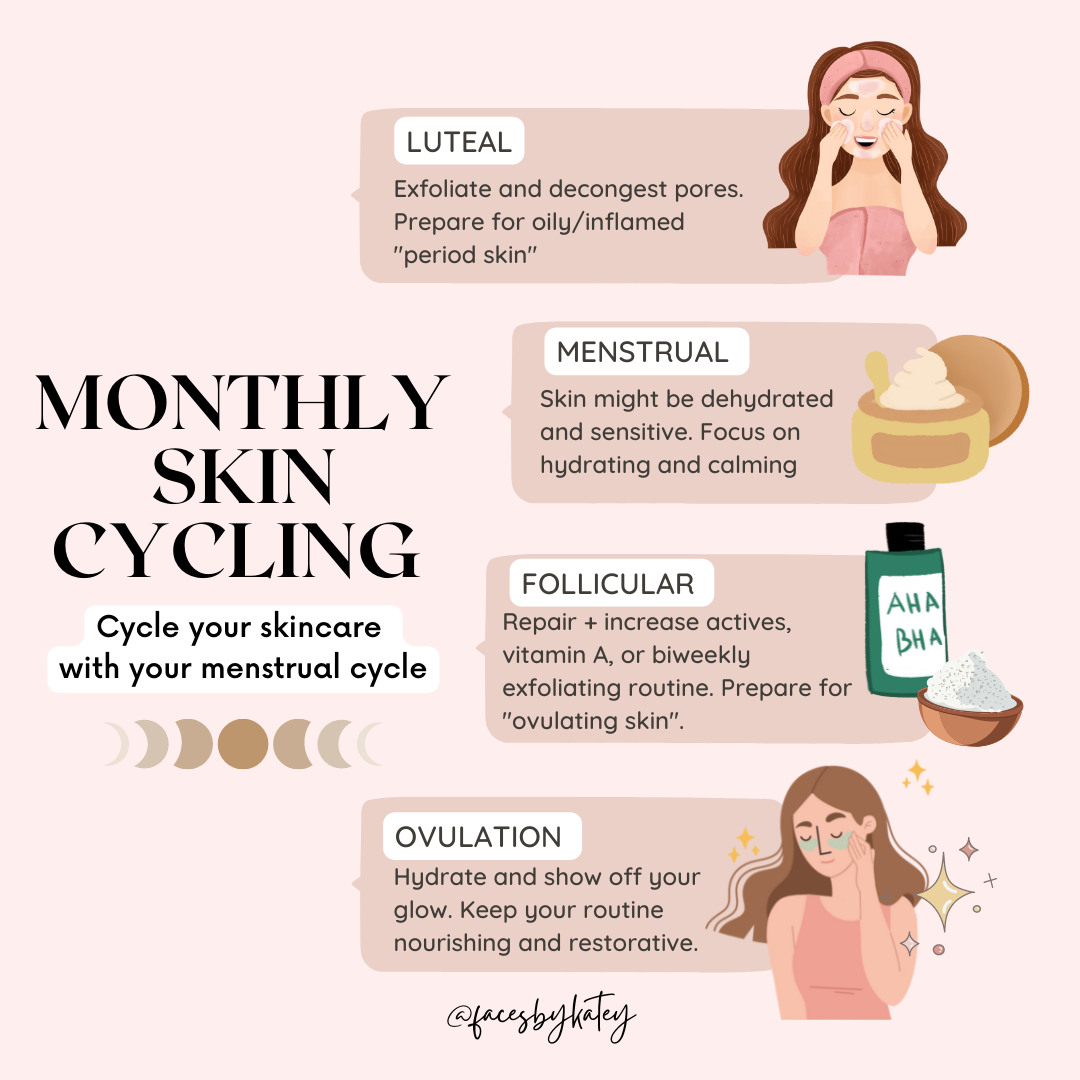
The Skin Cycle concept helps here: alternating between active treatment and pure hydration. A gentle cleanser serves as the foundation for this rhythm. It needs to remove sweat, oil, and environmental debris without leaving the skin tight or dry. Think of it as a reset button that prepares the skin to absorb moisturizers effectively, rather than a weapon against bacteria.
We recommend CeraVe Hydrating Facial Cleanser for its ceramide-rich formula. It cleanses without disrupting the skin's natural protective layer, making it ideal for days when stress levels are high and your skin feels reactive. Paired with a non-comedogenic moisturizer, it supports the skin's resilience during turbulent periods.
How to use acne face wash correctly
Using the right acne face wash is only half the battle; how you apply it determines whether it clears your skin or irritates it. Lifestyle factors like stress, humidity, and sweat create a film of oil and debris that requires a specific cleansing technique to remove effectively. Think of your face wash not as a scrub, but as a targeted treatment that needs time to work.

Start by splashing your face with lukewarm water. Hot water strips natural oils and triggers rebound oil production, while cold water doesn't effectively loosen the sebum clogging your pores. Lukewarm water opens the pores slightly, preparing the skin for the active ingredients in your cleanser.
Dispense only a pea-sized amount of your product, such as CeraVe Acne Foaming Cream Cleanser or La Roche-Posay Effaclar Medicated Gel. Using more than this doesn't increase efficacy; it only increases the risk of irritation. Lather the product between your palms before applying it to your face to ensure even distribution.
Gently massage the cleanser into your skin using circular motions for a full 60 seconds. This dwell time is critical. Active ingredients like salicylic acid need this contact time to penetrate the pore lining and dissolve the oil and dead skin cells that cause breakouts. Avoid harsh scrubbing, which can inflame existing acne.
Rinse thoroughly with lukewarm water to remove all residue. Pat your face dry with a clean towel. Rubbing can cause micro-tears and irritation. Follow immediately with a non-comedogenic moisturizer to maintain your skin barrier, ensuring your skin remains balanced and less prone to future lifestyle-triggered breakouts.
Common questions about acne cleansers
Using a benzoyl peroxide wash like PanOxyl 10% every day is standard practice for many people managing lifestyle-triggered breakouts. This concentration effectively targets surface bacteria without requiring prescription strength. If your skin feels tight or overly dry, switching to a lower percentage or alternating with a gentler cleanser like CeraVe Acne Foaming Cream Cleanser can help maintain the skin barrier while still clearing pores.
Diet plays a direct role in how your skin reacts to stress and sweat. Research indicates that frequent fast food consumption can increase acne prevalence, meaning your cleanser needs to work harder to remove excess oil and debris linked to dietary spikes. Choosing a foaming formula helps wash away these lifestyle-induced impurities more effectively than a heavy, creamy base.
Stress and poor sleep often trigger hormonal surges that increase sebum production. While no face wash can eliminate stress, using a salicylic acid cleanser like Neutrogena Oil-Free Acne Wash helps dissolve the excess oil before it clogs pores. Consistent twice-daily cleansing supports your skin’s natural cycle, even when your schedule is chaotic.
No comments yet. Be the first to share your thoughts!