

Why retinol isn't always the answer
Retinol has long been hailed as the gold standard in anti-aging and acne treatment, and for good reason. It’s been extensively researched and consistently delivers results – boosting collagen production, speeding up cell turnover, and clearing pores. However, that doesn’t mean it's the best choice for everyone. In fact, for a significant portion of the population, retinol can be a recipe for disaster.
The biggest downside? Irritation. Redness, dryness, peeling, and increased sun sensitivity are common side effects, even with low concentrations. Many people with sensitive skin simply can’t tolerate it, and even those with resilient skin may find it too harsh to use consistently. It’s not a sign of weakness to seek alternatives; it’s a sign of being attuned to your skin’s needs.
Certain individuals should actively avoid retinol altogether. Pregnant or breastfeeding women, for example, are advised against using it due to potential risks. People with compromised skin barriers – perhaps from conditions like eczema or rosacea – should also steer clear. The good news is that 2026 is bringing a wave of incredibly effective retinol alternatives to market, finally offering options for those who previously had to choose between results and comfort.
We're seeing this shift because skincare is becoming more nuanced. There's a recognition that a 'one-size-fits-all' approach simply doesn't work. More research is focusing on gentler, yet potent ingredients that deliver similar benefits without the harsh side effects. It's about working with your skin, not against it.
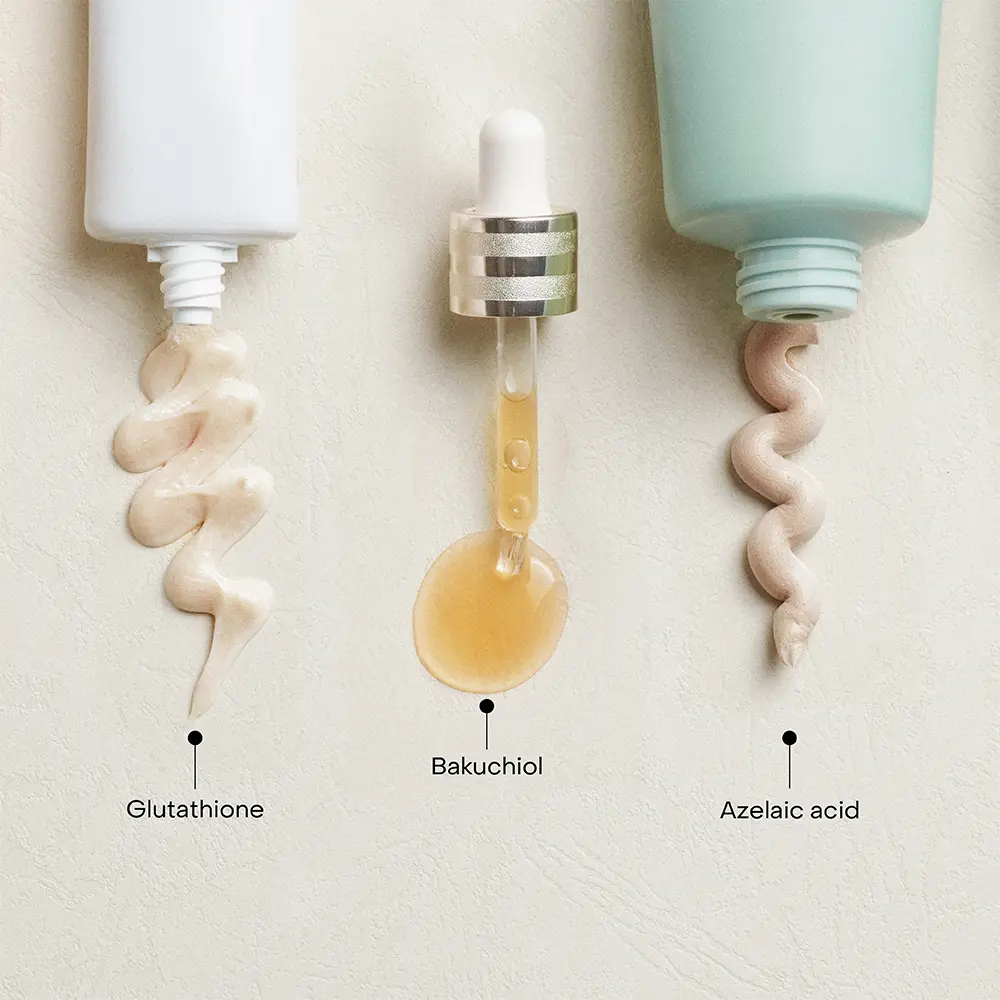
Bakuchiol: the gentle powerhouse
Enter bakuchiol, a plant-derived ingredient quickly becoming the most talked-about retinol alternative. Extracted from the seeds of the babchi plant (Psoralea corylifolia), bakuchiol has gained significant attention for its ability to mimic retinol’s benefits – boosting collagen, improving skin texture, and reducing the appearance of fine lines and acne – without the irritating side effects.
A 2018 study published in the British Journal of Dermatology demonstrated that bakuchiol was comparable to retinol in reducing wrinkles and hyperpigmentation, while exhibiting significantly less irritation. Participants experienced improvements in both skin tone and texture, with minimal redness or peeling. This is a huge win for those with sensitive skin who have previously been unable to use retinol.
Bakuchiol’s strengths are numerous. It’s suitable for all skin types, even very sensitive ones, and is considered pregnancy-safe – a major advantage over retinol. It's also a potent antioxidant, helping to protect the skin from environmental damage. However, it's important to be realistic. While research is incredibly promising, it’s still evolving. Some people may find bakuchiol isn't quite as potent as retinol for deep-set wrinkles or severe acne.
It's also worth noting that bakuchiol isn't a direct 1:1 replacement for retinol. Some users report needing to use bakuchiol consistently for a longer period to see comparable results. But for many, the trade-off – gentler treatment for slightly slower results – is well worth it.
Beyond bakuchiol: other effective alternatives
While bakuchiol is a fantastic option, it’s not the only game in town. Several other ingredients offer retinol-like benefits with a gentler touch. Granactive Retinoid, also known as hydroxypinacolone retinoate, is a newer retinoid ester that's less irritating than traditional retinol but still delivers significant results. It works by converting to retinoic acid more slowly, reducing the risk of inflammation.
Then there are peptides. These chains of amino acids act as building blocks for collagen and elastin, helping to firm and plump the skin. Matrixyl and copper peptides are particularly well-researched and effective. Unlike retinol, peptides don’t cause significant cell turnover, meaning less irritation but also potentially slower results. They’re excellent for preventative aging and maintaining skin health.
Niacinamide, a form of vitamin B3, is another powerhouse ingredient. It's a multi-tasker that reduces inflammation, minimizes pore size, improves skin barrier function, and even helps to fade hyperpigmentation. It’s generally well-tolerated, even by sensitive skin, but higher concentrations (above 10%) can sometimes cause flushing.
Azelaic acid is a naturally occurring acid with anti-inflammatory and antibacterial properties. It’s particularly effective for treating acne, rosacea, and hyperpigmentation. It can be slightly drying, so it’s best to start with a lower concentration and gradually increase as tolerated. Finally, PHA/GHA exfoliants (polyhydroxy acids and gluconolactone) offer gentle exfoliation without the irritation often associated with AHAs and BHAs. They’re a great option for sensitive skin that needs a boost of radiance.
- Granactive Retinoid: Gentler retinoid ester, good for those new to retinoids.
- Peptides (Matrixyl, Copper Peptides): Collagen-boosting, minimal irritation, best for preventative aging.
- Niacinamide: Reduces inflammation, minimizes pores, improves skin barrier.
- Azelaic Acid: Treats acne, rosacea, and hyperpigmentation; can be slightly drying.
- PHA/GHA Exfoliants: Gentle exfoliation for sensitive skin.
Gentle Acne Solutions: Top Retinol Alternatives for Sensitive Skin

Contains 10% Azelaic Acid to visibly brighten skin and reduce redness. · Includes Salicylic Acid to help unclog pores and improve skin texture. · Oil-free and fragrance-free formula suitable for sensitive skin.
This serum effectively targets blemishes and uneven tone with azelaic acid, a gentler alternative to retinol, while salicylic acid aids in pore purification.

High concentration of Niacinamide (10%) to reduce the appearance of pores and blemishes. · Zinc (1%) helps to regulate oil production and calm inflammation. · Formulated to improve skin texture and radiance.
Niacinamide and zinc work synergistically to control oil, minimize pores, and reduce inflammation, offering a potent yet gentle solution for acne-prone skin.

Combines AHAs (like lactic acid) and BHAs to exfoliate and resurface the skin. · Hyaluronic Acid provides essential hydration to prevent dryness. · Designed to improve skin texture and clarity on the body.
This body serum utilizes a blend of AHAs and BHAs to gently exfoliate and smooth skin, addressing body acne and texture without the irritation of stronger exfoliants.
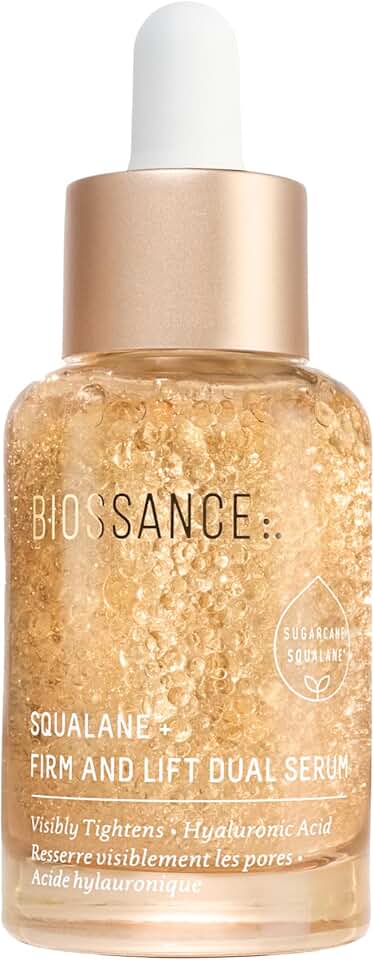
Features a dual-phase formula for lifting and hydrating. · Contains Hyaluronic Acid and Squalane for intense moisture. · Includes Ectoin and Gravetye Giant to help firm skin and reduce the appearance of wrinkles.
While focused on anti-aging, its hydrating and firming properties, powered by squalane and hyaluronic acid, can support overall skin health and resilience, indirectly benefiting sensitive skin.

Contains Bakuchiol, a plant-derived ingredient known as a natural retinol alternative. · Dual-phase formula combines botanical oils for nourishment. · Aims to reduce the appearance of fine lines and wrinkles.
Bakuchiol offers retinol-like benefits for smoothing skin and reducing fine lines without the common irritation, making it an excellent choice for sensitive skin seeking anti-aging and acne-fighting properties.
As an Amazon Associate I earn from qualifying purchases. Prices may vary.
Ingredient combinations: synergistic skincare
Skincare isn't always about finding a single miracle ingredient; sometimes, it's about how you combine them. Pairing bakuchiol with vitamin C, for example, can provide enhanced antioxidant protection, combating free radical damage and brightening the skin. Niacinamide and hyaluronic acid are a fantastic duo for hydration and redness reduction – niacinamide strengthens the skin barrier while hyaluronic acid draws in moisture.
However, there are combinations to avoid. Don't pair strong exfoliants (like AHAs/BHAs) with ingredients specifically designed for sensitive skin, like bakuchiol or PHA/GHAs. This can overwhelm the skin and cause irritation. Similarly, avoid combining multiple potent actives at the same time; introduce them gradually to assess your skin’s tolerance.
Layering products thoughtfully is key. Start with the thinnest consistency products and work your way up to the thickest. This ensures proper absorption and maximizes the benefits of each ingredient. Remember, consistency is more important than using every trendy ingredient at once.
Decoding product labels: what to look for
Navigating skincare packaging can feel like deciphering a secret code. Start by carefully reading the ingredient list. Ingredients are listed in descending order of concentration, so the first few ingredients make up the bulk of the product. Look for key ingredients like bakuchiol, niacinamide, or azelaic acid, depending on your needs.
Understanding concentration levels can be tricky, as brands aren't always transparent. When it comes to ingredients like niacinamide or azelaic acid, a concentration between 5-10% is generally considered effective. Be wary of products that contain a long list of fragrance, alcohol, or other potential irritants. These ingredients can negate the benefits of the active ingredients and exacerbate sensitivity.
Patch testing is crucial, even with gentle ingredients. Apply a small amount of the product to a discreet area of skin (like your inner forearm) and wait 24-48 hours to see if any irritation occurs. This simple step can save you from a full-blown reaction. Don't be swayed by marketing hype – focus on the ingredients and their potential benefits for your skin.
Acne and alternatives: what dermatologists say
Dermatologists are increasingly recommending retinol alternatives for their patients with sensitive skin. Dr. Anna Chacon, a board-certified dermatologist, notes, “Bakuchiol is a wonderful option for patients who experience irritation with traditional retinoids, but still want the anti-aging and acne-fighting benefits.” She adds that it’s particularly helpful for those with rosacea or eczema.
Dr. Peterson Pierre, another dermatologist, emphasizes the importance of tailoring treatment to the individual. “For comedonal acne (blackheads and whiteheads), ingredients like niacinamide and azelaic acid can be very effective. For inflammatory acne, PHA/GHA exfoliants can help to gently unclog pores and reduce redness.”
When it comes to skin tone, dermatologists advise caution with certain ingredients. Dr. Chacon warns that azelaic acid, while generally safe, can sometimes cause post-inflammatory hyperpigmentation in darker skin tones, so it’s important to use it with sun protection and consider starting with a lower concentration.
Gentle acne solutions: what's next
The future of gentle acne treatment looks promising. Emerging research is focusing on new plant-based extracts, like mushroom-derived compounds, which show potential for reducing inflammation and promoting skin healing. We’re also seeing innovation in delivery systems, such as liposomes, which encapsulate active ingredients and deliver them more effectively to the skin.
Personalized skincare is another growing trend. Companies are using AI and data analysis to create customized formulas tailored to individual skin types and concerns. This allows for a more targeted and effective approach to acne treatment, minimizing the risk of irritation. The industry is also exploring the potential of prebiotics and probiotics to support a healthy skin microbiome.
While it’s difficult to predict exactly what the future holds, one thing is clear: the demand for gentle, effective acne solutions will continue to grow. Consumers are becoming more informed and discerning, and they're seeking products that prioritize skin health and well-being.

No comments yet. Be the first to share your thoughts!