

Choosing between benzoyl peroxide and salicylic acid
Finding the right acne wash starts with understanding how active ingredients work. Panoxyl relies on benzoyl peroxide, while CeraVe Acne Foaming Cream Cleanser uses salicylic acid. These ingredients tackle breakouts through different mechanisms, making one better suited for specific skin concerns than the other.
Benzoyl peroxide is a powerful antibacterial agent. It works by releasing oxygen into the pores, which kills the bacteria that cause inflammatory acne. This makes it highly effective for red, swollen pimples. However, it can be drying and may bleach fabrics, requiring careful handling with towels and pillowcases. It is often recommended for moderate to severe inflammatory acne.
Salicylic acid is a beta-hydroxy acid that exfoliates the skin. It penetrates deep into pores to dissolve the oil and dead skin cells that clog them. This makes it ideal for blackheads, whiteheads, and mild acne. It is generally gentler than benzoyl peroxide and works well for oily or combination skin types that are prone to congestion rather than deep inflammation.

The American Academy of Dermatology notes that choosing the right treatment depends on the type of acne you experience. If your primary concern is surface-level clogging and texture, salicylic acid may be the better starting point. For persistent, inflamed breakouts, benzoyl peroxide offers a more aggressive approach to clearing bacteria.
| Feature | Panoxyl (Benzoyl Peroxide) | CeraVe (Salicylic Acid) |
|---|---|---|
| Active Ingredient | Benzoyl Peroxide | Salicylic Acid |
| Primary Action | Kills acne bacteria | Exfoliates pores |
| Best For | Inflammatory acne | Blackheads and clogged pores |
| Skin Type | Oily to very oily | Oily to combination |
| Potential Side Effects | Dryness, bleaching | Mild irritation |
Both ingredients are widely recognized for their effectiveness in acne treatment. The Cleveland Clinic suggests that consistency is key, regardless of the active ingredient chosen. Incorporating either wash into a daily routine can help manage breakouts over time, provided you monitor your skin's response and adjust usage if irritation occurs.
Panoxyl vs. CeraVe Acne Wash: Formula Breakdown
Choosing between Panoxyl and CeraVe comes down to understanding how different acne-fighting ingredients interact with your skin barrier. While both are effective cleansers, they operate on distinct chemical principles. Panoxyl relies on benzoyl peroxide to target bacteria, whereas CeraVe uses salicylic acid to unclog pores.
Acne.org notes that benzoyl peroxide is a gold-standard treatment for inflammatory acne because it kills the bacteria responsible for breakouts. However, this strength can come at the cost of dryness. CeraVe, on the other hand, formulates its salicylic acid wash with ceramides and hyaluronic acid to maintain the skin's natural barrier while exfoliating. This makes it a gentler option for those with sensitive or dry skin types who still need acne control.
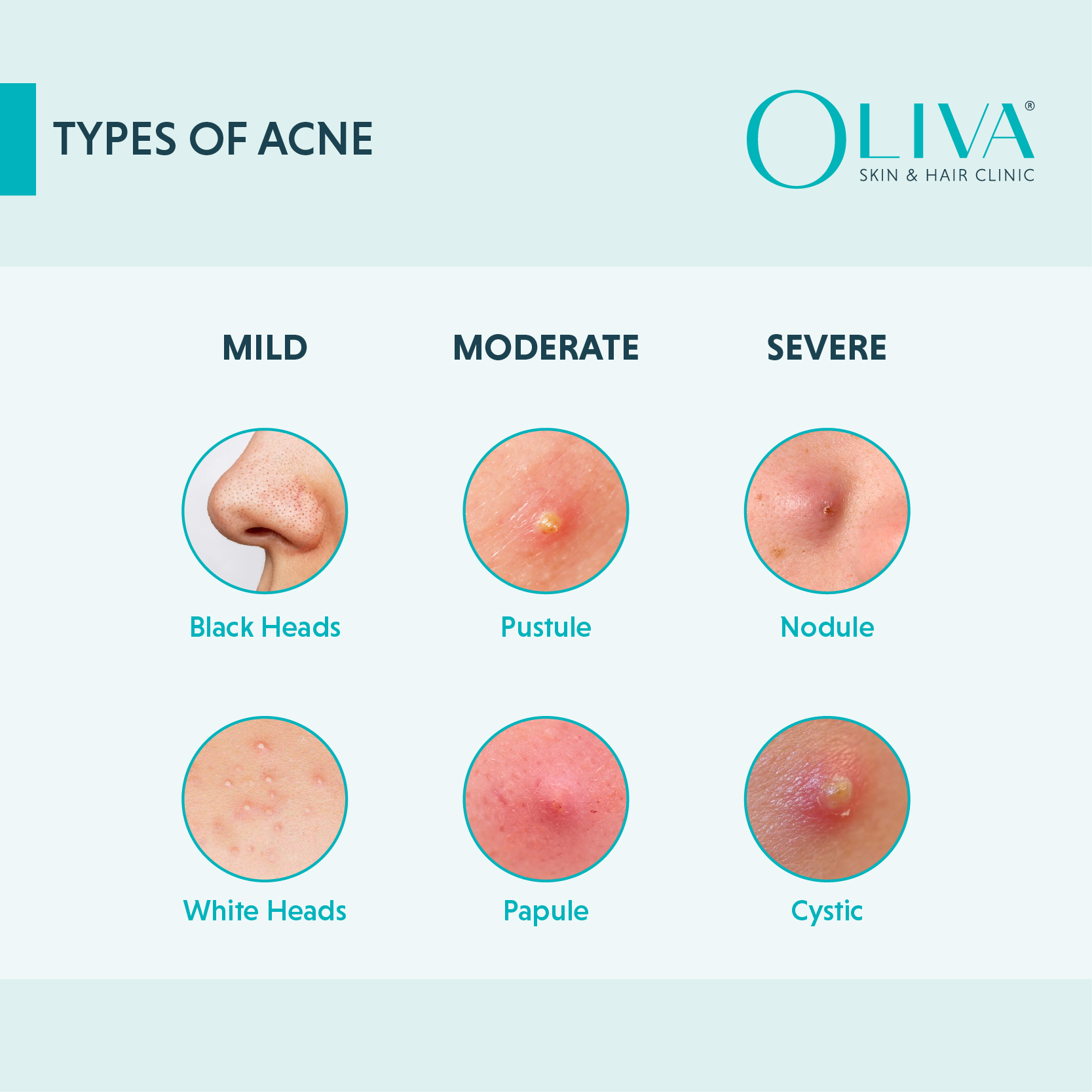
The table below outlines the primary differences in concentration, suitability, and cost to help you decide which formula aligns with your specific skin needs.
| Feature | Panoxyl | CeraVe |
|---|---|---|
| Active Ingredient | Benzoyl Peroxide (4% or 10%) | Salicylic Acid (4%) |
| Best For | Oily, acne-prone skin | Sensitive, dry, or combination skin |
| Primary Action | Kills acne-causing bacteria | Exfoliates and unclogs pores |
| Skin Barrier Support | Minimal; can be drying | High; contains ceramides |
| Price Point | Moderate | Budget-friendly |
How Lifestyle Factors Influence Breakouts
Beyond topical treatments, daily habits like supplementing with creatine or using cannabis can significantly impact acne severity. While Panoxyl and CeraVe address surface bacteria and hydration, they cannot fully counteract internal triggers that increase inflammation or alter sebum production. Understanding these lifestyle variables helps you choose the right wash for your specific skin profile.
Creatine and Skin Inflammation
Creatine is widely used to improve athletic performance, but it can indirectly worsen acne by increasing insulin-like growth factor 1 (IGF-1) levels. Higher IGF-1 stimulates the sebaceous glands to produce more oil, creating an environment where acne-causing bacteria thrive. Additionally, creatine may increase systemic inflammation, making existing breakouts redder and more painful. If you notice flare-ups shortly after starting supplementation, switching to a gentle, non-comedogenic cleanser like CeraVe can help manage the resulting excess oil without stripping the skin barrier.
Cannabis and Sebum Production
The relationship between cannabis and acne is complex, primarily driven by the endocannabinoid system’s role in regulating oil production. THC and CBD interact with cannabinoid receptors in the skin, which can sometimes lead to increased sebum output or inflammatory responses, particularly in heavy users. While topical CBD is marketed for its anti-inflammatory benefits, smoking or ingesting cannabis may trigger systemic inflammation that topical washes cannot fully resolve. For users experiencing hormonal or inflammatory breakouts, a salicylic acid-based option like Panoxyl may help clear clogged pores more effectively than a hydrating formula.
Balancing Act
These lifestyle factors do not mean you must abandon creatine or cannabis, but they do require a more strategic approach to skincare. If your breakouts are driven by internal inflammation, focusing on gentle, barrier-supporting cleansers is often more effective than aggressive drying agents. Conversely, if excess oil is the primary issue, targeted antibacterial washes can provide necessary relief. Always consult a dermatologist if lifestyle changes do not improve your skin, as persistent acne may require prescription intervention beyond over-the-counter products.
When to consider laser or patch treatments
Daily wash routines like Panoxyl and CeraVe are effective for surface-level congestion and mild breakouts, but they often fall short against persistent or cystic acne. When topical cleansers fail to penetrate deep enough or reduce inflammation, it may be time to explore procedural interventions. These treatments target the root causes of severe acne, such as bacterial overgrowth and deep-seated inflammation, rather than just cleaning the skin’s surface.
Acne patches offer a targeted, non-invasive solution for specific types of blemishes. These hydrocolloid bandages absorb fluid from whiteheads and protect the area from picking, which can reduce scarring and speed up healing. They are particularly useful for occasional, isolated pimples that do not require systemic treatment. However, they are not a substitute for a comprehensive skincare regimen and work best as an adjunct to daily care.
For more severe cases, laser therapy and light-based treatments provide a more aggressive approach. These procedures use focused light energy to destroy acne-causing bacteria and reduce oil production. According to the Mayo Clinic, prescription treatments such as oral antibiotics or retinoids are often the first line of defense for moderate to severe acne, while laser therapies may be considered for resistant cases. These treatments require professional oversight and are typically reserved for individuals who have not responded to over-the-counter options.
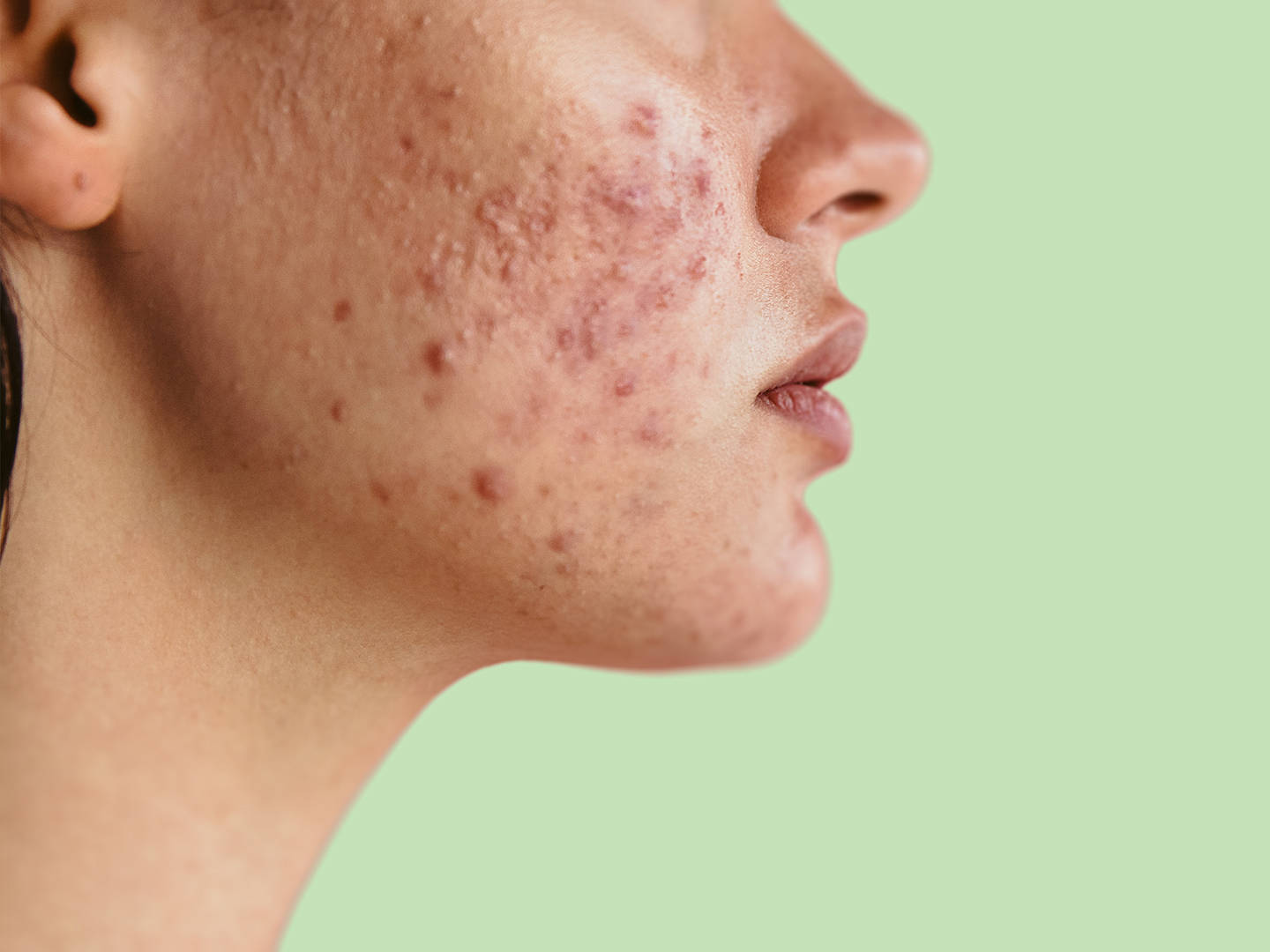
Choosing between a daily wash and procedural treatment depends on the severity and type of acne. Mild, occasional breakouts often respond well to consistent use of benzoyl peroxide or salicylic acid washes. In contrast, deep, painful cysts or widespread inflammation may require the precision of acne patches or the power of laser therapy. Consulting a dermatologist can help determine the most appropriate path for your skin’s specific needs.
Building a consistent acne routine
Integrating Panoxyl or CeraVe into your skincare regimen requires patience and precision. The goal is to treat breakouts without compromising your skin barrier. As the American Academy of Dermatology notes, most acne cases respond well to consistent, gentle care rather than aggressive scrubbing or harsh chemicals [1].
Follow this step-by-step guide to build a routine that works for your skin type.
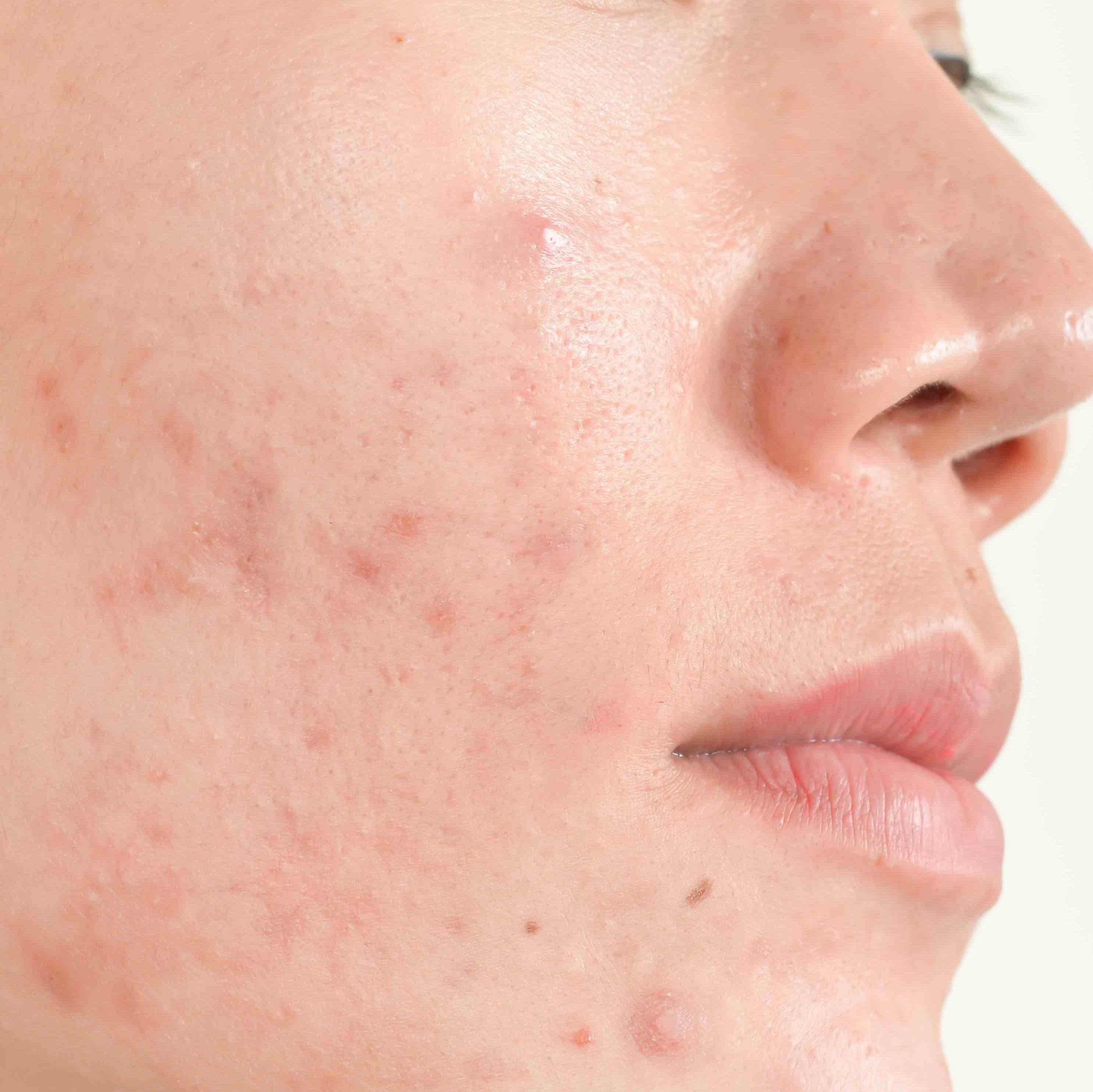
Apply your chosen acne wash only two to three times a week initially. This allows your skin to adjust to active ingredients like benzoyl peroxide or salicylic acid without excessive dryness or irritation. Gradually increase usage if your skin tolerates it well.
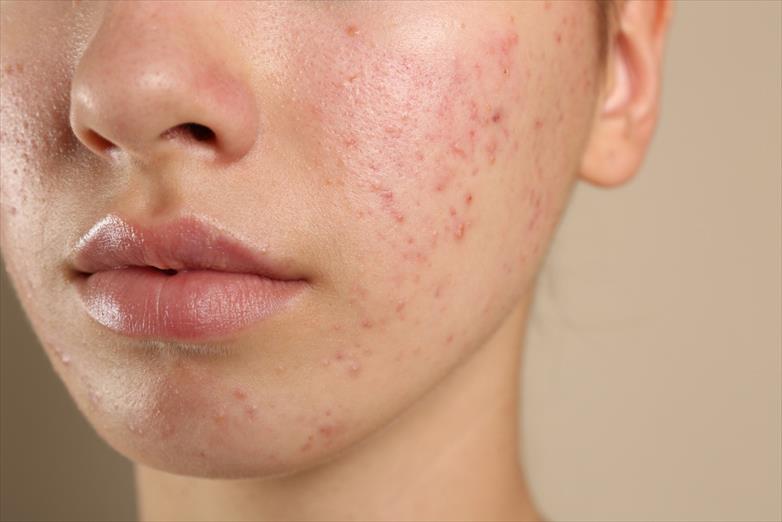
Hot water strips natural oils, worsening acne. Use lukewarm water to wet your face before applying the wash. This helps open pores slightly for better cleansing while maintaining moisture balance.
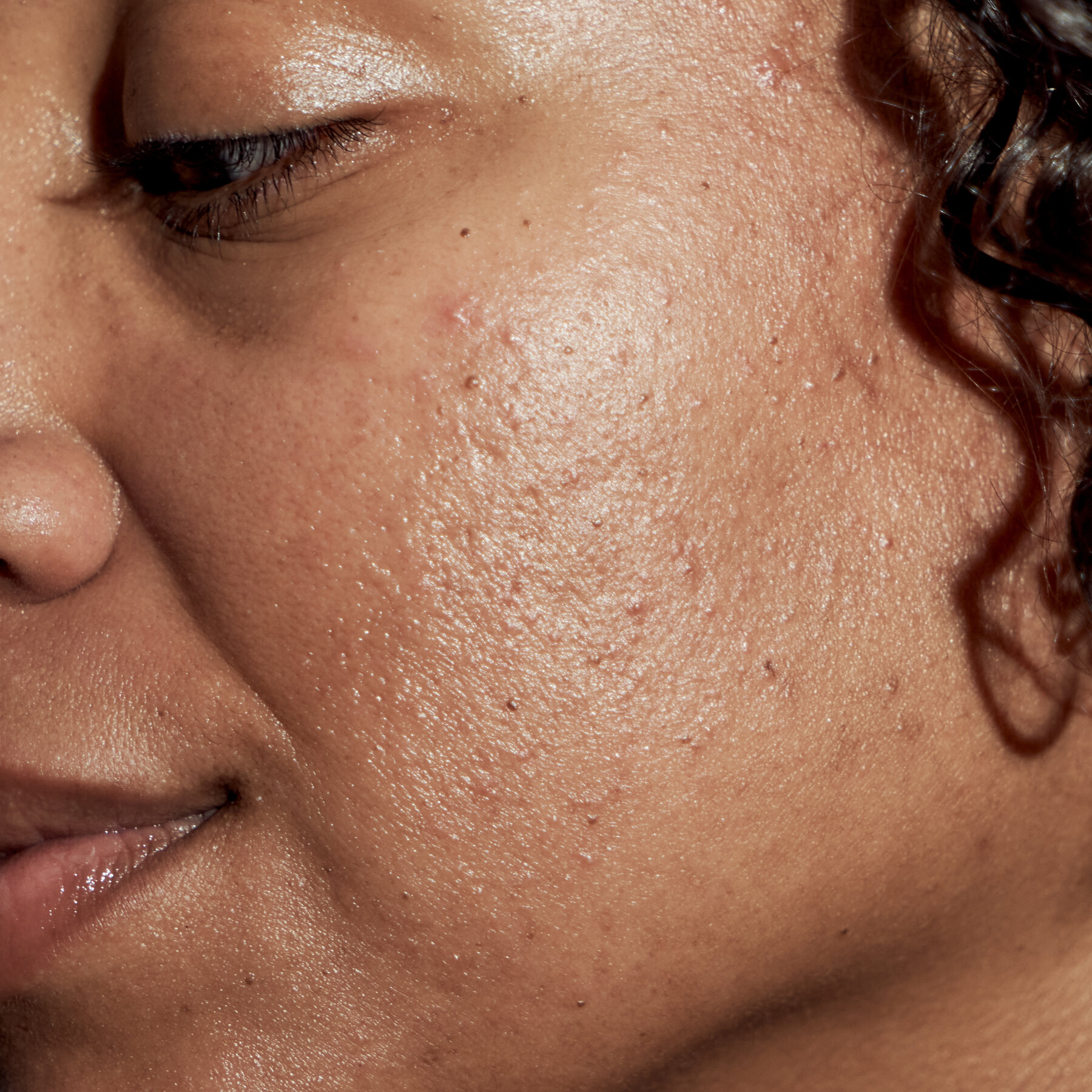
For Panoxyl, let the lather sit on your skin for 60 to 90 seconds before rinsing. This contact time allows the benzoyl peroxide to penetrate pores and kill bacteria effectively. CeraVe’s salicylic acid works instantly upon contact, so a shorter rinse is fine.
Drying out acne is a common mistake. Apply a non-comedogenic moisturizer while your skin is still damp. This locks in hydration and supports the skin barrier, reducing the risk of rebound oil production.
Acne treatments often increase sun sensitivity. Use a broad-spectrum SPF 30+ every morning, even on cloudy days. This prevents post-inflammatory hyperpigmentation and keeps your skin clear.
Consistency is more important than intensity. Stick with this routine for at least four to six weeks before judging results, as acne treatments take time to show visible improvements.
Common questions about acne washes
Using benzoyl peroxide or salicylic acid daily can help keep pores clear, but starting slowly reduces irritation. The American Academy of Dermatology recommends beginning with every other day to let your skin adjust before moving to daily use.
These washes work best when you let the product sit on your skin for 30 to 60 seconds before rinsing. This brief contact time allows the active ingredients to penetrate and break down bacteria or unclog pores without overwhelming your skin barrier.
You can generally use these cleansers with most moisturizers and sunscreens. However, avoid combining them with other strong exfoliants like retinoids or high-concentration acids in the same routine to prevent dryness and redness.
No comments yet. Be the first to share your thoughts!