

What the budget buys
The price of a blue light acne device usually signals build quality and light intensity rather than a fundamental difference in how the technology works. At the entry level, you are looking at handheld wands or small panels that fit in a palm. These units often use lower-grade LEDs and plastic housings that feel light but may lack the weight or ergonomic grip needed for steady, hands-free application.
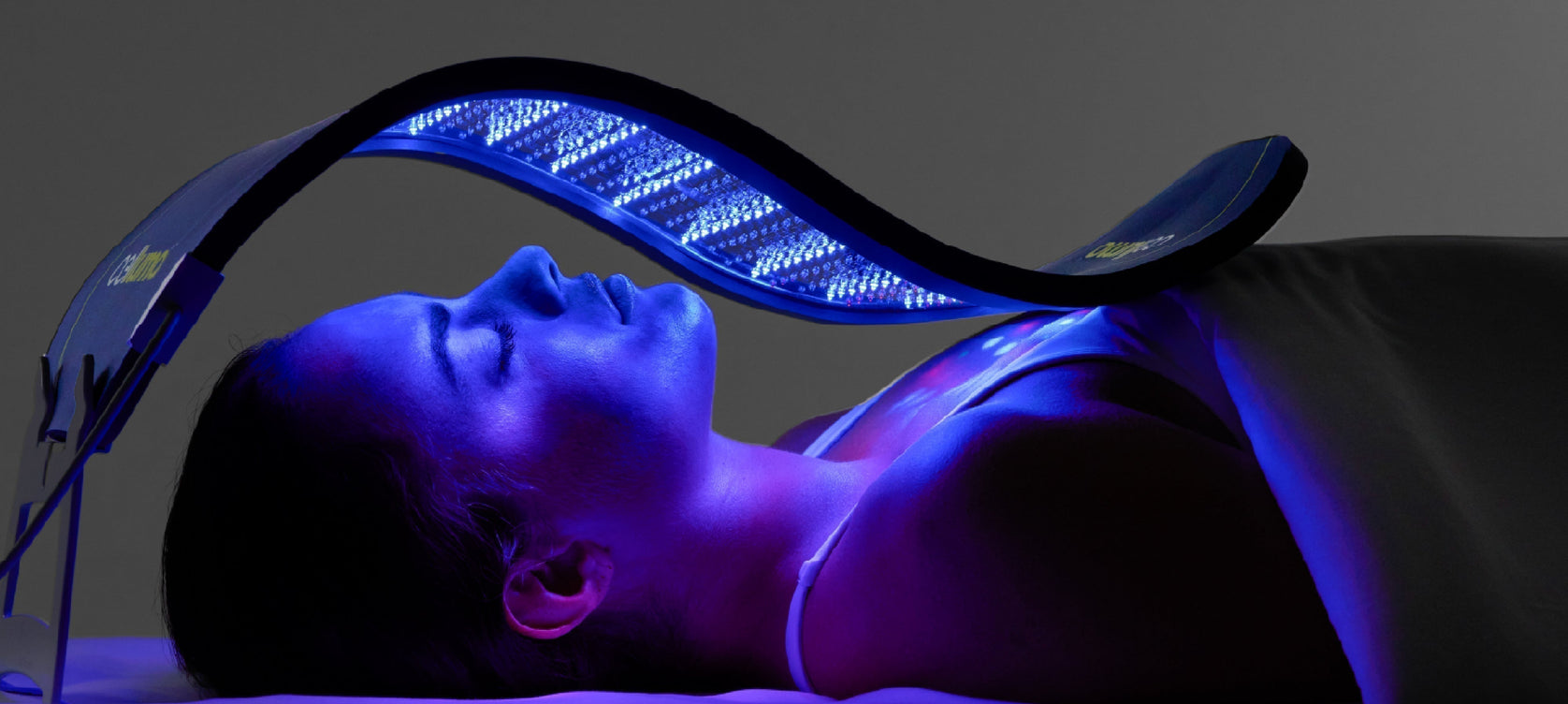
As you move into the mid-range, the tradeoff shifts toward consistency. Devices in this bracket typically offer larger treatment surfaces, allowing you to cover the entire face in fewer passes. They also tend to include better heat management and more durable power sources. A device like the Project E Beauty LED mask, for example, sits in this middle tier, offering a balance of portability and coverage without the premium price tag of clinical-grade equipment.
It is important to remember that no device at any price point will replace professional treatments for severe cystic acne. The research indicates that twice-weekly application reduces lesions, but daily use yields better results. Whether you choose a $50 wand or a $300 panel, the outcome depends more on your adherence to the schedule than the initial cost. A budget device used consistently will outperform an expensive one used sporadically.
Models worth checking first
Check Before You Buy
Blue light LED devices are simple machines, but the market is flooded with units that fail after a few months. The most expensive mistakes usually come from ignoring wavelength precision, battery degradation, or poor optical design. Use this checklist to inspect the hardware before spending $50 or more.
By focusing on these technical details, you avoid buying a device that looks good in photos but fails to deliver clinical results. Prioritize wavelength accuracy and battery reliability over cosmetic packaging.
Costs that change the math
Buying a $30 LED mask feels like a bargain until you look at the long-term math. The real cost of blue light acne treatment isn't just the sticker price; it's the maintenance required to keep the device effective. Unlike a tube of benzoyl peroxide that you use up, an LED device is a long-term asset that demands ongoing care.
The most common surprise is the cost of replacement parts. Many entry-level masks use replaceable LED bulbs or batteries that degrade over time. If your device uses AA batteries, you might spend $20 a year on disposables. If it has a sealed lithium-ion battery, that battery will eventually hold less charge, potentially ending the device's life before the LEDs fail. A $150 mask with a replaceable battery is often cheaper over five years than a $50 mask with a non-replaceable one.
You also need to account for the time cost. Clinical studies show that blue light therapy works best when applied consistently, often twice daily or several times a week [src-2]. If a device is bulky or requires a complex setup, you're less likely to use it. An ineffective device is the most expensive option of all, because you're paying for a tool that sits in a drawer while your acne persists. Choose a device that fits your routine, not just your budget.
Common questions about blue light acne treatment
Blue light therapy targets Cutibacterium acnes (formerly Propionibacterium acnes) using a specific 465 nm wavelength to reduce the bacteria responsible for breakouts. While it is effective for mild-to-moderate inflammatory acne, it does not address comedones like blackheads or deep cystic acne. For those conditions, red light or other treatments may be more appropriate.
Most clinical studies, including research from Mass General Brigham, indicate that consistent daily or twice-weekly use yields the best results. Devices typically require 10 to 20 minutes per session. You may notice a reduction in redness and lesion count within four to eight weeks, though individual results vary based on skin type and acne severity.
Blue light is generally safe for all skin tones because it does not produce melanin-stimulating heat like ultraviolet (UV) rays. Unlike UV light, blue LED therapy does not damage DNA or increase sun sensitivity. However, you should always wear the protective eyewear provided with your device, as the bright light can be uncomfortable for your eyes during treatment.
You can combine blue light with other topical acne treatments, but timing matters. Apply blue light first to clean, dry skin, then follow with your serums or moisturizers. Some users pair blue light with red light devices, as red light helps reduce the inflammation and redness left behind by active breakouts.
No comments yet. Be the first to share your thoughts!