
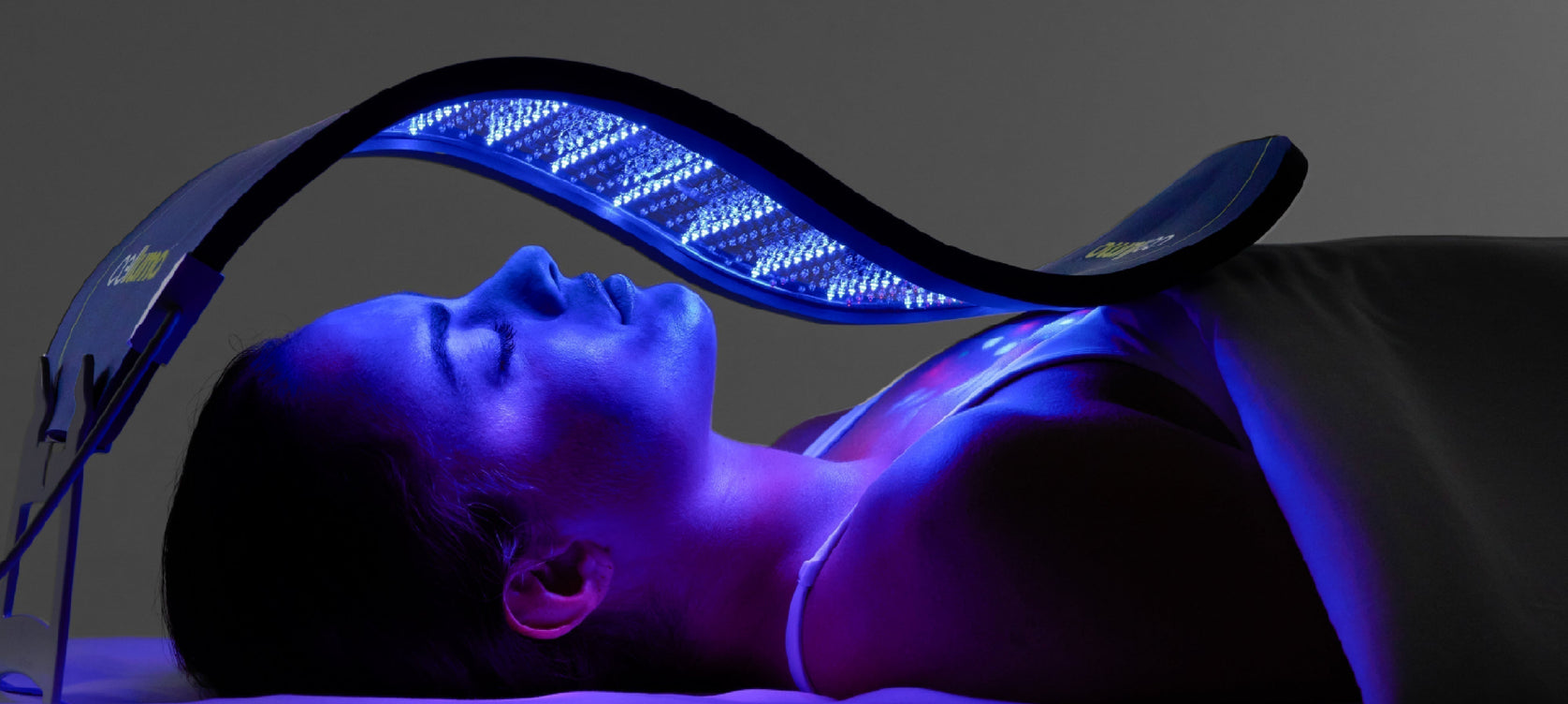

What the budget buys
The price of a blue light acne device usually signals build quality and treatment area, not a fundamental difference in how the light works. Red light (633nm) and blue light (415nm) both target acne-causing bacteria, but the delivery mechanism varies. Lower-cost units often use small, handheld wands that require you to hold the device against each breakout for several minutes. This manual approach is time-consuming and can lead to inconsistent coverage, especially on larger areas like the forehead or back.
Mid-range devices ($50–$100) typically offer full-face masks or panels. These allow for hands-free treatment, which encourages consistent twice-weekly or daily use as recommended in clinical studies. The LED arrays in these units are more evenly spaced, reducing the risk of "hot spots" where light intensity is too high. While the light spectrum itself is similar across price points, the consistency of application in a mask format often yields better adherence to the treatment protocol.
Premium models ($150+) rarely offer a different blue light wavelength. Instead, they integrate red light therapy, which targets inflammation and healing beneath the skin. If you are dealing with active, inflamed breakouts, blue light alone may suffice. However, for acne that leaves red marks or requires deeper tissue repair, the combination of blue and red light in a higher-priced unit addresses both the bacteria and the aftermath. For those on a tight budget, a reliable blue-light wand used consistently is more effective than an expensive, unused mask.
Models worth checking first
When shopping for blue light acne treatment, the market is saturated with devices that promise clear skin. The science behind these tools is straightforward: blue light at approximately 465 nm targets Propionibacterium acnes, the bacteria responsible for inflammatory breakouts. According to research from Mass General Brigham, at-home LED devices are effective for mild-to-moderate acne, provided they deliver consistent exposure.
However, not all devices are built equally. The most effective models prioritize wavelength accuracy and treatment surface area over flashy aesthetics. Below, we compare the strongest options currently available, focusing on practical specs like treatment time, light intensity, and ease of use.
| Model | Wavelength | Session Time | Coverage Area | Best For |
|---|---|---|---|---|
| CurrentBody Skin LED Mask | 465 nm | 10 minutes | Full face | FDA-cleared dual light |
| Dr. Dennis Gross DRx SpectraLite FaceWare Pro | 465 nm | 3 minutes | Full face | Fastest session time |
| Omnilux Controlla | 465 nm | 10 minutes | Full face | Clinically proven efficacy |
| Neutrogena LightAcne Blue Light Therapy | 465 nm | 10 minutes | Spot treatment | Affordable entry point |
The CurrentBody Skin LED Mask stands out for its dual-light technology. While it includes blue light for active breakouts, it also features red light to support collagen production and healing. This makes it a versatile choice for those dealing with both acne and early signs of aging. The 10-minute session is standard, but the full-face coverage ensures no spot is missed.
For those short on time, the Dr. Dennis Gross DRx SpectraLite offers a significantly shorter 3-minute session. This efficiency is due to its high-intensity LEDs, which deliver a concentrated dose of blue light. It is ideal for users who want a quick routine addition without sacrificing efficacy. However, the lack of red light means it focuses solely on bacterial reduction and inflammation control.
The Omnilux Controlla is often recommended by dermatologists for its clinical backing. It uses the same 465 nm wavelength proven in clinical studies to reduce acne lesions. Its 10-minute session aligns with standard protocols, and the mask’s flexible design ensures good contact with the skin, which is critical for light penetration.
Finally, the Neutrogena LightAcne device is a spot-treatment tool rather than a full-face mask. This makes it a practical option for those with occasional breakouts or those on a budget. While it lacks the convenience of a hands-free mask, its focused approach can be more efficient for treating isolated pimples without exposing the entire face to light.
Check before you buy
Blue light acne treatment devices look deceptively simple, but the difference between a gadget that clears breakouts and one that sits in a drawer comes down to a few technical specs. Before you commit to a purchase, inspect the device’s core components. These are the expensive failure points that determine whether the light actually penetrates the skin or just wastes energy.
A quick inspection of these four areas will save you from buying a device that looks promising but fails to deliver results. Prioritize transparency in specifications over flashy marketing claims.
Costs that change the math
The sticker price is only the first expense. Blue light acne treatment devices are electronics with a finite lifespan, and their true cost is defined by what you spend to keep them working. Unlike a tube of cream that disappears, an LED mask is a tool that requires maintenance and eventual replacement.
Bulb degradation is the silent cost. Most at-home blue light devices use LEDs that lose intensity over time. While they rarely burn out completely, the therapeutic output drops. If you buy a $50 device, you might get six months of visible results before the light becomes too weak to kill acne-causing bacteria effectively. A $200 device often uses higher-grade diodes that maintain output longer, stretching the cost per treatment month.
Then there are the consumables. Some systems require replacement gel pads or specialized eye shields that wear out with friction. Others need specific cleaning solutions to prevent bacterial buildup on the light surface. If a device requires a $20 monthly supply of gel, it costs more in a year than many entry-level masks. Always check the manufacturer’s recommended upkeep before assuming the initial price is the total price.
When a cheap buy stops being cheap is usually when the battery fails. Lithium-ion batteries in handheld wands or masks degrade after 300-500 charge cycles. If you use the device daily, that’s one to two years. Replacing a battery is rarely an option for sealed consumer electronics, meaning the whole unit becomes e-waste. This makes the initial build quality and battery capacity a more important metric than the upfront discount.
Common questions
Blue light therapy uses specific wavelengths (typically 405 to 470 nm) to target the porphyrins produced by acne-causing bacteria on the skin’s surface. This process creates a reaction that kills the bacteria without using ultraviolet (UV) light, making it a safe option for home use. Clinical studies show that consistent application can significantly reduce lesion counts in mild-to-moderate acne cases.
For best results, aim to use your device twice weekly or daily, depending on the manufacturer’s guidelines. Consistency matters more than intensity; skipping sessions slows progress. Most users notice visible improvements within four to six weeks of regular use. Pairing the treatment with a gentle cleanser helps maximize the light’s reach.
While generally safe, blue light can cause temporary dryness or mild redness in sensitive skin. Always start with shorter sessions to assess tolerance. Avoid using blue light if you are taking photosensitizing medications, as it may increase sun sensitivity. Consult a dermatologist if you have a history of light sensitivity or rosacea before beginning treatment.
No comments yet. Be the first to share your thoughts!