
Blue Light: What It Is & How It Works
Blue light therapy for acne has been used by dermatologists for years. It uses a specific wavelength of visible light, typically between 405 and 420 nanometers, to target acne-causing bacteria. This is different from the damaging UV light from the sun or the blue light from phone screens.
The main culprit in many types of acne is Cutibacterium acnes (formerly Propionibacterium acnes). Blue light works by exciting porphyrins produced by these bacteria, creating oxygen toxic to P. acnes and killing them. Blue light also has anti-inflammatory properties that can reduce acne-related redness and swelling.
Traditionally, blue light therapy was administered in dermatologist offices with larger, more powerful devices. These treatments were more concentrated and delivered faster results. Now, technology has advanced, offering a growing range of at-home devices.
At-Home Devices: A 2026 Landscape
The market for at-home blue light therapy devices has grown significantly. Options range from around $30 to over $300. Common device types include LED masks, handheld wands, and larger panels, each with pros and cons.
LED masks cover the entire face, offering convenience and even coverage, but may have lower power output, requiring more frequent or longer treatments. Handheld wands target individual blemishes but need more effort. Larger panels treat bigger areas like the back or chest but are less common for home use and typically more expensive.
When evaluating a device, look beyond price. Ensure wavelength accuracy (405-420nm). Build quality matters; cheaper devices may use lower-quality LEDs that degrade quickly. Power output (irradiance) is important but not always listed. Consistent use over several weeks is needed to see improvements.
Combination devices incorporating both blue and red light therapy are becoming more common. Red light helps reduce inflammation and promote collagen production, complementing blue light's acne-fighting effects. These devices offer a comprehensive approach to skincare.
- LED masks: Convenient, even coverage, but potentially lower power output.
- Handheld Wands: Targeted treatment, requires more effort.
- Panels: Larger area coverage, generally more expensive.
Top 7 Devices for 2026
Choosing the 'best' device depends on individual needs and budget. Based on user reviews, expert opinions, and specifications, here are seven devices that stand out. This list includes a range of options.
1. Omnilux Flex: ($249) This flexible LED mask offers both blue and red light therapy. It’s comfortable to wear and delivers consistent results. Users report noticeable improvements in acne and skin texture. It is a bit pricey, but the flexibility is a major plus.
2. HigherDOSE RED Light Face Mask: ($295) While marketed heavily for anti-aging, this mask also includes a blue light setting. It's a versatile option if you're looking for a multi-purpose device. It’s comfortable and well-designed, though the blue light intensity might not be as strong as dedicated acne devices.
3. LightStim for Acne: ($169) A handheld wand that delivers a concentrated dose of blue light. It’s easy to use and portable, making it great for travel. Some users find the treatment area a bit small, requiring more time to treat the entire face.
4. Neutrogena Light Therapy Acne Mask: ($35) A more affordable option, this mask provides consistent blue light therapy at a reasonable price. It's a good starting point for those new to blue light treatment, but may not be as powerful as more expensive devices.
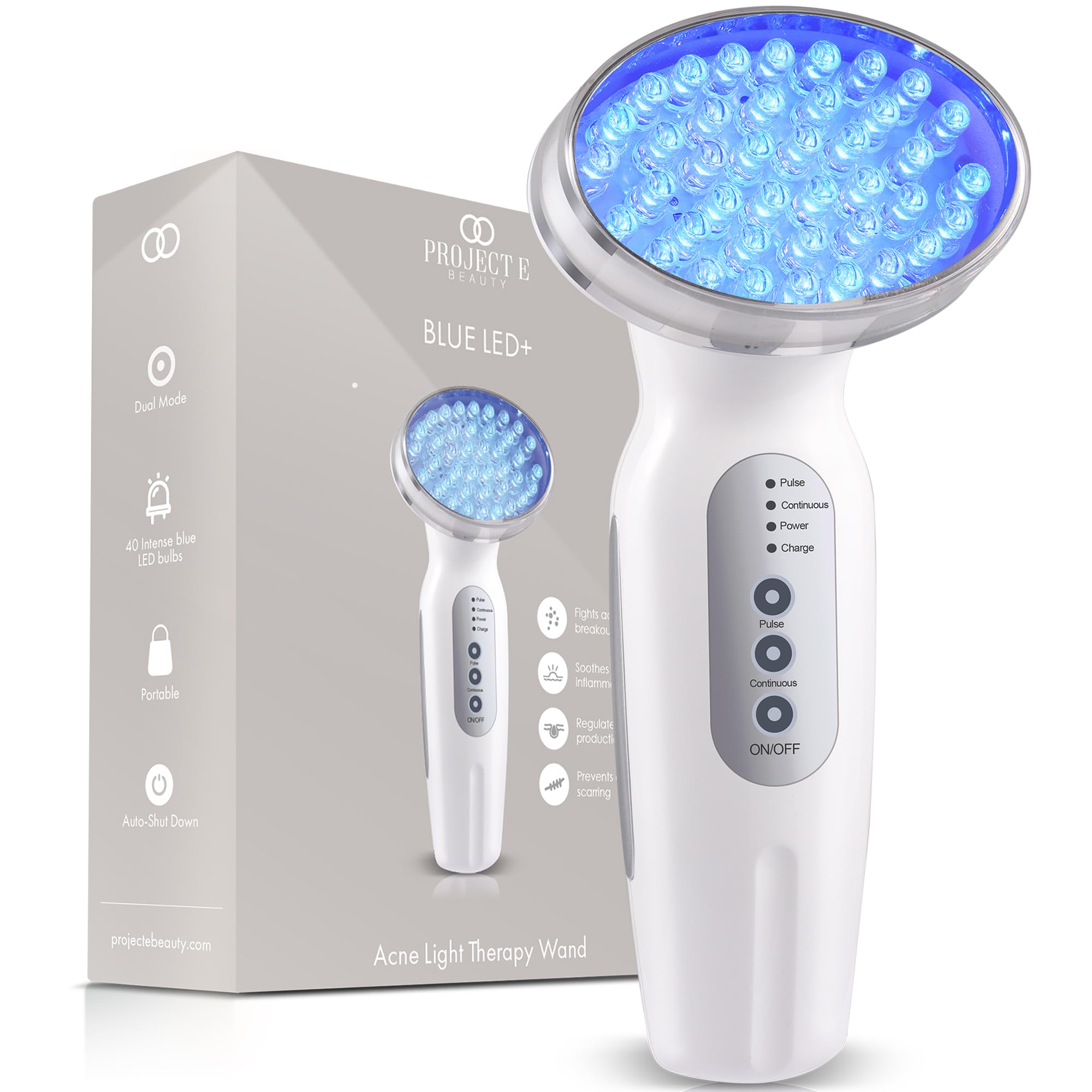
5. Project E Beauty LED Acne Light Therapy Mask: ($120) This mask offers three light settings: blue, red, and a combination. It’s a versatile option with a good price point. Some users have reported issues with the mask's durability.
6. Dr. Dennis Gross DRx SpectraLite FaceWare Pro: ($435) A high-end mask with both blue and red light settings. It’s known for its professional-grade quality and effective results. It’s a significant investment, but may be worth it for those seeking serious treatment.
7. Solawave 4-in-1 Radiant Renewal Skincare Wand: ($169) This wand combines microcurrent, red light, and blue light therapy. It’s a multi-functional device that can address a variety of skin concerns. It’s a good option for those looking for a comprehensive skincare solution.
At-Home Blue Light Therapy Devices: A Comparison
| Device Name | Type | Price Range | Key Features | Best For |
|---|---|---|---|---|
| Omnilux Clear | Mask | Around $199 - $249 | Flexible silicone mask, 15-minute treatments, reusable | Mild to moderate inflammatory acne, all skin types |
| HigherDOSE Red Light Face Mask | Mask | Around $195 - $295 | Combines blue, red, and near-infrared light, adjustable straps, rechargeable | Inflammatory acne, redness, and overall skin health |
| MZ Skin Light-Therapy Golden Facial Treatment Device | Device/Wand | Around $385 - $450 | Offers blue, red, and yellow light therapy modes, portable, rechargeable | Targeted treatment of individual blemishes, moderate acne |
| Project E Beauty Blue Light Therapy Device | Wand | Around $60 - $90 | Compact wand design, focused blue light, battery-operated | Spot treatment of individual pimples, mild acne |
| Tria Blue Light Acne Treatment | Wand | Around $250 - $300 | FDA-cleared, focused blue light, designed for targeted treatment | Mild to moderate acne, particularly inflamed lesions |
| SolaWave 4-in-1 Radiant Renewal Skincare Wand | Wand | Around $149 - $199 | Combines blue light with microcurrent and thermotherapy, rechargeable | Mild acne, skin tightening, and overall radiance |
| Dr. Dennis Gross DRx SpectraLite FaceWare Pro | Mask | Around $435 - $495 | Full-face mask, 3 LED light modes (red, blue, amber), clinically proven | Moderate to severe acne, uneven skin tone, and aging concerns |
Illustrative comparison based on the article research brief. Verify current pricing, limits, and product details in the official docs before relying on it.
Clinical Evidence: What Does the Research Say?
Research on blue light therapy for acne is promising but not conclusive. Studies show blue light can effectively reduce P. acnes bacteria on the skin. A 2016 study in the Journal of the American Academy of Dermatology found blue light therapy significantly reduced inflammatory acne lesions.
Many studies are small and have limitations. Some used high-intensity devices not available for home use. The long-term effects are still unknown. Individual responses vary, with some seeing dramatic improvements and others experiencing minimal results.
Blue light therapy is most effective for mild to moderate inflammatory acne (red, swollen pimples) and less effective for non-inflammatory acne like blackheads and whiteheads. Blue light therapy is not a cure for acne but a treatment to manage symptoms. It's often most effective when combined with other acne treatments.
Maximizing Results: Usage Tips & Tricks
Consistency is key for blue light therapy. Results take time; most devices recommend daily or several-times-per-week treatments for four to six weeks. Follow manufacturer instructions for treatment duration and skin distance. Overexposure can lead to irritation.
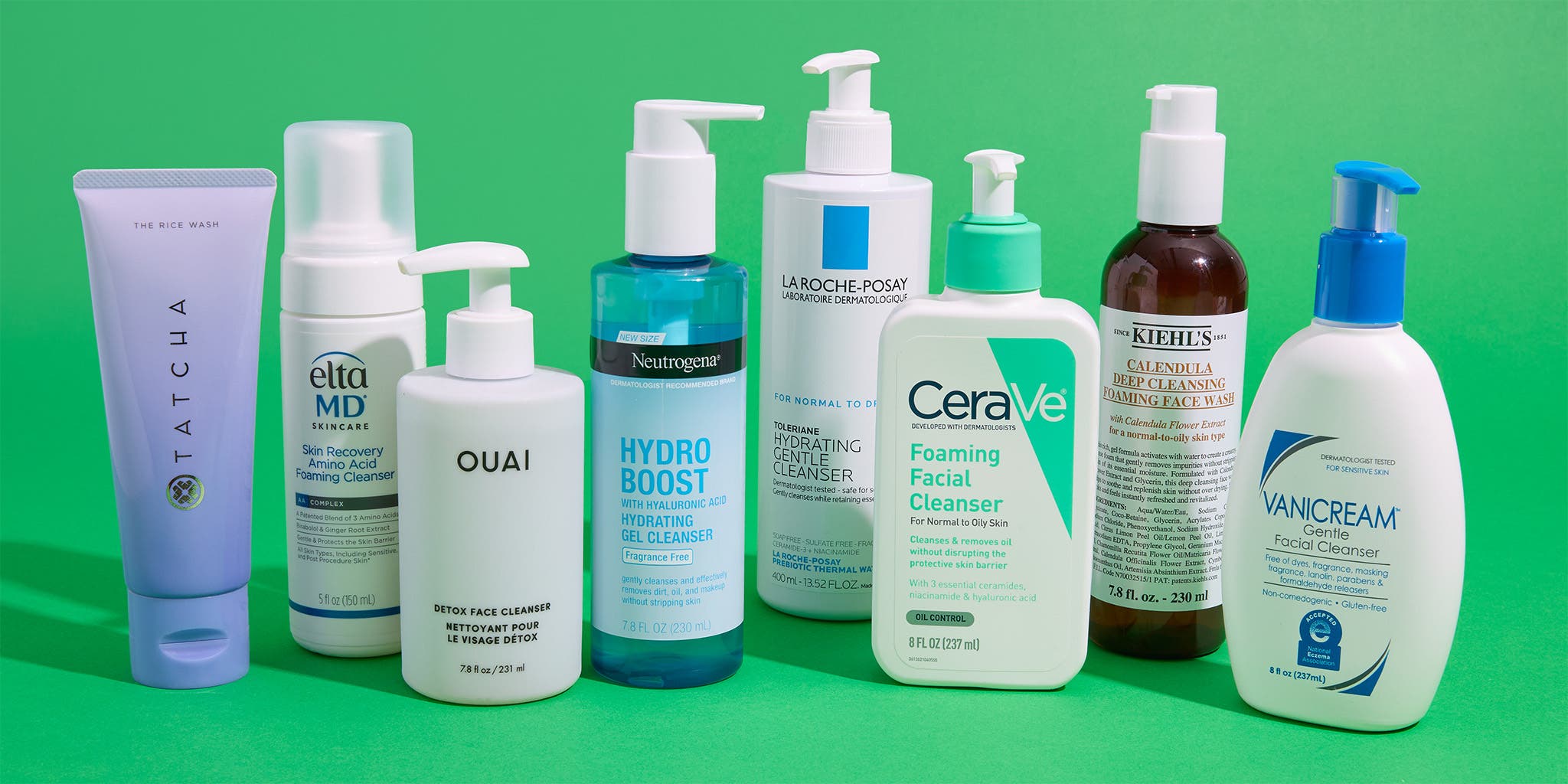
Before treatment, cleanse skin thoroughly to remove makeup, dirt, and oil for better blue light penetration. After treatment, apply a gentle moisturizer to soothe and hydrate. Some people experience mild redness or dryness, so keep skin hydrated. Avoid harsh skincare products or exfoliants immediately before or after treatment.
Here’s a simple step-by-step guide:
1. Cleanse your face with a gentle cleanser.
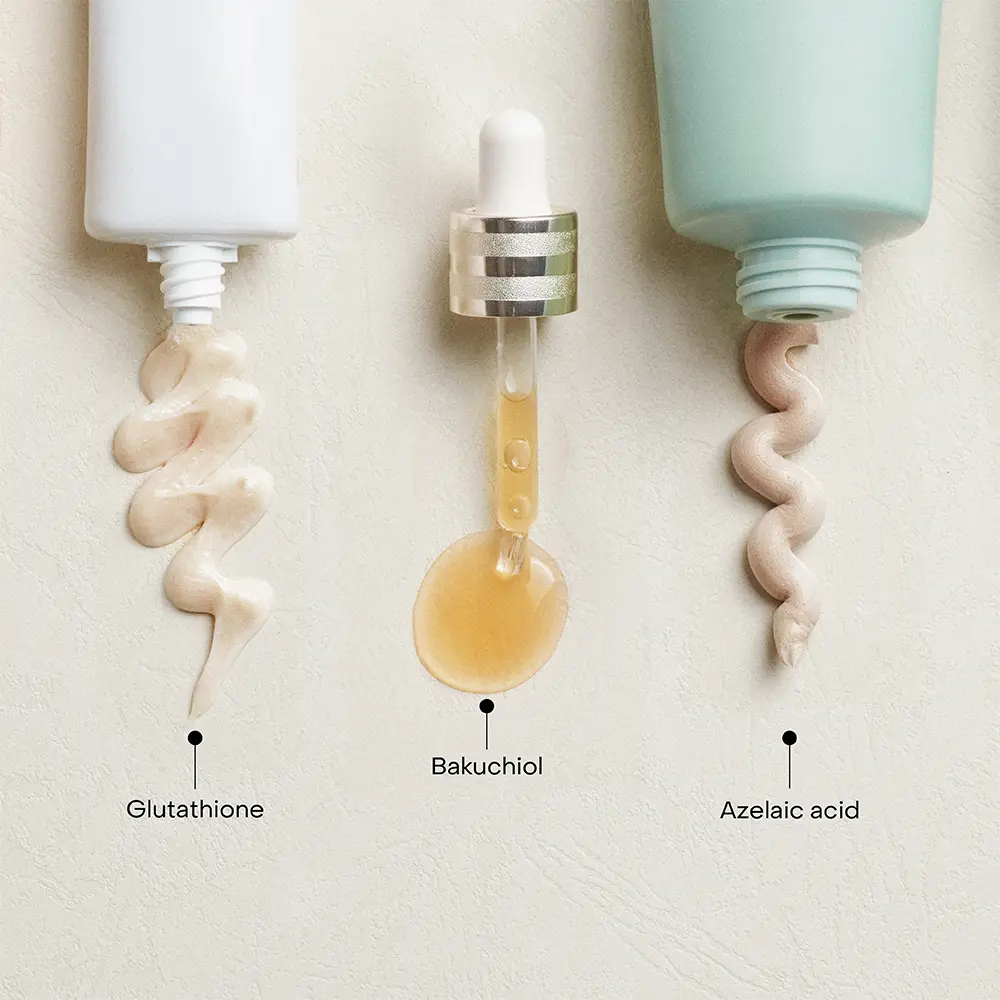
2. Apply any serums or treatments (avoid retinoids immediately before/after).
3. Use your blue light device according to the manufacturer’s instructions.
4. Apply a moisturizer.
Potential Side Effects & Precautions
Blue light therapy is generally safe, but can cause mild redness, dryness, and peeling. These side effects are usually temporary. Protect your eyes: never look directly into the blue light source, as this can cause damage. Always use protective eyewear provided with the device.
Certain individuals should avoid using blue light therapy devices. People with photosensitivity, certain skin conditions (like eczema or psoriasis), or medications that increase sun sensitivity should consult a dermatologist before use. Pregnant women should also avoid these devices, as effects on fetal development are unknown.
Beyond Blue: Combining Therapies
Blue light therapy works best as part of a comprehensive skincare routine, rarely as a standalone solution. Enhance its effects by combining it with other acne treatments. For example, using a benzoyl peroxide wash in the morning and blue light therapy at night can be effective. Be cautious combining it with retinoids, as this can increase irritation risk.
Red light therapy can be a synergistic addition, helping reduce inflammation and promote healing, complementing blue light's antibacterial effects. A holistic approach including a healthy diet, regular exercise, and stress management also contributes to clearer skin.

No comments yet. Be the first to share your thoughts!