
The state of acne washes in 2026
Acne treatments in 2026 are split between the heavy hitters we've used for decades and new AI-driven startups. While PanOxyl and CeraVe still dominate drugstore shelves, personalized formulas are finally becoming accessible. The goal is still clear skin, but the methods are getting more specific to individual microbiomes.
For a long time, the choice was simple: harsh treatments or gentle cleansers. Now, the lines are blurring. AI-formulated cleansers promise to bridge that gap, offering targeted solutions based on individual skin analysis. These aren’t just marketing buzzwords; companies are collecting data on skin types, acne triggers, and even genetic predispositions to create truly customized formulas. It’s a move away from the "one size fits all" approach that dominated for so long.
However, the core needs haven’t changed. Many people still struggle with inflammation, clogged pores, and bacterial overgrowth, and that’s where the tried-and-true ingredients like benzoyl peroxide and salicylic acid come in. The question in 2026 isn’t necessarily which cleanser is best, but rather which cleanser is best for you, and how it fits into a comprehensive skincare routine. The market is more crowded, more complex, and ultimately, more hopeful for people seeking effective acne solutions.
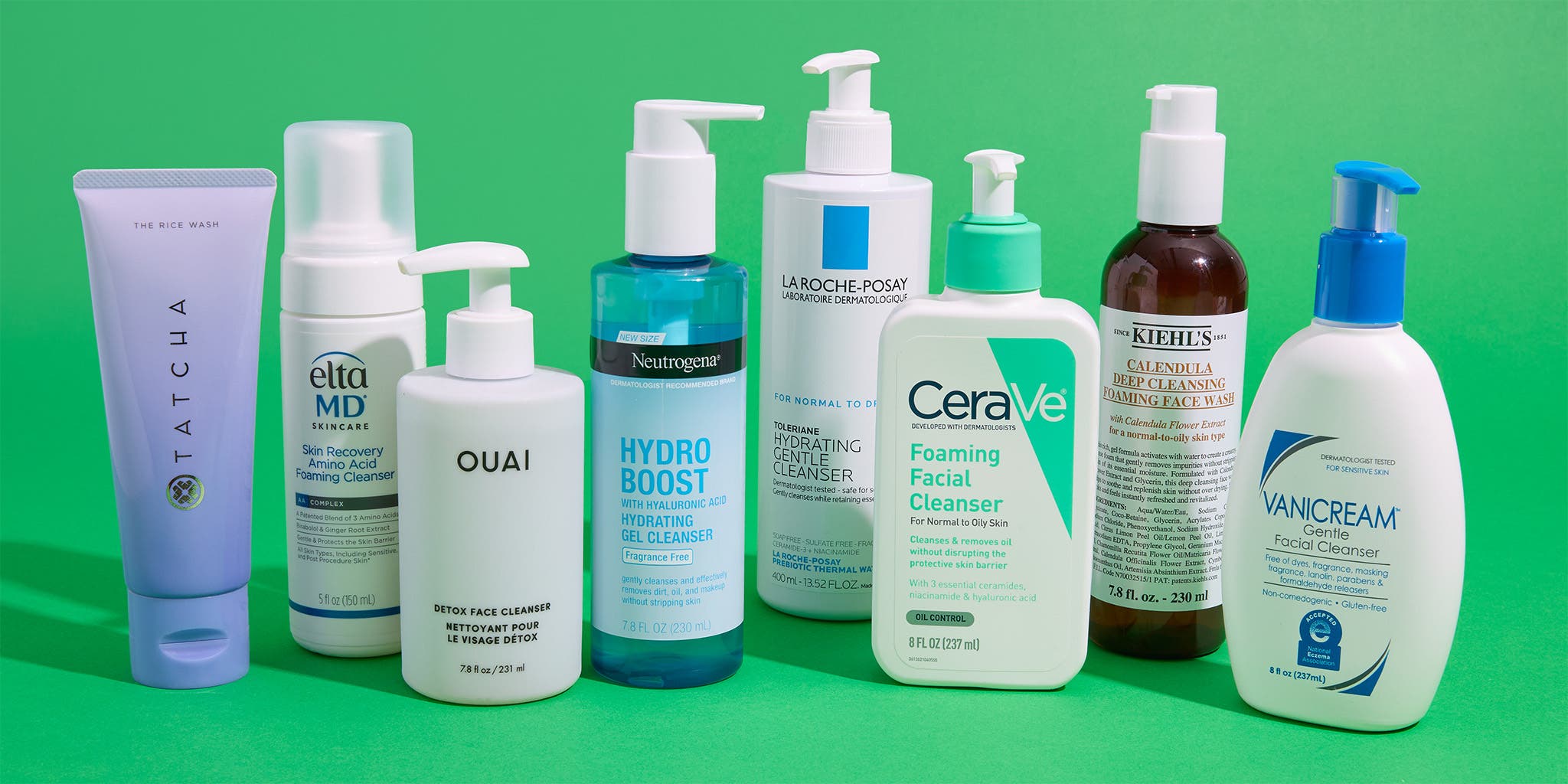
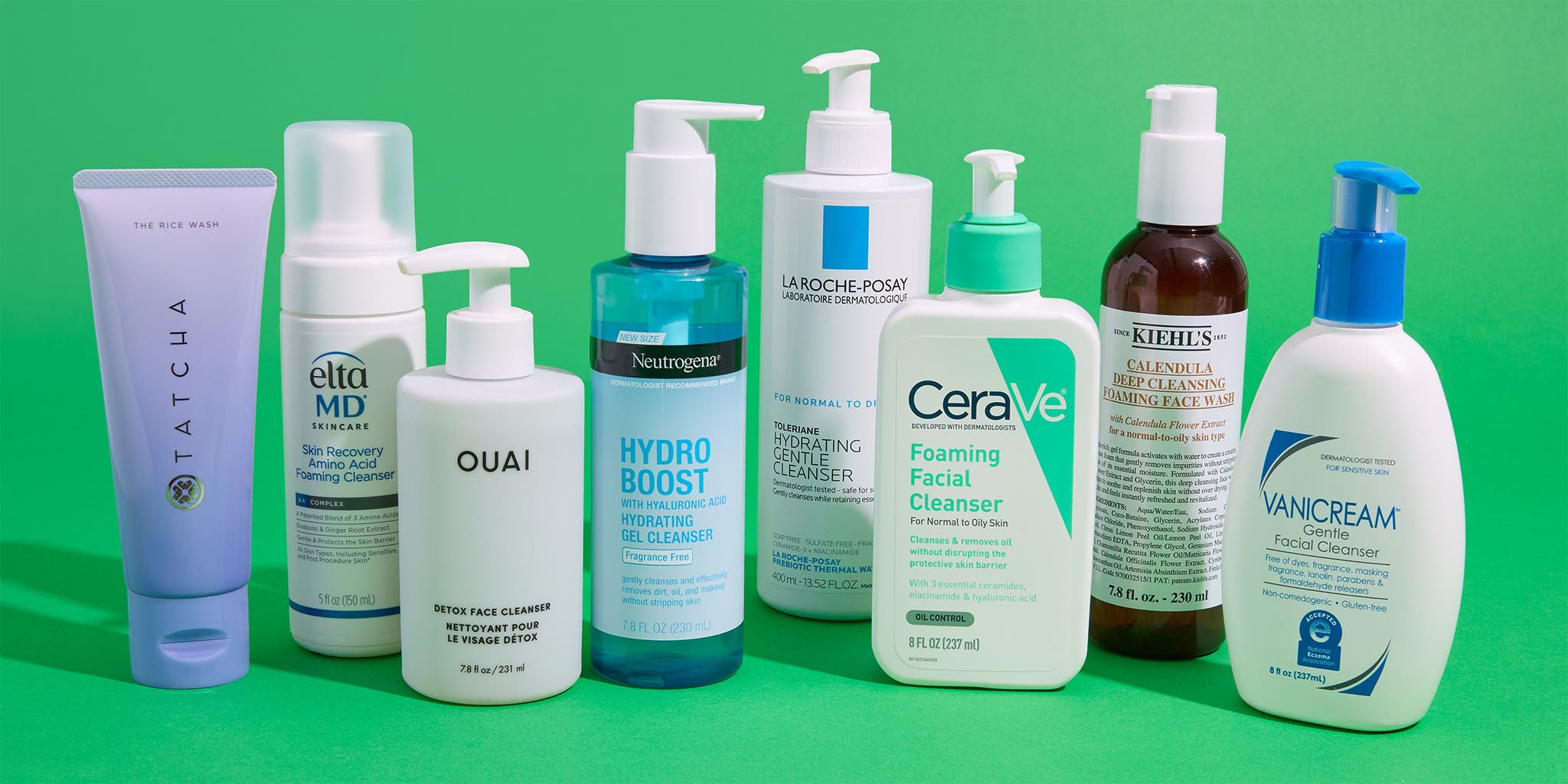
Wirecutter’s 2026 review of facial cleansers still points to CeraVe Foaming Facial Cleanser as a top pick for oily and acne-prone skin, demonstrating the continued relevance of established brands. But the emergence of AI is undeniably shaking things up, offering a glimpse into a future where skincare is as unique as our fingerprints.
PanOxyl is still the best for heavy breakouts
PanOxyl remains a powerhouse in the acne treatment world, largely thanks to its benzoyl peroxide (BPO) formulations. In 2026, you can find PanOxyl Acne Foaming Wash in concentrations ranging from 4% to 10% BPO. The 4% wash is generally recommended for milder breakouts and sensitive skin, while the 10% is reserved for more stubborn, inflammatory acne. It’s a strong option, but not without potential downsides.
BPO works by killing Cutibacterium acnes (formerly Propionibacterium acnes), the bacteria implicated in acne development. It also helps to unclog pores by reducing dead skin cell buildup. However, it’s known for being incredibly drying and irritating, especially at higher concentrations. This is a common complaint I see across skincare forums and Reddit – people love the results, but struggle with the side effects.
PanOxyl offers both a foaming wash and a cream wash. The foaming wash is better suited for oily skin, as it provides a deeper cleanse and helps to remove excess sebum. The cream wash is a gentler option for those with drier or more sensitive skin. It’s important to start with a lower concentration and gradually increase it if needed, always monitoring your skin for signs of irritation like redness, peeling, or burning.
User experiences are mixed. Many report significant improvements in their acne within a few weeks of consistent use, but others experience significant dryness and irritation. A common tip I’ve seen shared online is to "sandwich" the PanOxyl wash between two layers of moisturizer – applying moisturizer before and after cleansing to help mitigate the drying effects. It's a powerful tool, but requires careful application and a commitment to hydration.
Benzoyl peroxide bleaches fabrics. If you use PanOxyl, stick to white towels and pillowcases unless you want orange spots on everything. Even with the mess and the dryness, it is still the most reliable way to kill acne bacteria without a prescription.
CeraVe’s Gentle Power: A Dermatologist Staple
CeraVe takes a different approach to acne treatment, focusing on supporting the skin barrier rather than aggressively targeting bacteria. Their Foaming Facial Cleanser, consistently recommended by dermatologists, stands out for its gentle yet effective formula. It’s a stark contrast to PanOxyl’s more potent approach. The key difference lies in CeraVe's inclusion of ceramides and hyaluronic acid.
Ceramides are lipids that help to restore and maintain the skin's natural barrier, while hyaluronic acid is a humectant that draws moisture into the skin. This combination helps to prevent dryness and irritation, making CeraVe a good option for people with sensitive skin or those who find BPO too harsh. It's a gentle cleanser that doesn't strip the skin of its natural oils.
However, a common criticism of CeraVe is that it might not be strong enough for severe acne. While it can effectively manage mild to moderate breakouts, it may not be sufficient for those with cystic acne or widespread inflammation. It’s often used as part of a broader routine, alongside other acne treatments.
In 2026, CeraVe has expanded its acne-focused line to include products like the Acne Control Gel, which contains salicylic acid and AHA to help exfoliate and unclog pores, and the Renewing SA Cleanser, which offers a more intensive exfoliating experience. They’ve also introduced a CeraVe Acne Control line that includes a moisturizer and a spot treatment, providing a more comprehensive system.
CeraVe’s strength is its inclusivity. It’s generally well-tolerated by most skin types, including those prone to sensitivity and eczema. It's a reliable option for maintaining clear skin and preventing future breakouts, but it might need to be combined with other treatments for more stubborn cases. It's the foundation for many skincare routines, offering a gentle and supportive base.
- CeraVe Foaming Facial Cleanser is a basic, non-stripping wash for oily skin.
- CeraVe Acne Control Gel: Contains salicylic acid for exfoliation
- CeraVe Renewing SA Cleanser: More intensive exfoliation
- CeraVe Acne Control Moisturizer: Helps to hydrate and soothe acne-prone skin
Featured Products

Contains 4% Benzoyl Peroxide to effectively treat acne · Formulated with Hyaluronic Acid, Niacinamide, and Ceramides to hydrate and support the skin barrier · Gentle enough for daily use as an acne treatment
This CeraVe cleanser is a powerful option for those seeking a benzoyl peroxide-based treatment to combat acne while maintaining skin hydration and barrier support.

Features 2% Salicylic Acid to help clear and prevent acne · Includes Niacinamide and Ceramides to soothe and repair the skin barrier · Contains oil-absorbing clay for a matte finish
This CeraVe cleanser offers a dual-action approach with salicylic acid and clay to tackle acne and control oil, making it a strong contender for oily and acne-prone skin.
Features 2% Salicylic Acid to help clear and prevent acne · Includes Niacinamide and Ceramides to soothe and repair the skin barrier · Contains oil-absorbing clay for a matte finish
This CeraVe cleanser offers a dual-action approach with salicylic acid and clay to tackle acne and control oil, making it a strong contender for oily and acne-prone skin.

Contains 2% Salicylic Acid to help clear blemishes · Includes Glycolic Acid and Lactic Acid for enhanced exfoliation · Formulated with Niacinamide to help calm the skin and maintain the skin barrier
The CeraVe Acne Control Gel utilizes a potent blend of acids and niacinamide to effectively clear breakouts without causing excessive dryness, offering a sophisticated treatment option.

Formulated with Salicylic Acid (BHA) for gentle exfoliation · Enriched with Hyaluronic Acid, Niacinamide, and Ceramides to hydrate and support the skin barrier · Designed to smooth and soften skin texture
This CeraVe cleanser is recommended for its exfoliating properties powered by salicylic acid, combined with hydrating and barrier-supporting ingredients for smoother, softer skin.
As an Amazon Associate I earn from qualifying purchases. Prices may vary.
Does AI actually make a better cleanser?
AI-formulated skincare is arguably the most exciting development in the acne wash market in 2026. Companies like Proven Skincare and Curology are leading the charge, utilizing algorithms to analyze skin data and create custom formulas. The process typically begins with a detailed online questionnaire and often includes uploading photos of your skin.
These companies then use this data to assess your skin type, acne severity, and potential sensitivities. The AI algorithm then selects a combination of ingredients tailored to your specific needs. This could include everything from traditional actives like salicylic acid and niacinamide to more novel ingredients like prebiotics and postbiotics. The promise is a cleanser that’s perfectly optimized for your skin.
The price point for these personalized cleansers is generally higher than PanOxyl or CeraVe. Proven Skincare’s cleansers, for example, typically range from $30 to $40 per bottle, while Curology’s custom formulas start around $20 per month for a complete routine. This premium price reflects the cost of the technology and the individualized approach.
I'm skeptical but interested. Custom formulas save you the headache of the 'trial and error' phase in the drugstore aisle, but an algorithm is only as good as the photos you upload. If your lighting is bad, your formula might be too.
Furthermore, transparency is a concern. It can be difficult to understand exactly why an AI algorithm chose a particular ingredient combination. It's crucial to look for companies that are open about their methodology and ingredient sourcing. While still relatively new, AI skincare represents a significant shift in the industry, and it’s one we’ll be watching closely.
- You start with an online questionnaire and skin photos.
- Algorithm Processing: AI assesses skin type, acne severity, and sensitivities
- Custom Formulation: Ingredients selected based on analysis
- Ongoing Adjustment: Formulas can be refined based on user feedback
Acne Face Wash Comparison: PanOxyl, CeraVe, & AI-Formulated Cleansers (2026)
| Customization | Ingredient Transparency | Dermatologist Backing | Effectiveness (Early Reviews) | Privacy Considerations |
|---|---|---|---|---|
| Limited | Good - Established Formula | Strong - Long History of Use | Effective for Inflammatory Acne | Standard Data Practices |
| Moderate - Some AI options offer ingredient selection | Variable - Depends on AI platform | Growing - Increasing interest in AI skincare | Promising, but variable results reported | Potential for extensive data collection |
| High - AI allows for personalized formulas | Potentially High - Depending on AI disclosure | Developing - Requires further clinical validation | Early reviews show targeted benefits | Significant privacy concerns with data use |
| Standard - One formula for all | Very Good - Well-known ingredients | High - Widely Recommended | Generally Effective for Mild to Moderate Acne | Standard Data Practices |
| Low | Moderate - Focus on core ingredients | Moderate - Supported by dermatologists | Good for Daily Use & Maintenance | Standard Data Practices |
| Variable - AI-dependent | Potentially Limited - Black box algorithms | Limited - New technology | Early reports suggest efficacy for specific concerns | Complex - Data usage policies vary greatly |
Qualitative comparison based on the article research brief. Confirm current product details in the official docs before making implementation choices.
Ingredient Breakdown: What’s Actually Doing the Work?
Beyond the brand names, understanding the active ingredients is key to choosing the best acne wash. Benzoyl peroxide (BPO), as found in PanOxyl, is a potent antibacterial agent that kills C. acnes and reduces inflammation. Salicylic acid, common in CeraVe’s Acne Control Gel and many AI-formulated cleansers, is a beta-hydroxy acid (BHA) that exfoliates the skin and unclogs pores.
Ceramides, a hallmark of CeraVe products, are lipids that help to repair and strengthen the skin barrier. A healthy skin barrier is crucial for preventing irritation and keeping moisture locked in. Hyaluronic acid is a humectant that draws moisture from the environment into the skin, providing hydration and plumpness.
Niacinamide, often found in AI-formulated cleansers, is a form of vitamin B3 that has anti-inflammatory properties and can help to reduce redness and hyperpigmentation. Prebiotics and postbiotics are emerging ingredients that support the skin microbiome, promoting a healthy balance of bacteria.
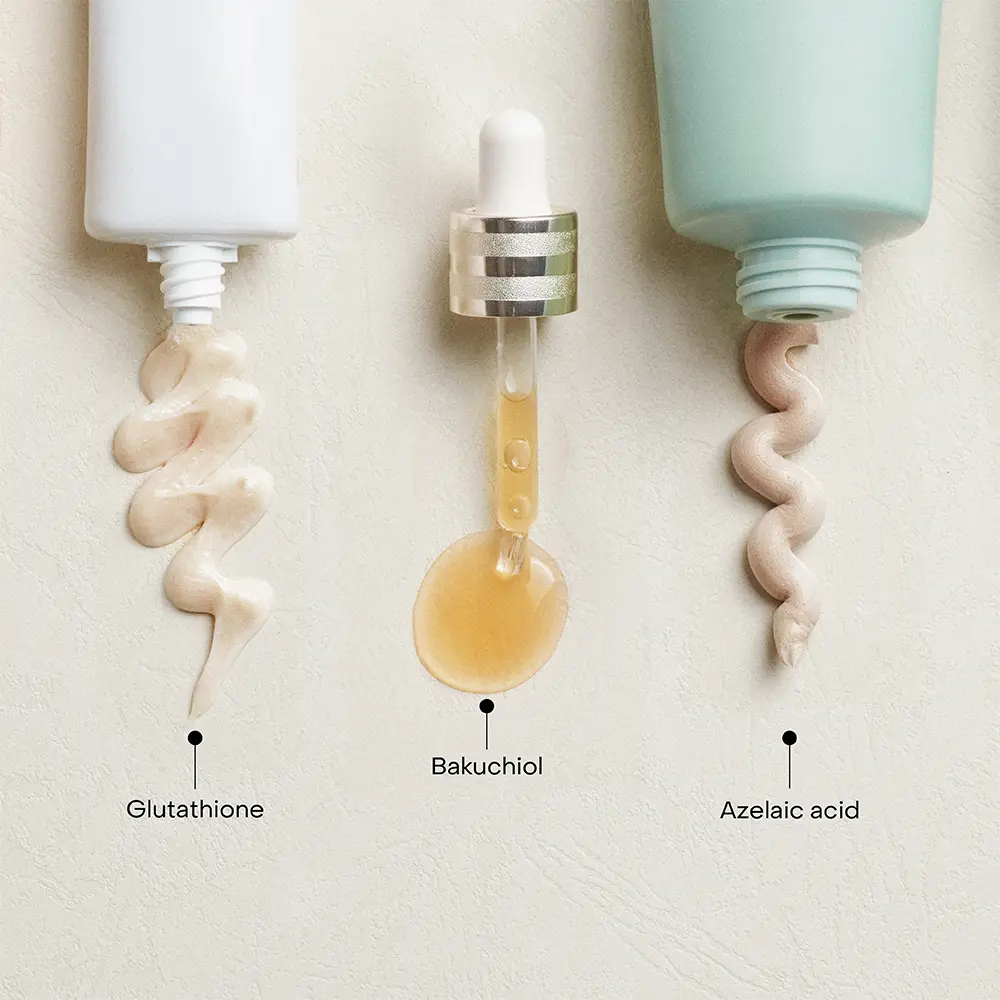
In 2026, we’re also seeing increased interest in ingredients like azelaic acid, which has both antibacterial and anti-inflammatory properties, and tranexamic acid, which can help to fade dark spots. Understanding how these ingredients work and how they interact with each other can empower you to make informed decisions about your skincare routine.
It’s important to note that some ingredients can be irritating when used in high concentrations or combined with other potent actives. For example, using BPO and salicylic acid together can increase the risk of dryness and irritation. Patch testing new products is always recommended to assess your skin's tolerance.
Real People, Real Results: User Reviews & Before/Afters
Social proof is invaluable when it comes to skincare. Across Reddit’s r/skincareaddiction forum, PanOxyl consistently receives praise for its effectiveness, but also warnings about its drying effects. Many users recommend starting with the 4% wash and gradually increasing the concentration if needed. Before and after photos often show dramatic improvements in inflammatory acne, but also instances of significant redness and peeling.
CeraVe, on the other hand, tends to garner reviews praising its gentleness and affordability. Users with sensitive skin often report positive experiences, but some acknowledge that it’s not a miracle worker for severe acne. Reviews on Amazon often highlight its ability to maintain clear skin and prevent breakouts, rather than dramatically clear existing ones.
AI-formulated cleansers have a smaller but growing body of user reviews. Early adopters generally express satisfaction with the personalized approach and the noticeable improvements in their skin. However, some users have reported issues with ingredient sensitivities or a lack of noticeable results. It’s still too early to draw definitive conclusions about their long-term effectiveness.
One user on Reddit, with moderate acne, shared a before-and-after photo after using PanOxyl 10% for six weeks, showing a significant reduction in inflammation. Another user, with sensitive skin, reported that CeraVe’s Foaming Facial Cleanser was the only cleanser that didn’t cause irritation. These individual experiences highlight the importance of finding a cleanser that’s tailored to your specific skin type and concerns.

No comments yet. Be the first to share your thoughts!