

Does blue light actually work?
Blue light therapy is a helpful tool for managing acne, though it isn't a magic bullet. These devices use wavelengths around 405-420nm to target Cutibacterium acnes, the bacteria behind most breakouts. The light excites molecules inside the bacteria, which effectively kills them off.
The science is still evolving, and it’s important to be realistic. Research, like that found on PMC (ncbi.nlm.nih.gov), shows promise in reducing inflammatory lesions, but many studies are relatively small or don’t account for long-term effects. I’m not sure about the absolute long-term effectiveness yet, but the initial results are encouraging.
It’s also important to understand that blue light isn’t going to eliminate acne overnight. It’s most effective when used consistently and as part of a broader skincare routine. It’s a tool, not a complete solution, and results vary significantly from person to person. Don't expect it to clear severe acne on its own.
One thing I’ve noticed is that a lot of the hype around at-home devices outpaces the actual scientific evidence. While the principle is sound, the power and effectiveness of these devices can vary wildly. We’ll get into what to look for later, but knowing the limitations upfront is crucial.

Wavelengths and bacteria
To really understand how blue light acne treatment works, you need to know a bit about wavelengths. Blue light, as mentioned, typically falls between 405-420 nanometers (nm). This specific range is particularly effective at targeting porphyrins produced by P. acnes bacteria. When these porphyrins absorb light, they create oxygen radicals that kill the bacteria.
But blue light isn’t the whole story. Red light therapy, using wavelengths around 630-660nm, is often combined with blue light. Red light doesn’t directly kill bacteria; instead, it reduces inflammation and promotes healing. It’s thought to stimulate collagen production, which can help with scarring and overall skin health.
There's a significant difference between the devices you’d find in a dermatologist’s office and those you can purchase for home use. Professional devices are generally much more powerful and can deliver more targeted treatment. At-home devices are lower intensity, meaning you need to use them more consistently to see results. They are also generally safer for self-administration.
The combination of blue and red light often appears in at-home devices because they address different aspects of acne. Blue light tackles the bacteria, while red light calms the inflammation and supports skin recovery. It’s a fairly logical approach, and one that many people find effective.
How to pick a device
Choosing the right at-home blue light device can feel overwhelming. There are so many options available, and the quality varies considerably. Light intensity is a big factor – you want a device that delivers enough light to be effective, but not so much that it damages your skin. Look for devices that specify the irradiance (measured in mW/cm²) of their lights.
Coverage area is another consideration. Masks cover a larger surface area of the face, while wands are better for spot treatment. Panels are less common for acne specifically, but can be used. Think about where your breakouts typically occur and choose a device that can address those areas efficiently.
Safety features are absolutely crucial. Blue light can be damaging to the eyes, so any device you consider should include built-in eye protection or require the use of protective eyewear. Look for certifications from reputable organizations to ensure the device meets safety standards. A poorly made device could cause more harm than good.
Ease of use and build quality also matter. You want a device that’s comfortable to use and feels well-made. Read reviews to see what other users say about the device’s durability and functionality. Don't automatically assume a higher price tag guarantees better quality, but be wary of extremely cheap devices.
- Check the irradiance (mW/cm²) to ensure the light is strong enough to work.
- Use built-in eye protection or goggles to avoid retinal damage.
- Consider Coverage Area: Mask, wand, or panel – choose based on your needs.
- Read Reviews: See what other users say about durability and effectiveness.
The best blue light devices for 2026
Alright, let’s get down to specifics. After a lot of research, here are some of the most promising blue light devices available in 2026. Prices are approximate and subject to change.
Omnilux Flex-Hue ($249): This flexible LED mask is really versatile. It allows you to combine multiple wavelengths, including blue and red, and customize your treatment. Users report noticeable improvements in acne and skin texture. It's a bit pricier, but the flexibility is a big plus. Available on Omnilux’s website and Amazon.
HigherDOSE Red Light Face Mask ($199): Known for its overall skincare benefits, the HigherDOSE mask also includes blue light for acne. It’s comfortable to wear and easy to use. Many users appreciate the sleek design and the fact that it can be used for other skin concerns as well. Available at HigherDOSE.com.
MZ Skin Light-Therapy Golden Facial Treatment Device ($385): This is a luxury option, and it shows. The MZ Skin device combines blue light with microcurrent technology for a more comprehensive treatment. It’s designed to improve skin tone, reduce inflammation, and minimize breakouts. Available at Space NK and MZ Skin’s website.
Neutrogena Light Therapy Acne Mask ($35): A more affordable option, the Neutrogena mask is a popular choice for those new to blue light therapy. It’s a relatively simple device, but it can be effective for mild to moderate acne. It's widely available at drugstores and on Amazon. However, some users have reported issues with the mask’s durability.
Project E Beauty LED Therapy Mask ($120): This mask offers a range of light therapy options, including blue light, red light, and amber light. It’s a good value for the price and has received positive reviews for its effectiveness. Available on Amazon.
Dr. Dennis Gross DRx SpectraLite FaceWare Pro ($435): This professional-grade mask delivers three wavelengths of light – red, blue, and amber – to target a variety of skin concerns. It’s a significant investment, but many users swear by its results. Available at Sephora and Dr. Dennis Gross’s website.
SolaWave 4-in-1 Radiant Renewal Skincare Wand ($149): While not solely a blue light device, the SolaWave wand incorporates blue light alongside microcurrent and thermal therapy. It’s great for targeted spot treatments and offers a multi-faceted approach to skincare. Available at Solawave.co.
Featured Products

Combines 660nm red light and 850nm infrared light · Includes a stand for hands-free use · Suitable for both face and body treatments
This device offers a dual-wavelength approach, utilizing both red and infrared light for comprehensive skin treatment.

Utilizes both red and blue LED light therapy · Designed for facial skin rejuvenation · FSA/HSA eligible for convenient purchase
The SpectraLite FaceWare Pro provides a professional-grade, dual-light therapy experience for at-home facial rejuvenation.

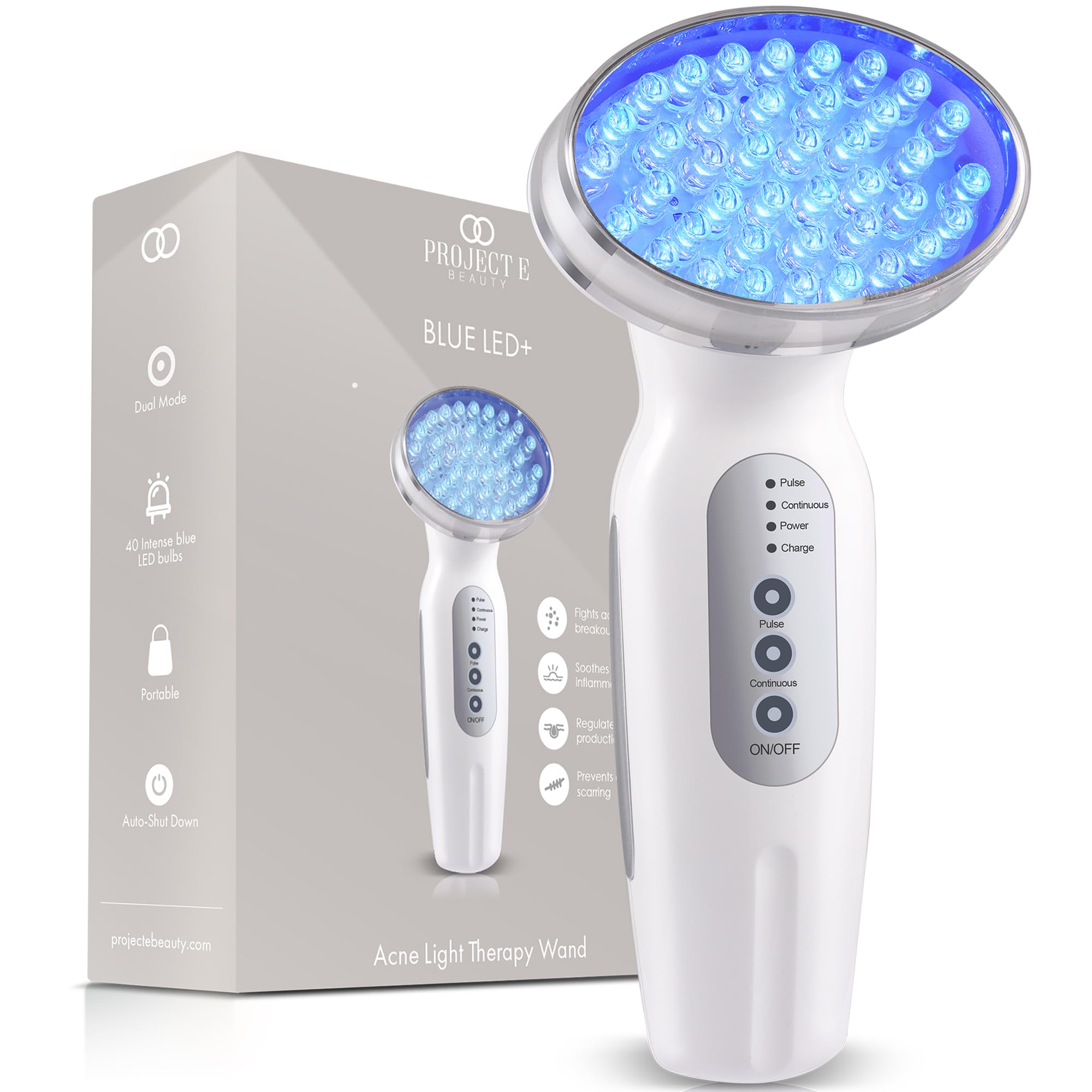
Specifically designed for spot treatment of acne · Employs blue light therapy technology · Compact and easy to use wand format
This wand offers a targeted solution for acne, delivering blue light directly to blemishes for effective treatment.
Specifically designed for spot treatment of acne · Employs blue light therapy technology · Compact and easy to use wand format
This wand offers a targeted solution for acne, delivering blue light directly to blemishes for effective treatment.

Features red light therapy for the face · Includes 3 adjustable gears for intensity · Built-in 2500mAh battery for portability
This mask provides a portable and versatile red light therapy option, suitable for use anywhere, anytime.
As an Amazon Associate I earn from qualifying purchases. Prices may vary.
Beyond the Devices: Maximizing Results
Simply owning a blue light device isn’t enough. Proper skin preparation is key. Always cleanse your skin thoroughly before treatment to remove makeup, dirt, and oil. This allows the light to penetrate more effectively. Avoid using harsh exfoliants or retinoids immediately before or after treatment, as this can increase sensitivity.
Treatment duration and frequency vary depending on the device, so always follow the manufacturer’s instructions. A typical treatment might involve 15-20 minutes of exposure, 3-5 times per week. Consistency is crucial – don’t expect to see results if you only use the device sporadically.
You might experience some mild redness or dryness after treatment. This is normal and usually subsides within a few hours. If you experience significant irritation, reduce the frequency of treatments or discontinue use and consult a dermatologist.
Blue light therapy is most effective when combined with a good skincare routine. This includes a gentle cleanser, a non-comedogenic moisturizer, and potentially other acne treatments as recommended by your dermatologist. Don’t rely on blue light alone to clear your skin.
Matching light to your skin type
Different skin types may respond differently to blue light therapy. People with oily skin tend to see the most dramatic results, as their skin is more prone to P. acnes bacteria. Those with dry or sensitive skin may need to be more cautious, as blue light can be drying and irritating.
If you have very sensitive skin or conditions like eczema or rosacea, it’s best to consult a dermatologist before using a blue light device. Blue light could potentially exacerbate these conditions. Similarly, if you’re using other acne treatments like retinoids or benzoyl peroxide, talk to your doctor to ensure there are no contraindications.
Darker skin tones are often more susceptible to post-inflammatory hyperpigmentation. If you're treating breakouts with light, you need a broad-spectrum sunscreen to prevent those spots from darkening further.
Generally, blue light therapy is considered safe for most skin types when used correctly. But it’s always better to err on the side of caution and consult with a professional if you have any concerns.
Blue Light & Skin Type
| Skin Type | Likely Response | Precautions |
|---|---|---|
| Oily | Generally positive; blue light can help reduce sebum production. | Monitor for excessive dryness, especially with frequent use. |
| Dry | May experience increased dryness and irritation. | Start with shorter treatment times and use a hydrating moisturizer afterward. |
| Sensitive | Higher risk of irritation, redness, and inflammation. | Perform a patch test before full-face treatment. Use lowest intensity settings and limited exposure. |
| Combination | Can be effective for oily areas, but requires careful monitoring of drier areas. | Target treatment to oily zones and avoid overexposure of sensitive areas. |
| Acne-Prone | Often responds well, as blue light targets *Cutibacterium acnes* (formerly *Propionibacterium acnes*) bacteria. | Avoid using on open wounds or severely inflamed lesions. Consistent use is key. |
| Normal | May see mild improvements in blemishes, but effects are generally less dramatic. | Use as a preventative measure or for occasional breakouts. Monitor for any adverse reactions. |
Illustrative comparison based on the article research brief. Verify current pricing, limits, and product details in the official docs before relying on it.
No comments yet. Be the first to share your thoughts!