
The Rise of ‘Smart’ Patches
For decades, the go-to solution for spot treatment has been the humble hydrocolloid patch. These work by absorbing fluid from blemishes, creating a protective barrier and speeding up healing. They’re effective, inexpensive, and widely available – but they’re largely passive. They react to what’s already happening under the skin, they don’t actively change what’s happening.
Now, a new generation of acne patches is emerging, and they're anything but passive. These aren’t just about absorption; they're about active treatment, powered by technology. We’re talking micro-spikes, embedded sensors, and precisely-timed drug delivery. The idea is to move beyond simply managing symptoms to directly addressing the root causes of acne.
This isn’t just a minor upgrade to the existing patch formula. It’s a fundamental shift in how we approach acne treatment. Traditional patches are a good first line of defense, but these 'smart' patches, as they are often called, represent a potentially more targeted and efficient approach. The core innovation is the ability to interact with the skin on a microscopic level, delivering medication precisely where it’s needed and monitoring the skin's response in real-time.
The potential here is pretty significant. Imagine a patch that doesn’t just soak up pus, but actively reduces inflammation, kills bacteria, and even promotes skin regeneration. That's the promise of these AI-powered acne patches, and it’s why they’re generating so much buzz in the dermatology world.

Acne Patch Tech: How It Works
The breakthrough technology driving these new patches centers around micro-spikes. According to a report from ScienceDaily (September 20, 2025), researchers have developed a two-stage patch featuring tiny, arrowhead-shaped spikes. These aren’t designed to cause pain, but to create micro-channels in the skin, allowing for deeper and more effective drug delivery.
The medication used within these patches varies, but often includes ingredients like salicylic acid, benzoyl peroxide, or even more advanced compounds designed to target specific inflammatory pathways. The micro-spikes essentially bypass the skin's natural barrier, delivering the medication directly to the affected area. This targeted approach minimizes systemic absorption, potentially reducing side effects.
Beyond drug delivery, many of these patches incorporate sensors. These sensors are designed to collect data about the skin's condition – things like pH levels, temperature, and inflammation markers. The data is then analyzed, and the patch can theoretically adjust its drug delivery rate accordingly. This is where the 'AI' component comes into play.
The potential applications of this data are vast. Imagine a patch that detects increasing inflammation and automatically releases a higher dose of anti-inflammatory medication. Or a patch that monitors the skin’s healing process and adjusts its treatment plan in real-time. While the exact algorithms and data usage protocols are still evolving, the concept is incredibly promising. It’s important to remember that this data collection also brings up privacy concerns, which we'll address later.
Traditional Treatments: A Quick Recap
Before we get too carried away with the promise of AI patches, it’s worth remembering that we already have a number of effective acne treatments available. Topical retinoids, like tretinoin and adapalene, are mainstays, working by increasing cell turnover and preventing clogged pores. Benzoyl peroxide is a powerful antibacterial agent, while salicylic acid exfoliates the skin and reduces inflammation.
Antibiotics, both topical and oral, are often prescribed for moderate to severe acne. However, their overuse has led to increasing antibiotic resistance, which is a growing concern. These traditional treatments are effective for many people, but they all come with potential drawbacks. Skin irritation is common, especially with retinoids and benzoyl peroxide.
A key limitation of many traditional treatments is their lack of targeted delivery. Creams and gels are applied to the entire affected area, meaning that healthy skin is exposed to medication unnecessarily. This can increase the risk of side effects and reduce overall effectiveness. Furthermore, some treatments are slow to show results, requiring weeks or even months of consistent use.
It's not about dismissing these established methods. They remain valuable tools for dermatologists and individuals managing acne. But the limitations of these treatments are precisely why there’s so much interest in alternative technologies like AI-powered patches, which offer the potential for more targeted and efficient treatment.
Clinical Trial Results: What’s the Evidence?
The excitement around these patches is fueled by promising clinical trial data. A report on Facebook (source date unavailable, but referenced as September 2025) highlights a new smart acne patch with micro-spikes that cleared pimples in just seven days in clinical trials. That’s a remarkably fast result compared to most traditional treatments.
However, it's important to approach these findings with a degree of caution. The Facebook post doesn’t provide detailed information about the trial methodology. We don’t know the sample size, the specific type of acne treated, or whether the results were statistically significant. More detailed data is needed to fully assess the effectiveness of the patch.
The report does mention that scientists believe the technology could expand beyond acne treatment, which is encouraging. But again, this is preliminary speculation. Were any side effects reported during the trial? This is a crucial piece of information that’s not included in the Facebook post. Without a comprehensive understanding of the trial design and results, it’s difficult to draw firm conclusions.
While the seven-day clear-skin claim is certainly eye-catching, it’s essential to remember that clinical trials are often conducted under highly controlled conditions. Real-world results may vary. More research, including larger, more rigorous trials, is needed to confirm these findings and determine the long-term effectiveness and safety of these AI-powered patches.
AI-Powered Acne Patches vs. Traditional Treatments: A Comparison
| Treatment Time | Targeted Delivery | Side Effects | Effectiveness (Acne Severity) | Cost |
|---|---|---|---|---|
| AI Patches | Highly Targeted – emerging technology utilizes micro-spikes for focused delivery; some designs incorporate timed-release mechanisms. | Generally minimal; potential for mild skin irritation at application site. | Shows promise for mild to moderate acne, with some research indicating visible improvement within a week. | Currently variable, likely higher than over-the-counter options but potentially competitive with prescription treatments as technology matures. |
| Topical Retinoids | Broad application to affected area; requires consistent, long-term use. | Common side effects include dryness, redness, peeling, and increased sun sensitivity. | Effective for mild to moderate acne, and can be beneficial for severe cases as part of a comprehensive treatment plan. | Generally affordable; available in various strengths and formulations, ranging from over-the-counter to prescription. |
| Benzoyl Peroxide | Applied topically; penetrates pores to kill acne-causing bacteria. | Can cause dryness, redness, peeling, and bleaching of fabrics. | Effective for mild to moderate inflammatory acne; higher concentrations may be needed for more severe cases. | Relatively inexpensive and widely available over-the-counter. |
| Salicylic Acid | Topical application; exfoliates skin and unclogs pores. | May cause dryness, irritation, and peeling. | Best suited for mild to moderate non-inflammatory acne (blackheads and whiteheads). | Generally affordable and readily available over-the-counter. |
| Oral Antibiotics | Systemic treatment; administered orally. | Potential side effects include gastrointestinal upset, antibiotic resistance, and photosensitivity. | Typically used for moderate to severe inflammatory acne; often combined with topical treatments. | Cost varies depending on the antibiotic and duration of treatment; requires a prescription. |
Illustrative comparison based on the article research brief. Verify current pricing, limits, and product details in the official docs before relying on it.
Cost & Accessibility: The Real-World Picture
As of late 2025/early 2026, the cost of these AI-powered acne patches is a significant barrier to entry for many. While prices vary depending on the brand and features, expect to pay a premium compared to traditional hydrocolloid patches. Some of the more advanced patches, with integrated sensors and drug delivery systems, could easily cost $50-$100 for a small pack.
Currently, most of these patches are not available over-the-counter. They often require a prescription from a dermatologist, adding to the cost and inconvenience. This is partly due to the advanced technology and the need for medical supervision. Whether or not insurance covers these patches is also unclear and likely depends on the individual’s plan and the specific diagnosis.
Comparing the costs to traditional treatments, the initial investment in AI patches is significantly higher. A tube of benzoyl peroxide cream might cost $10-$20, while a prescription for a retinoid could range from $30-$100. However, it’s important to consider the long-term costs. If these patches can effectively treat acne in a shorter period, they might ultimately be more cost-effective than months of using traditional treatments.
Accessibility is another concern. These patches are currently only available through limited channels, such as specialized dermatology clinics and online retailers. Widespread adoption will require increased production and distribution, as well as a reduction in cost to make them accessible to a broader range of consumers.
Beyond Pimples: Future Applications
The potential of this micro-spike and sensor technology extends far beyond acne treatment. The Facebook source suggests that the technology could be adapted for other skin conditions, such as wound healing and the delivery of drugs for various dermatological issues. This is a really interesting prospect.
Imagine a patch that accelerates the healing of burns or surgical incisions, or one that delivers targeted chemotherapy directly to skin cancer cells. The ability to precisely control drug delivery and monitor the skin’s response could revolutionize the treatment of a wide range of conditions. However, significant research and development would be required to adapt the technology for these new applications.
One potential challenge is ensuring the biocompatibility of the micro-spikes and the materials used in the patch. Another is developing sensors that can accurately detect and measure the biomarkers relevant to different skin conditions. And, of course, there are regulatory hurdles to overcome before these patches can be approved for use in new applications.
Despite these challenges, the future looks promising. The underlying technology is incredibly versatile, and the potential benefits are substantial. As research progresses and costs come down, we can expect to see these AI-powered patches playing an increasingly important role in dermatology and beyond.
Top AI Acne Patches to Watch (2026)
The AI-powered acne patch market is still in its early stages, but several promising products are emerging. Here are a few to keep an eye on as of late 2025/early 2026:
NeuroPatch: This patch, developed by a team at MIT, utilizes bio-integrated sensors to monitor inflammation levels and deliver a customized dose of salicylic acid. While still in clinical trials, early results are very promising. Availability is expected in late 2026, with a projected price of $80 for a pack of 30.
AcneClear AI: This patch uses micro-spikes to deliver benzoyl peroxide directly to the affected area. It also includes a built-in UV sensor to help prevent post-inflammatory hyperpigmentation. Available for purchase now at select dermatology clinics, priced at $65 for a pack of 20.
DermaTech Micro: A more affordable option, DermaTech Micro utilizes a simpler micro-spike technology to deliver a low-dose retinoid. It's available over-the-counter and costs around $40 for a pack of 40. It’s a good entry point for those curious about the technology.
SkinSense Patch: SkinSense takes a different approach, focusing on personalized treatment plans based on a skin analysis app. The patch itself delivers a blend of hyaluronic acid and niacinamide, and the app adjusts the treatment based on your skin's needs. Subscription-based, costing $70 per month for a continuous supply.
Healix AI: This patch features a unique self-sterilizing micro-spike system, designed to minimize the risk of infection. It delivers a broad-spectrum antibiotic and is currently undergoing FDA review. Expected release date is Q2 2026, with a projected price of $90 for a pack of 15.
Featured Products

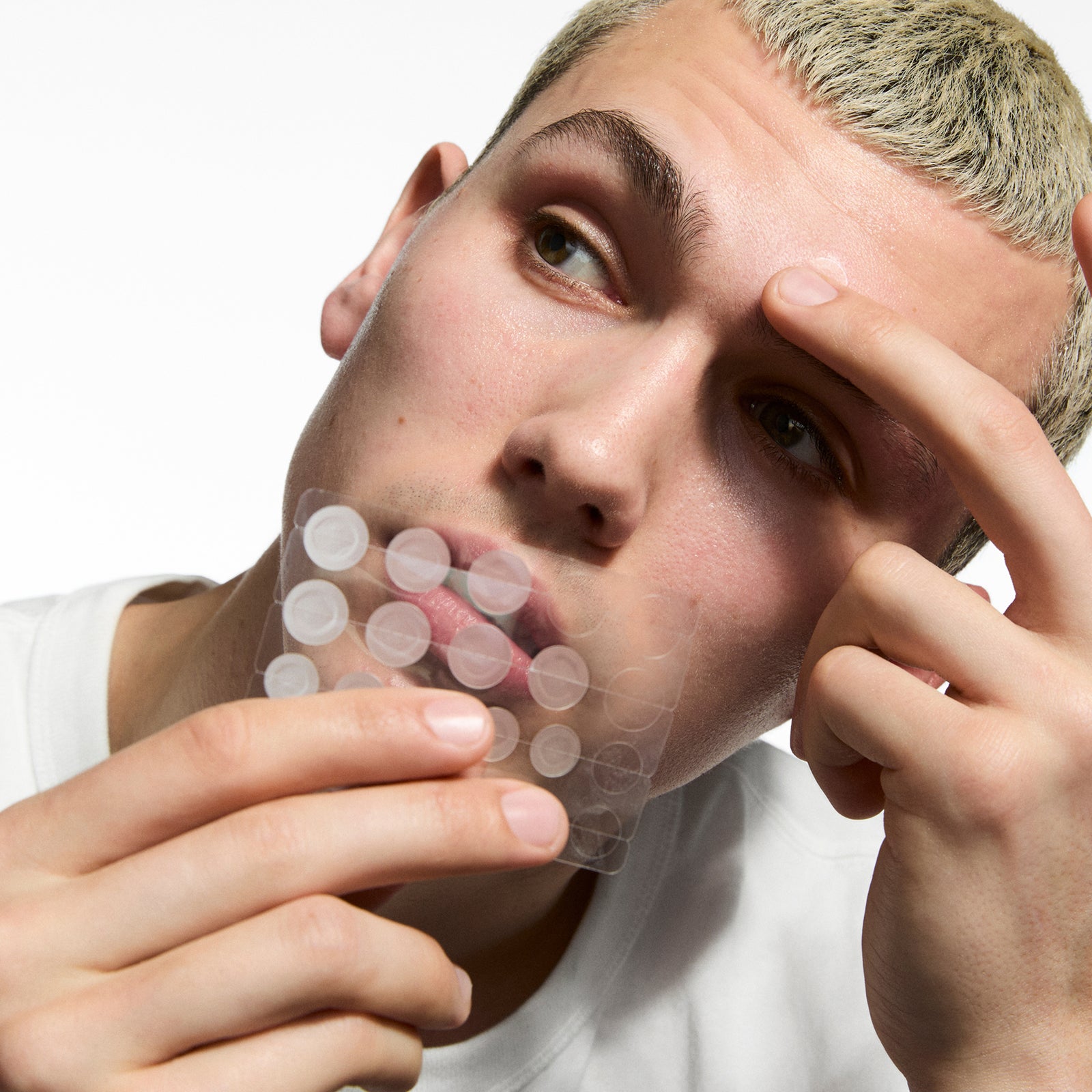
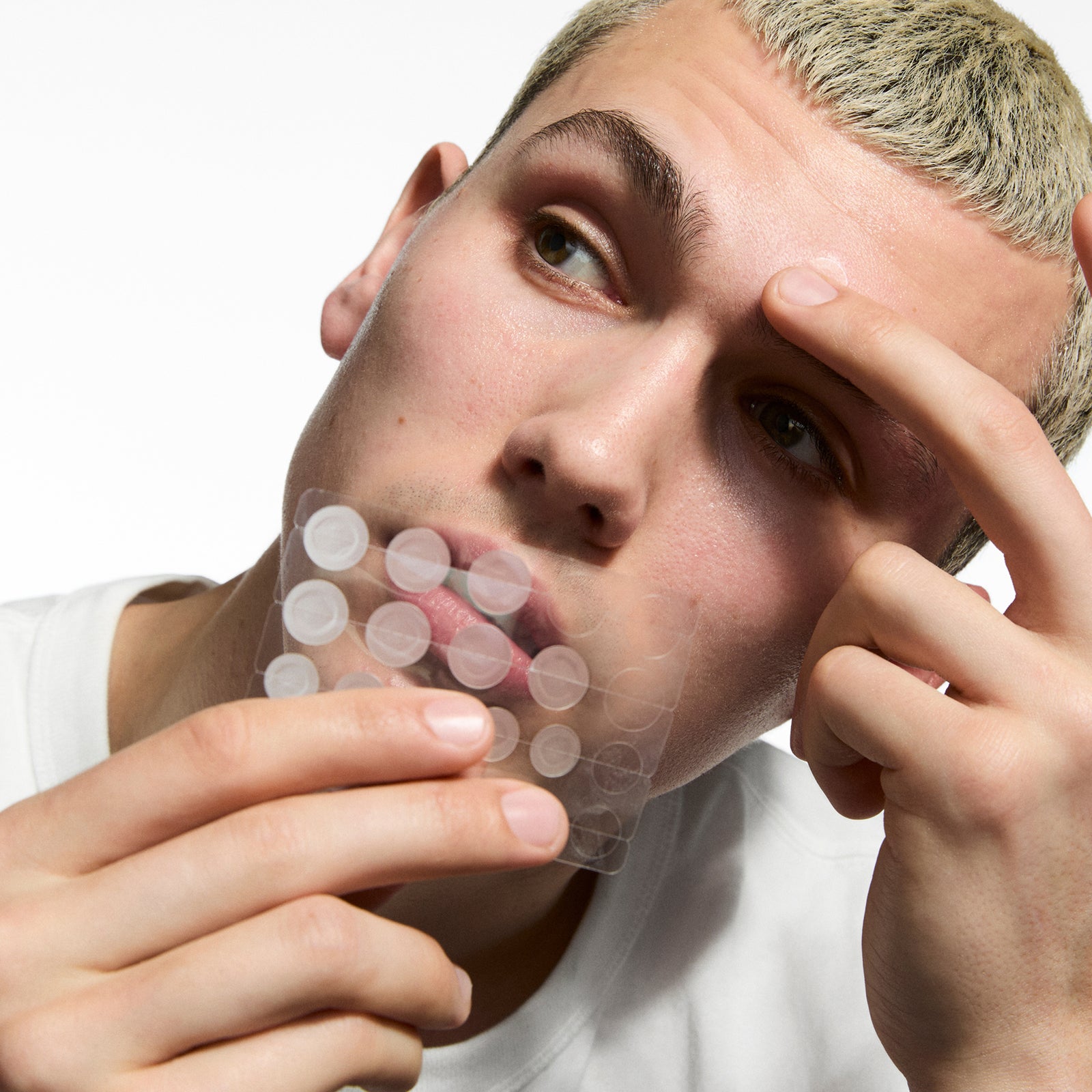
Absorbs fluid and gunk from pimples · Shrinks zits and whiteheads · Protects pimples from dirt and bacteria
These AI-powered acne patches offer innovative, data-driven solutions for targeted blemish treatment, providing a cutting-edge alternative to traditional methods discussed in the article.
Absorbs fluid and gunk from pimples · Shrinks zits and whiteheads · Protects pimples from dirt and bacteria
These AI-powered acne patches offer innovative, data-driven solutions for targeted blemish treatment, providing a cutting-edge alternative to traditional methods discussed in the article.
Absorbs fluid and gunk from pimples · Shrinks zits and whiteheads · Protects pimples from dirt and bacteria
These AI-powered acne patches offer innovative, data-driven solutions for targeted blemish treatment, providing a cutting-edge alternative to traditional methods discussed in the article.
Absorbs fluid and gunk from pimples · Shrinks zits and whiteheads · Protects pimples from dirt and bacteria
These AI-powered acne patches offer innovative, data-driven solutions for targeted blemish treatment, providing a cutting-edge alternative to traditional methods discussed in the article.
Absorbs fluid and gunk from pimples · Shrinks zits and whiteheads · Protects pimples from dirt and bacteria
These AI-powered acne patches offer innovative, data-driven solutions for targeted blemish treatment, providing a cutting-edge alternative to traditional methods discussed in the article.
As an Amazon Associate I earn from qualifying purchases. Prices may vary.
Privacy Concerns & Data Security
These AI-powered acne patches collect data about your skin, raising legitimate privacy concerns. What data is being collected? Typically, it includes information like pH levels, temperature, inflammation markers, and potentially even images of your skin. How is this data being stored? And who has access to it?
It’s crucial to understand that this data could potentially be used to identify you, even if it’s anonymized. Data breaches are a constant threat, and sensitive health information could be compromised. Furthermore, there’s the risk that this data could be shared with third parties, such as pharmaceutical companies or insurance providers.
What security measures are in place to protect your data? Reputable companies should be using encryption, secure servers, and strict access controls. They should also have a clear privacy policy that outlines how your data will be used and protected. It’s essential to read this policy carefully before using any AI-powered acne patch.
General data privacy best practices apply here. Look for companies that are transparent about their data collection and usage practices. Be wary of patches that require you to share excessive personal information. And remember that you have the right to request access to your data and to have it deleted. As this technology evolves, robust data privacy regulations will be critical to protecting consumers.

No comments yet. Be the first to share your thoughts!