
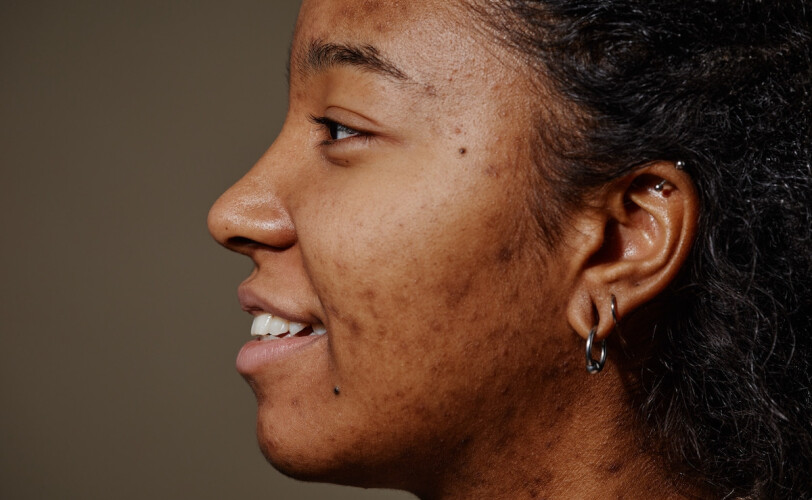

How to pick an acne cleanser
Choosing the right acne cleanser starts with understanding what active ingredients actually do to your skin. Not all cleansers are created equal, and picking the wrong one can lead to irritation without clearing up breakouts. The two most common and effective ingredients are benzoyl peroxide and salicylic acid. Knowing which one fits your specific skin type is the first step in building an effective routine.
Benzoyl peroxide for inflammatory acne
Benzoyl peroxide is a powerhouse for treating inflammatory acne, such as red, swollen pimples. It works by killing the bacteria that cause acne and helping to clear out pores. This ingredient is particularly effective for those who struggle with persistent, inflamed breakouts. However, it can be drying and may bleach fabrics, so it is best used in wash-off products for those new to the ingredient.
Salicylic acid for blackheads and whiteheads
Salicylic acid is a beta-hydroxy acid (BHA) that exfoliates inside the pore. It is ideal for treating blackheads and whiteheads because it can penetrate oil-clogged pores to dissolve the debris causing them. This makes it a gentle yet effective option for people with oily or combination skin who want to prevent clogging without excessive dryness.
Matching ingredients to skin type
Your skin type should dictate your choice of active ingredient. If you have sensitive or dry skin, salicylic acid in a low concentration (0.5% to 2%) is often a better starting point than benzoyl peroxide, which can be harsh. For oily or resilient skin, benzoyl peroxide (2.5% to 5%) may provide faster results for active breakouts. Dermatologists generally recommend starting with a lower concentration to minimize irritation, allowing your skin to adjust before moving to stronger formulations.
How to use acne cleansers effectively
Using an acne cleanser correctly is just as important as choosing the right one. Wash your face no more than twice a day with lukewarm water. Over-washing can strip your skin of natural oils, leading to increased oil production and more breakouts. Gently massage the cleanser into your skin for about 60 seconds to allow the active ingredients to work, then rinse thoroughly. Pat your skin dry with a clean towel; never rub, as this can cause further irritation.
For more detailed guidance on nonprescription acne treatments, you can refer to the Mayo Clinic's guide on acne treatments or the NHS advice on acne care.
Panoxyl Acne Foaming Wash
Panoxyl stands out as a dedicated treatment for inflammatory acne, relying on benzoyl peroxide as its active ingredient. Unlike gentle cleansers that merely wash the surface, this formulation targets the bacteria responsible for red, swollen breakouts. The British Association of Dermatologists notes that skincare products suitable for blemish-prone skin are often the first line of defense, and Panoxyl fits this role by delivering a high concentration of active treatment directly during cleansing [src-serp-4].
The product is available in varying strengths, typically ranging from 4% to 10% benzoyl peroxide. Higher concentrations offer more aggressive bacterial reduction but come with a steeper risk of side effects. According to the Mayo Clinic, nonprescription acne treatments include foams and gels that help treat mild to moderate acne, but effectiveness often correlates with potential irritation [src-serp-3]. Users should start with the lowest effective strength to gauge their skin's tolerance.
Dryness and peeling are common complaints associated with benzoyl peroxide washes. The foaming texture helps distribute the active ingredient evenly, but it can strip natural oils if left on too long. Dermatologists generally recommend rinsing thoroughly and following with a non-comedogenic moisturizer to maintain the skin barrier. This product is best suited for those who prioritize clearing active inflammation over maintaining a gentle, hydrating routine.
CeraVe Acne Foaming Cream Cleanser
This cleanser offers a gentler entry point for acne-prone skin, particularly for those who find traditional benzoyl peroxide treatments too harsh or drying. It combines 4% benzoyl peroxide with ceramides and hyaluronic acid, aiming to clear breakouts while maintaining the skin’s natural barrier.
The formula is designed to be non-comedogenic, meaning it won’t clog pores, and is fragrance-free to reduce the risk of irritation. The inclusion of ceramides helps restore the skin’s protective layer, which can often be compromised by active acne ingredients. This makes it a practical choice for individuals with sensitive skin or those new to chemical exfoliants.
For a deeper understanding of how nonprescription treatments like this fit into a broader skincare routine, the Mayo Clinic provides guidance on selecting appropriate cleansing products for mild to moderate acne. Additionally, the British Association of Dermatologists recommends starting with skincare products specifically labeled for blemish-prone skin to minimize irritation while treating breakouts.
Compare acne cleanser options
Choosing between benzoyl peroxide and salicylic acid often comes down to your specific skin type and acne severity. Benzoyl peroxide targets bacteria directly, making it effective for inflammatory breakouts, while salicylic acid exfoliates pores to prevent clogging. Both are supported by the American Academy of Dermatology as first-line nonprescription treatments for mild to moderate acne [1].
The table below highlights the core differences between two widely recommended cleansers to help you select the right tool for your routine.
| Product | Active Ingredient | Best For | Key Consideration |
|---|---|---|---|
| Panoxyl Acne Foaming Wash | Benzoyl Peroxide (4% or 10%) | Oily, acne-prone | Can bleach fabrics; start with lower strength |
| CeraVe Acne Foaming Cream Cleanser | Salicylic Acid (4%) | Normal to oily, sensitive | Contains ceramides to maintain skin barrier |
Diet and Supplements
Your face wash is only one part of the equation. What you put into your body can significantly influence breakouts, often more than you might expect. While genetics play a role, emerging dermatological research suggests that specific dietary patterns and common supplements can trigger or worsen acne in susceptible individuals.
Creatine and Breakouts There is a growing body of anecdotal and clinical evidence linking creatine supplementation to acne flare-ups. Many users report increased breakouts, particularly on the back and chest, shortly after starting creatine monohydrate. While the exact mechanism isn't fully understood, it may be related to increased levels of dihydrotestosterone (DHT) or changes in skin cell turnover. If you are using creatine for fitness and notice new cystic acne, consider pausing the supplement to see if your skin clears up.
Dietary Triggers Dietary choices also matter. High-glycemic foods—such as white bread, sugary snacks, and processed carbohydrates—can spike insulin levels, which in turn increases oil production and inflammation. Dairy products, particularly skim milk, have also been linked to acne in several studies. This doesn't mean you need to eliminate these foods entirely, but being mindful of their impact can help you identify personal triggers.
Cannabis and Skin Health The relationship between cannabis and acne is complex. While topical cannabis products are sometimes marketed for their anti-inflammatory properties, smoking or vaping cannabis can introduce toxins and irritants that may exacerbate skin conditions. The endocannabinoid system plays a role in sebaceous gland function, and disruptions in this system can lead to increased sebum production. If you use cannabis, observe how your skin responds and consider alternative consumption methods if breakouts persist.
For a deeper understanding of how lifestyle factors interact with skin health, the American Academy of Dermatology offers comprehensive resources on acne management.
Learn more about acne from the AAD
Common questions about acne washes
How often should I use an acne cleanser?
Most dermatologists and health organizations, including the NHS, recommend washing affected areas no more than twice a day. Over-washing can strip the skin of natural oils, leading to increased oil production and irritation. Use lukewarm water and a mild cleanser; scrubbing or using hot water can worsen inflammation. If you have sensitive skin, once daily may be sufficient, especially if you are using other active treatments like retinoids.
Can I use benzoyl peroxide with other acne treatments?
Yes, but caution is required. Benzoyl peroxide is effective against acne-causing bacteria, but it can be drying. It is often paired with salicylic acid or adapalene for enhanced results, but applying them simultaneously can cause significant irritation. A common strategy is to use benzoyl peroxide in the morning and a retinoid at night. Always introduce one new active ingredient at a time to monitor your skin’s reaction.
How long does it take for an acne cleanser to work?
Acne treatments require consistency and time. Most clinical studies suggest that visible improvements take four to eight weeks of regular use. Early stages may involve purging, where existing breakouts worsen before clearing up. If you see no improvement after eight weeks, or if your acne is severe, consult a dermatologist for prescription options. Stick with the product consistently during this period to accurately assess its effectiveness.
No comments yet. Be the first to share your thoughts!