
Ozempic & Skin: What’s the Connection?
I’ve been seeing more and more chatter online – people starting Ozempic for weight loss and then suddenly finding themselves battling breakouts they haven’t had since high school. It’s a frustrating situation, to say the least. A friend of mine, Sarah, started Ozempic last year and within a few months, her skin was covered in small, painful pimples. She was shocked, and honestly, a little scared.
Ozempic is a brand name for semaglutide, a medication initially developed to treat type 2 diabetes. It belongs to a class of drugs called GLP-1 receptor agonists, which work by mimicking a natural hormone that helps regulate blood sugar and appetite. Now, it’s become incredibly popular for weight management, even among people without diabetes. But there’s a growing awareness of potential side effects beyond the intended ones – and skin issues are a big part of that conversation.
The link between Ozempic and acne isn’t something doctors fully understand yet, and it's important to be upfront about that. Reports are increasing, though, and it’s definitely worth exploring. This article will break down what the science suggests is happening, what types of skin reactions people are experiencing, and what you can do if you’re concerned. We'll also look at how to determine if Ozempic is actually to blame, or if something else is going on.
The GLP-1 Pathway & Your Skin
GLP-1 agonists like Ozempic work by stimulating the release of insulin when blood sugar levels are high, and they also slow down gastric emptying, making you feel fuller for longer. This leads to reduced appetite and, ultimately, weight loss. But these metabolic changes don’t happen in isolation. They can have ripple effects throughout the body, including on your skin.
The research, including findings from a paper published by PMC, suggests that GLP-1 agonists might affect sebaceous gland activity. These glands are responsible for producing sebum, an oily substance that keeps skin hydrated. When these glands go into overdrive, it can lead to clogged pores and acne. It’s not a simple, direct cause-and-effect relationship, but it’s a strong lead. Think of it like a hormonal domino effect – one change triggers another, and another.
Another factor that could be at play is potential changes in androgen levels. Androgens are hormones that can stimulate sebum production. Some studies suggest GLP-1 agonists might indirectly increase androgen levels, though this is still being actively researched. It's a complex picture, and we don’t have all the answers. It’s also worth remembering that inflammation plays a huge role in acne development, and metabolic changes can contribute to systemic inflammation.
Types of Acne Linked to Ozempic
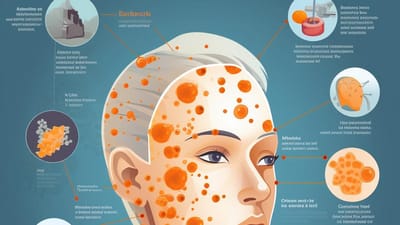
From what I’ve seen, and what’s being reported online, the acne associated with Ozempic doesn’t present the same way for everyone. Many people describe experiencing a sudden outbreak of small, uniform pimples, often on the face, chest, and back. It’s frequently described as comedonal acne – meaning lots of blackheads and whiteheads.
However, there are also reports of more inflammatory acne – papules and pustules, which are those red, pus-filled bumps. A dermatologist I spoke with mentioned seeing a few patients whose existing skin conditions, like rosacea or eczema, seemed to flare up after starting Ozempic. The Instagram posts under #OzempicAcne show a wide range of presentations, from mild breakouts to more severe, cystic acne.
The location of the breakouts seems to vary, but the face, particularly the forehead and chin, is a common area. Many people also report breakouts on their chest and back – areas with a high concentration of sebaceous glands. It’s important to pay attention to where your acne is appearing, as this can help narrow down the potential cause.
Is It Really Ozempic? Ruling Out Other Causes
Before you immediately blame Ozempic, it’s crucial to remember that acne is a multifaceted issue with many potential triggers. Stress, diet, skincare products, and hormonal fluctuations can all contribute to breakouts. It’s easy to assume correlation equals causation, but that’s not always the case.
A diet high in processed foods and sugar can worsen acne, as can certain skincare ingredients like harsh alcohols or fragrances. Hormonal changes, especially those related to the menstrual cycle, are a common trigger for women. And let’s not forget the impact of stress – it can wreak havoc on your skin. It’s important to consider all these factors before jumping to conclusions.
I strongly recommend seeing a dermatologist to rule out other potential causes. They can assess your skin, review your medical history, and recommend appropriate testing. They might also suggest a trial period of adjusting your skincare routine or making dietary changes to see if that helps.
- Stress Levels: Are you experiencing unusually high stress?
- Dietary Changes: Have you recently changed your diet?
- Skincare Routine: Have you introduced any new products?
- Hormonal Fluctuations: Are your breakouts linked to your menstrual cycle?
- Medications: Are you taking any other medications that could be contributing?
What Does the Research Say? (So Far)
The paper published on PMC explores the impact of GLP-1 agonists on acne, hidradenitis suppurativa, and sebaceous activity. The research found evidence that these medications can indeed affect sebaceous gland function, potentially leading to increased sebum production and acne formation. However, the study was relatively small and more research is needed to confirm these findings.
It's important to note the limitations of the study. It didn't specifically focus on Ozempic, and it didn't establish a clear cause-and-effect relationship. The researchers observed correlations, but they couldn't definitively say that GLP-1 agonists cause acne. It's also worth mentioning that there’s a lack of large-scale, controlled clinical trials specifically investigating the link between Ozempic and acne.
I’m not sure about the long-term effects of Ozempic on skin health, and honestly, the research is still catching up. But the current evidence suggests there’s a potential connection, and it’s something both patients and doctors should be aware of. We need more robust studies to fully understand the mechanisms at play and identify ways to mitigate any negative skin effects.
Managing Ozempic-Related Acne: Treatment Options
If you suspect Ozempic is contributing to your acne, don't despair. There are several treatment options available. Starting with a gentle skincare routine is essential. Avoid harsh scrubs and irritating ingredients, and focus on cleansing and moisturizing. Over-the-counter products containing benzoyl peroxide or salicylic acid can help unclog pores and reduce inflammation.
Panoxyl Acne Foaming Wash, with its benzoyl peroxide formula, can be effective for treating inflammatory acne. CeraVe Acne Foaming Cream Cleanser, containing salicylic acid, is a good option for milder breakouts. For more stubborn acne, a dermatologist might recommend prescription-strength retinoids or oral antibiotics. Retinoids help regulate skin cell turnover and prevent clogged pores, while antibiotics can reduce inflammation and bacterial growth.
Lifestyle changes can also play a role. Maintaining a healthy diet, managing stress levels, and getting enough sleep can all contribute to clearer skin. It's also important to stay hydrated and avoid touching your face. Remember, consistency is key when it comes to acne treatment – it takes time to see results.
Acne Treatment Options: A Comparison
| Acne Severity | Treatment Type | Potential Side Effects | Accessibility |
|---|---|---|---|
| Mild Acne (Whiteheads, Blackheads) | Over-the-Counter Topical Treatments (e.g., Salicylic Acid, Benzoyl Peroxide) | Generally mild; potential for dryness, irritation, redness | Readily available without a prescription |
| Mild to Moderate Acne (Inflammatory Papules) | Over-the-Counter Treatments + Gentle Skincare | Increased dryness/irritation possible with combined use; potential for allergic reaction to ingredients | Widely available |
| Moderate Acne (More widespread inflammation, some nodules) | Prescription Topical Retinoids | Initial 'purging' phase (temporary worsening), dryness, sun sensitivity, potential for irritation | Requires a dermatologist visit and prescription |
| Moderate to Severe Acne (Numerous inflamed lesions, nodules, cysts) | Prescription Topical Antibiotics (often combined with retinoids) | Potential for antibiotic resistance with prolonged use, gastrointestinal upset, skin dryness | Requires a dermatologist visit and prescription |
| Severe Acne (Deep, painful nodules and cysts) | Prescription Oral Medications (e.g., Isotretinoin, Oral Antibiotics) | Significant potential side effects – Isotretinoin requires strict monitoring due to birth defects risk, liver function changes, and mood alterations. Antibiotics can cause GI issues and resistance. | Requires a dermatologist visit, regular blood tests, and careful monitoring |
| Moderate to Severe Acne (Inflammation & Bacteria) | Combination Therapy (Topical + Oral) | Potential for increased side effects due to multiple medications; requires careful management | Requires dermatologist supervision |
| Acne Resistant to Other Treatments | Procedures (e.g., Chemical Peels, Laser Therapy) | Temporary redness, swelling, potential for hyperpigmentation or scarring (rare) | Typically performed by a dermatologist or qualified skincare professional |
Qualitative comparison based on the article research brief. Confirm current product details in the official docs before making implementation choices.
What People Are Saying Online
A quick search on Instagram using the hashtag #OzempicAcne reveals a flood of posts from people sharing their experiences. Many users report developing acne shortly after starting Ozempic, and they're seeking advice from others on how to manage it. One user, @skin.journey, posted a photo of her inflamed skin, writing, "Ozempic has been amazing for my weight loss, but my skin is paying the price."
Others are sharing tips and tricks that have worked for them, such as switching to a gentler cleanser or incorporating a retinoid into their skincare routine. The comments sections are filled with empathy and support, with people offering encouragement and sharing their own stories. It’s a clear indication that this is a widespread concern.
The online conversations highlight the emotional toll that Ozempic-related acne can take. People are feeling self-conscious and frustrated, and they're looking for answers. It's reassuring to see a community forming where people can share their experiences and support each other.
Talking to Your Doctor
If you’re experiencing new or worsening acne after starting Ozempic, it’s essential to talk to your doctor. Don’t just suffer in silence. Open communication is key to finding the right solution. Your doctor can assess your skin, review your medical history, and discuss potential treatment options.
Be prepared to ask questions. You might want to ask, “Could Ozempic be contributing to my acne?”, “What are my treatment options?”, or “Are there any potential adjustments to my medication or dosage?” Don’t hesitate to advocate for yourself and express your concerns. The Ozempic prescribing information is also a valuable resource, available on the Ozempic website.
Your doctor may recommend adjusting your dosage, switching to a different medication, or adding a topical treatment to your skincare routine. Remember, there’s no one-size-fits-all solution. The best approach will depend on your individual circumstances and the severity of your acne.

No comments yet. Be the first to share your thoughts!