

Ozempic and acne: What’s happening?
I recently spoke with a patient, Sarah, who started Ozempic for weight management and was thrilled with the results – until the breakouts began. She’d never struggled with acne as an adult, and suddenly found herself dealing with painful, inflamed pimples along her jawline. Sarah isn’t alone. Reports of acne appearing after starting Ozempic, or other similar medications, are becoming increasingly common.
Ozempic, known generically as semaglutide, is a medication initially developed to help people manage type 2 diabetes by improving insulin sensitivity. It’s also become widely used for weight loss due to its appetite-suppressing effects. But now, along with the positive outcomes people are experiencing, a frustrating side effect is emerging: acne. And we at Pimplely are taking this seriously.
It’s easy to dismiss a skin issue as a minor inconvenience when you’re seeing progress on the scale, but acne can be distressing and impact self-confidence. We’re going to break down what we know – and what we don’t know – about the link between Ozempic and breakouts in 2026, looking at the potential causes and what you can do about it.
GLP-1 Agonists: The Hormone Link
To understand the potential connection, we need to talk about GLP-1 agonists. These medications mimic a naturally occurring hormone, glucagon-like peptide-1, which plays a role in regulating blood sugar and appetite. They work by increasing insulin release when blood sugar is high and decreasing glucagon secretion, which helps lower overall glucose levels.
Essentially, GLP-1 agonists influence your metabolism. They slow down gastric emptying, meaning food stays in your stomach longer, promoting a feeling of fullness. This contributes to reduced calorie intake and, ultimately, weight loss. But this metabolic shift isn't happening in a vacuum; it's inherently tied to hormonal fluctuations.
The exact mechanism behind Ozempic-related acne isn’t fully understood, and research is still ongoing. However, a 2024 study published by pmc.ncbi.nlm.nih.gov explored the impact of GLP-1 agonists on sebaceous activity – the production of oil in your skin. The findings indicated a potential correlation between these medications and increased sebum production, which is a major contributor to acne development.
It’s important to note that this isn’t a simple cause-and-effect relationship. The interplay of hormones and skin health is complex. But the emerging evidence suggests that GLP-1 agonists can influence factors that contribute to acne, even if we don’t have all the answers yet.
The Androgen Connection: A Possible Culprit
One leading hypothesis centers around androgens – hormones like testosterone and dihydrotestosterone (DHT). GLP-1 agonists might, in some individuals, subtly influence androgen levels. Even small shifts in these hormones can have a significant impact on sebum production, and therefore, acne formation.
Androgen-related acne typically manifests as inflammatory lesions – papules, pustules, and cysts – often concentrated around the jawline, chin, and lower face. This is because these areas have a higher concentration of androgen receptors. It's a pattern dermatologists recognize well.
Now, I want to be clear: this is still largely theoretical. We don't have definitive proof that Ozempic directly increases androgen levels in a way that consistently triggers acne. But it’s a plausible explanation that researchers are actively investigating and is consistent with what we know about hormonal acne.
Is Ozempic-Related Acne a Possibility for You?
Ozempic, initially designed for managing type 2 diabetes, has gained attention for its weight loss effects. However, a growing number of users are reporting unexpected skin changes, particularly acne. This quiz can help you assess if your breakouts *might* be linked to Ozempic use, though it’s crucial to consult a dermatologist for a proper diagnosis. This quiz is not a substitute for medical advice.
Beyond Hormones: Weight Loss and Skin Changes
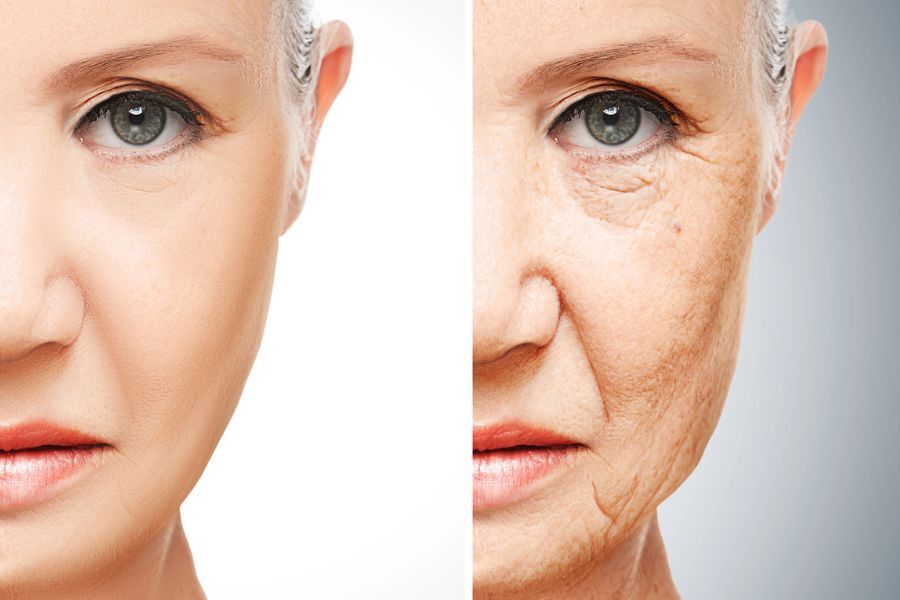
It’s also critical to remember that rapid weight loss, in and of itself, can sometimes trigger acne. When you lose a significant amount of fat, it alters your hormone levels and impacts skin cell turnover. Fat cells aren’t just storage; they’re also metabolically active and produce hormones.
Losing fat can lead to fluctuations in hormones like insulin, leptin, and adiponectin, all of which can influence sebum production and inflammation. This means that some of the acne experienced by people on Ozempic might be a consequence of the weight loss itself, rather than a direct effect of the medication.
Differentiating between acne caused by Ozempic and acne that’s a consequence of weight loss is challenging. The maria.stanford.edu article highlighted the dramatic fat loss experienced by some users, emphasizing how quickly these changes can occur. This rapid shift could be a contributing factor, even if the medication isn’t the sole cause.
It's a bit of a chicken-and-egg scenario. Is the Ozempic causing the acne, or is the rapid weight loss? The answer is likely a combination of both, and it varies from person to person.
What Does the Research Say in 2026?
As of late 2026, the research landscape is still evolving. While anecdotal reports and observational studies strongly suggest a link between GLP-1 agonists and acne, there haven’t been many large-scale, randomized controlled trials specifically designed to investigate this connection.
Several retrospective studies have shown a statistically significant increase in acne diagnoses among patients starting Ozempic or similar medications compared to control groups. However, these studies are limited by their design and can’t prove causation. More data is needed.
There are a few ongoing clinical trials exploring the dermatological side effects of GLP-1 agonists, including one focusing specifically on acne and sebaceous gland activity. Initial results are expected in early 2027, and we’ll be closely following them. Currently, much of the data is still preliminary.
Honestly, there are still a lot of unknowns. We don’t yet know which individuals are most susceptible, what the long-term effects are, or how to best prevent or treat Ozempic-related acne. The situation is still developing.
Who’s Most at Risk?
Determining who’s most likely to experience Ozempic-related acne is difficult, but certain factors may increase your risk. Individuals with a pre-existing history of acne, particularly hormonal acne, might be more susceptible.
A family history of acne could also play a role, suggesting a genetic predisposition. Those with generally sensitive skin or a tendency to react to hormonal fluctuations might also be more likely to develop breakouts. And, of course, anyone taking other medications that affect hormone levels could potentially experience increased acne risk.
It’s crucial to understand this isn't a guarantee. Not everyone who takes Ozempic will get acne. These are simply factors that may increase your likelihood. It’s about being aware of your individual risk profile and discussing it with your doctor.
Managing Ozempic Acne: What Can You Do?
If you’re experiencing acne after starting Ozempic, don’t despair. There are steps you can take to manage it. A consistent skincare routine is essential. Incorporate products containing salicylic acid, benzoyl peroxide, or retinoids – we have detailed guides on these ingredients on Pimplely.
Topical retinoids are particularly helpful, as they promote skin cell turnover and can help unclog pores. However, start slowly and use them as directed, as they can be irritating. Diet and lifestyle also matter. Focus on a balanced diet rich in fruits, vegetables, and lean protein, and prioritize stress management. Chronic stress can worsen acne.
Acne patches can be a targeted treatment for individual pimples, helping to absorb excess oil and reduce inflammation. And most importantly, have an open conversation with your doctor. They can assess your individual situation, rule out other potential causes, and adjust your treatment plan if necessary.
Don’t hesitate to seek the advice of a dermatologist. They can prescribe stronger medications, such as oral antibiotics or isotretinoin, if needed. Remember, managing acne is often a process of trial and error, and finding the right approach takes time and patience.
Looking Ahead: Future Research
Several key questions remain unanswered. We need more research to understand the precise mechanisms by which GLP-1 agonists influence skin health. Studies are needed to identify biomarkers that can predict who’s most at risk of developing Ozempic-related acne.
Longitudinal studies, tracking individuals over time, are crucial to assess the long-term effects of these medications on the skin. And, importantly, we need to develop effective strategies for preventing and treating this side effect.
Patients can play a vital role by reporting any skin changes they experience while taking Ozempic or similar medications to their healthcare providers. This data is invaluable for researchers. The future of understanding this connection relies on continued investigation and open communication.
While the link between Ozempic and acne is still being unraveled, acknowledging the potential side effect is a crucial step. Continued research and a proactive approach to skin health will ultimately help us better manage this emerging challenge.

No comments yet. Be the first to share your thoughts!