

Identify your acne triggers
Acne is rarely caused by a single factor. It is a multifactorial condition driven by excess oil production, clogged hair follicles, bacteria, and inflammation. While genetics and hygiene play roles, many triggers are modifiable lifestyle choices that you can adjust to see clearer skin.
It is important to distinguish between fixed traits and actionable habits. Your genetic predisposition determines your baseline skin type, but your daily intake of supplements, diet, and substances acts as a lever that can amplify or suppress breakouts. For instance, creatine and cannabis can alter hormonal pathways or inflammation levels, while high-sugar diets spike insulin, driving sebum production.
To manage acne effectively, focus on identifying which of these lifestyle factors are most active in your routine. Tracking changes in your skin after adjusting creatine intake, cannabis use, or sugar consumption can help isolate the specific triggers causing your flare-ups. If your acne is severe or persistent, consult a dermatologist to rule out underlying medical conditions.
Adjust your supplement routine
Certain supplements can trigger inflammation or hormonal shifts that worsen acne. Creatine is a common culprit, often linked to increased sebum production and breakouts, particularly around the jawline and chest. While creatine itself doesn't directly cause acne for everyone, it can exacerbate existing conditions by altering water retention and skin oiliness. Other supplements, including whey protein and high-dose B vitamins, may also contribute to flare-ups in sensitive individuals.
To determine if your supplements are affecting your skin, follow this structured testing process. This method helps isolate specific ingredients without leaving you without support during workouts or daily activities.
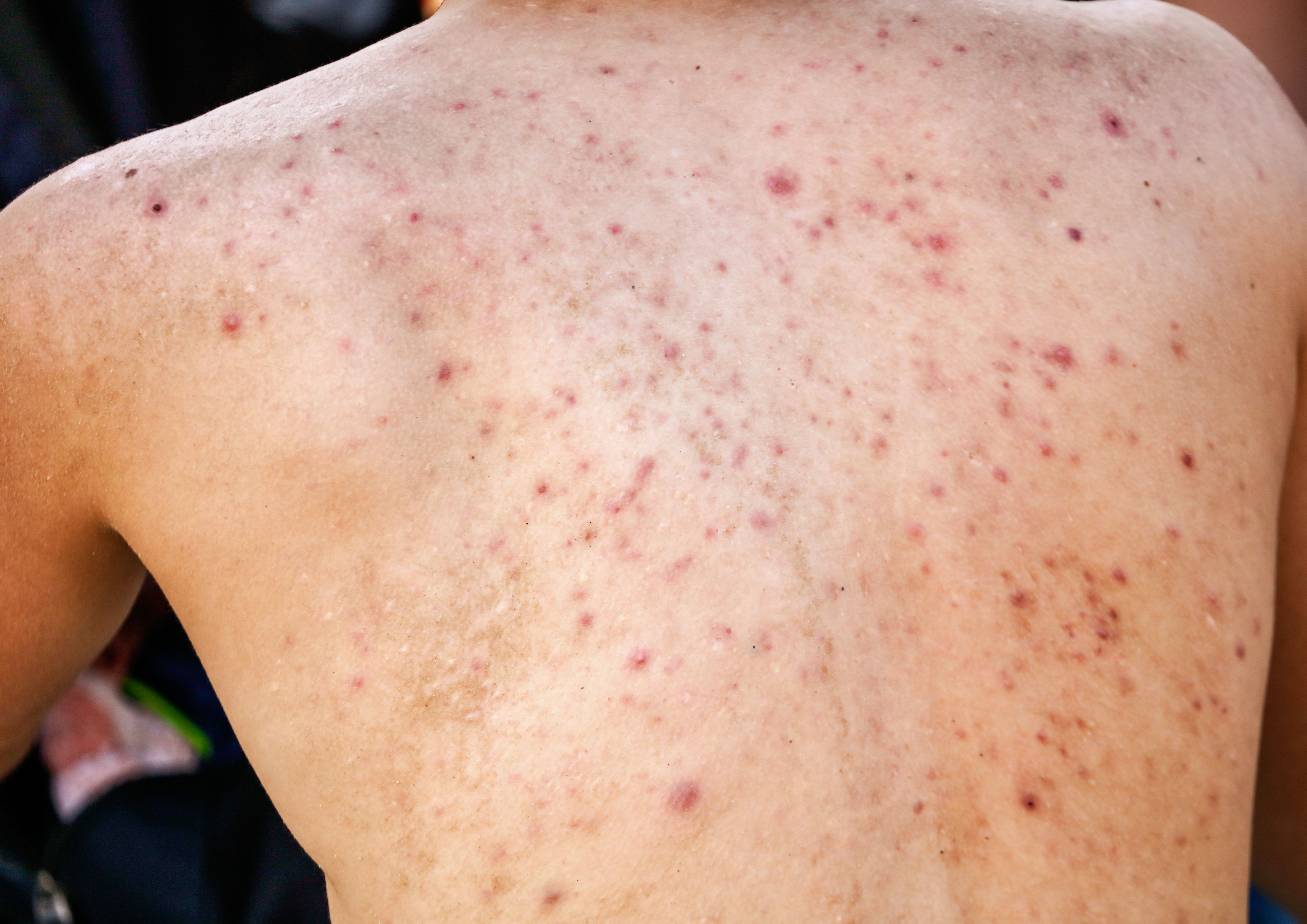
Stop taking creatine monohydrate and whey protein isolates for at least two weeks. If you use other high-dose supplements like B-complex vitamins, pause those as well. This elimination phase creates a baseline to see if your skin clears up without these potential triggers.
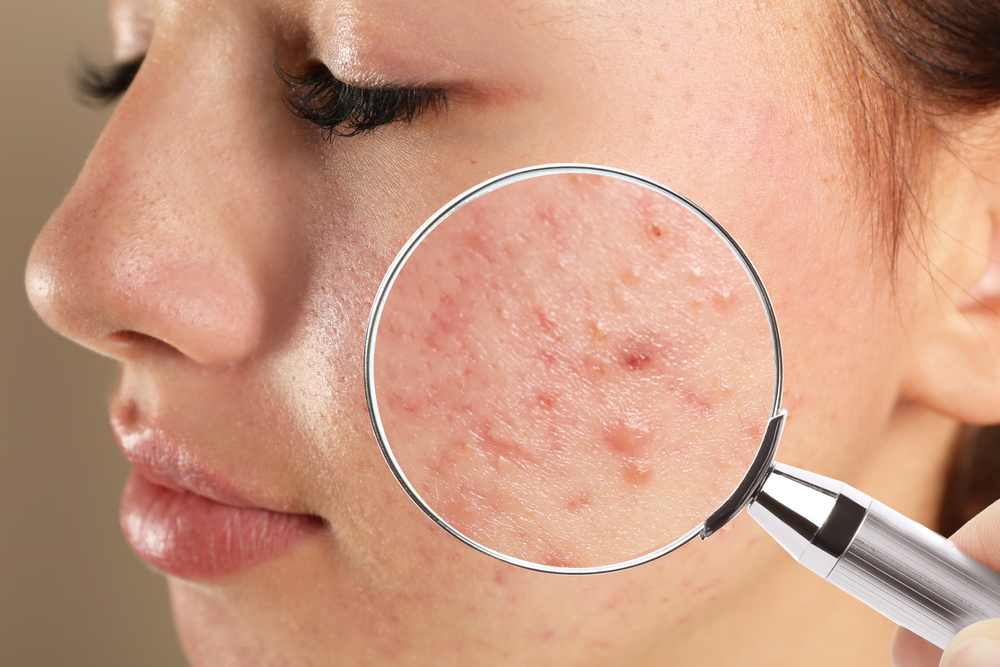
Keep a simple log of any breakouts, oiliness, or irritation. Take photos every few days in consistent lighting. This objective record helps you notice subtle improvements that might otherwise go unnoticed in daily reflection.
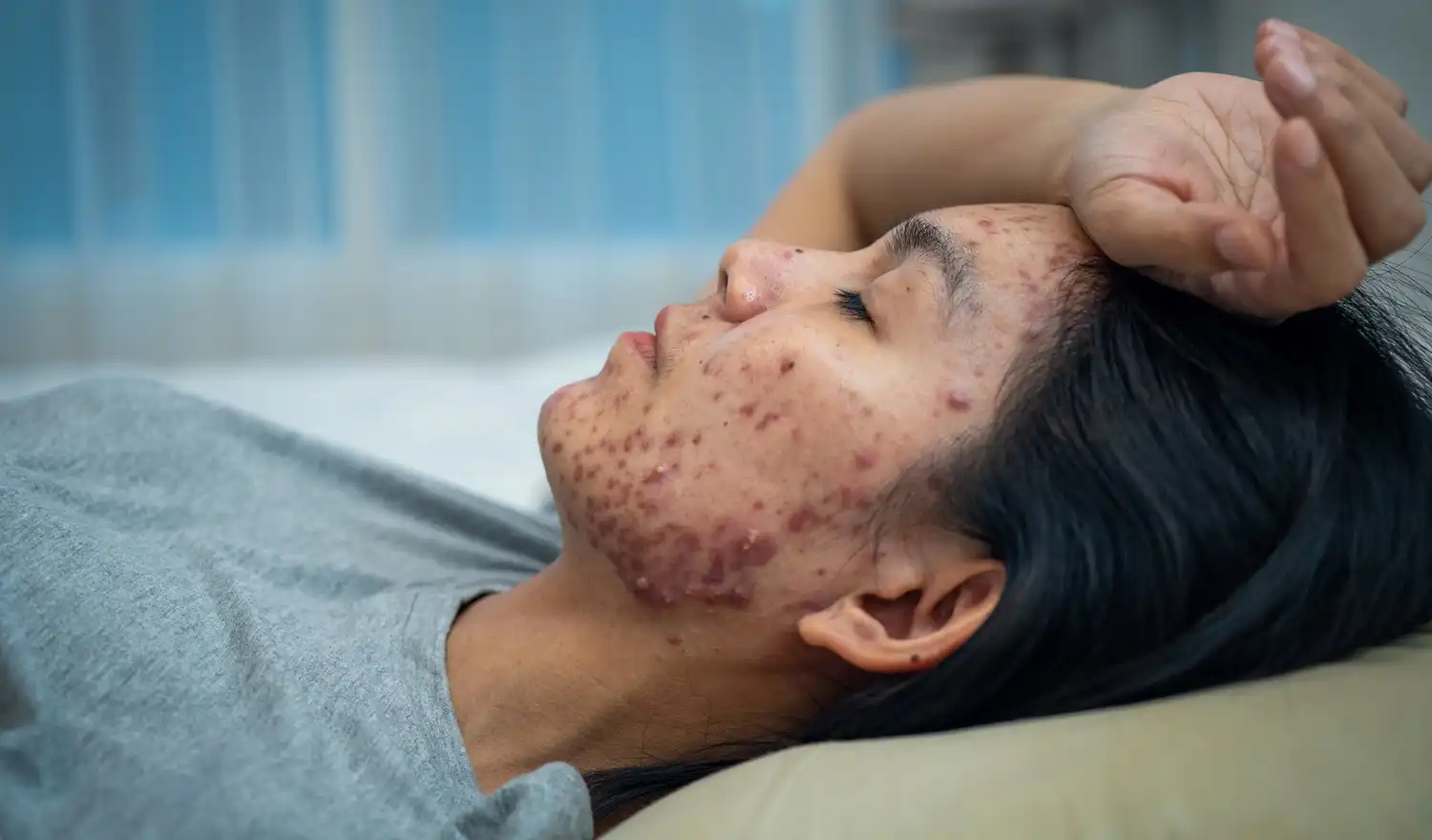
After two weeks, reintroduce only creatine. Wait another week to see if acne returns. If your skin remains clear, creatine may not be the issue for you. If breakouts return, creatine is likely contributing to your acne.
If whey protein was the trigger, switch to plant-based proteins like pea or rice protein. These alternatives provide similar muscle-building benefits without the dairy-derived hormones that can stimulate oil glands.
If your skin does not improve after eliminating these supplements, consider consulting a dermatologist. They can help identify other underlying causes, such as hormonal imbalances or genetic predispositions, and recommend targeted treatments. Remember, what works for one person may not work for another, so patience and careful observation are key.
Evaluate smoking and vaping habits
Smoking and vaping introduce a complex mix of chemicals into your system, many of which trigger systemic inflammation and oxidative stress. For skin prone to acne, this internal friction can exacerbate breakouts, delay healing, and increase the likelihood of post-inflammatory hyperpigmentation. Research consistently links current tobacco use to higher acne prevalence, suggesting that the act of inhaling smoke—or vapor—acts as a direct irritant to the skin’s barrier function.
The mechanism is straightforward: vasoconstriction reduces blood flow to the skin, starving it of oxygen and nutrients while simultaneously impairing the delivery of immune cells needed to fight bacteria. This environment allows Cutibacterium acnes to thrive and makes existing lesions harder for your body to resolve. Whether it’s tobacco or cannabis, the combustion or heating process generates free radicals that degrade collagen and elastin, leading to a duller complexion and slower turnover of skin cells.
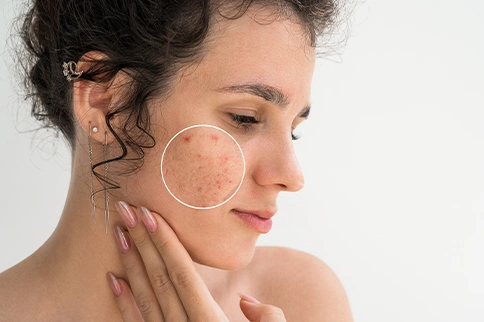
Cutting back on smoking and vaping is one of the most impactful changes you can make for clearer skin. You don’t need to quit overnight, but reducing frequency can significantly lower your inflammatory load. If you use nicotine or cannabis for stress relief, consider alternative coping mechanisms like deep breathing exercises or short walks to break the cycle of smoking-induced anxiety. For severe cases where acne persists despite lifestyle adjustments, consulting a dermatologist can help identify underlying hormonal or genetic factors that may require targeted treatment.
Optimize your daily diet
Diet plays a significant role in acne development, with two factors standing out in clinical research: high glycemic index foods and dairy consumption. Shifting toward a low-glycemic, dairy-reduced diet can help stabilize insulin levels and reduce sebum production, addressing root causes of breakouts rather than just treating symptoms.
High-glycemic foods cause rapid spikes in blood sugar and insulin, which can increase inflammation and oil production in the skin. Dairy products, particularly skim milk, contain hormones and growth factors that may exacerbate acne in susceptible individuals. Replacing these triggers with whole, unprocessed alternatives is a practical first step toward clearer skin.
The table below compares common high-risk foods with lower-risk alternatives to help guide your daily choices.
| Food Type | High-Glycemic / Dairy | Low-Glycemic / Plant-Based | Acne Impact |
|---|---|---|---|
| Bread | White bread, bagels | Whole grain, sourdough | Lower insulin spike |
| Snacks | Sugary cereals, chips | Nuts, seeds, fruit | Reduced inflammation |
| Drinks | Soda, sweetened coffee | Water, unsweetened tea | Stable blood sugar |
| Dairy | Skim milk, whey protein | Almond milk, oat milk | Fewer hormonal triggers |
Start by swapping one high-glycemic item per day for a whole-food alternative. Monitor your skin’s response over four to six weeks, as dietary changes often take time to show visible results. If you have severe acne, consult a dermatologist for personalized medical advice.
Build a consistent skincare routine
Dietary changes reduce inflammation, but a steady skincare routine clears the pores and manages oil production. Acne stems from four factors: excess sebum, clogged follicles, bacteria, and inflammation 1. A simple, consistent routine addresses these triggers without irritating the skin barrier.
Use a gentle, pH-balanced cleanser morning and night. Avoid harsh scrubs that strip natural oils, which can trigger more sebum production. Pat skin dry with a clean towel instead of rubbing.
Apply a benzoyl peroxide or salicylic acid product to active breakouts. Benzoyl peroxide kills acne-causing bacteria, while salicylic acid unclogs pores. Start with a lower concentration to minimize irritation.
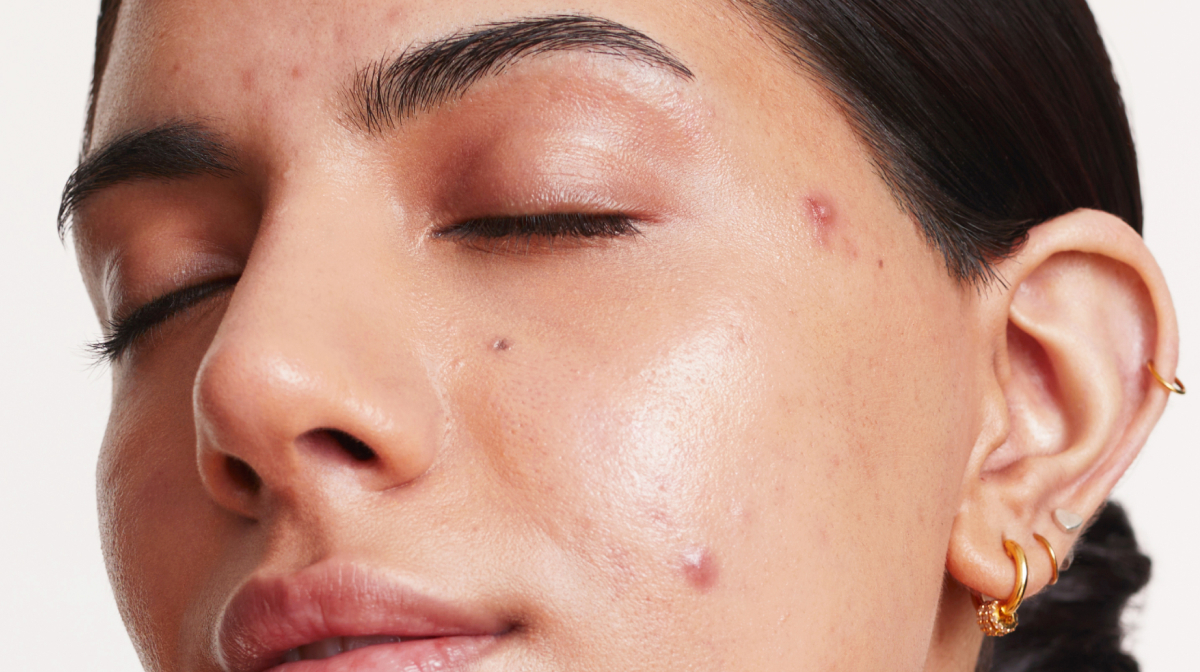
Even oily skin needs hydration. Use a lightweight, non-comedogenic moisturizer to maintain the skin barrier. A healthy barrier prevents bacteria from penetrating deeper into the skin.
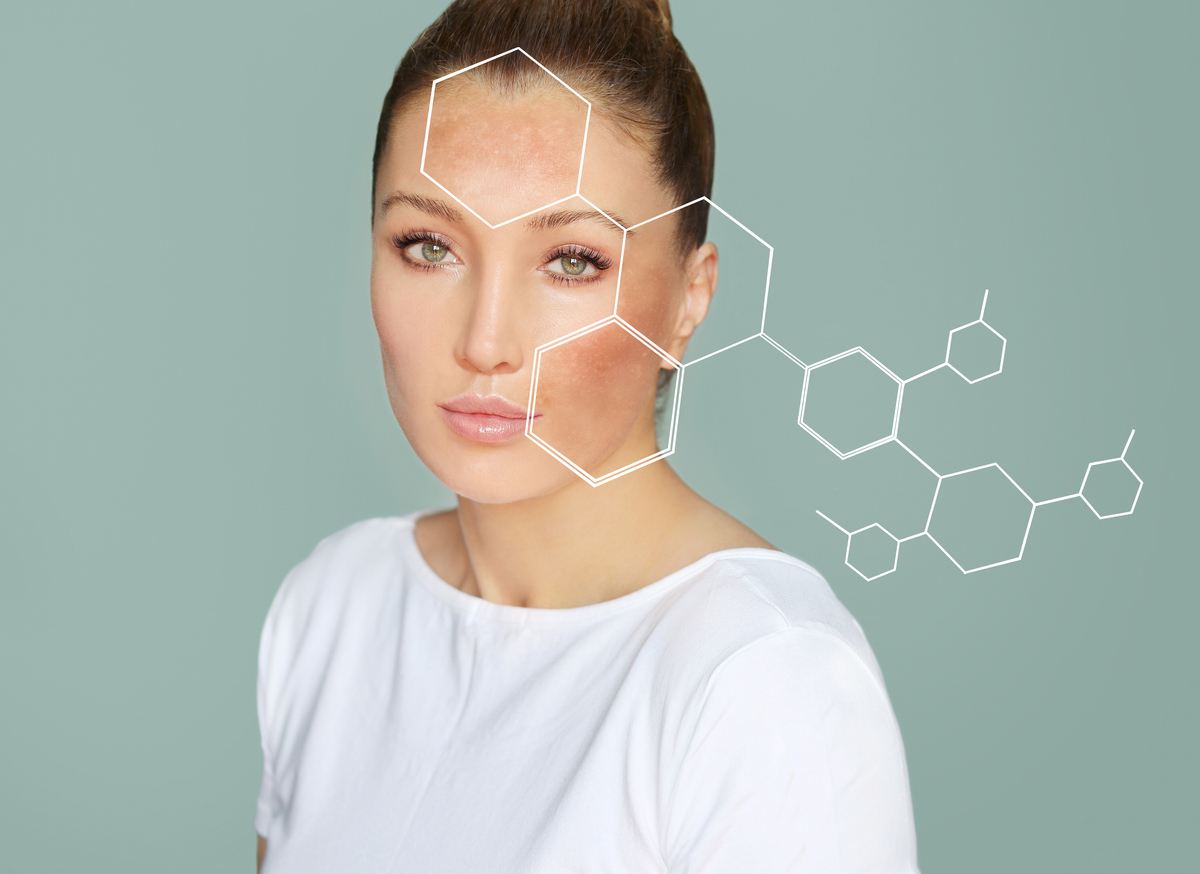
UV exposure darkens acne scars and thickens the skin, worsening clogged pores. Apply a broad-spectrum SPF 30+ sunscreen every morning. Look for oil-free formulas labeled non-comedogenic.
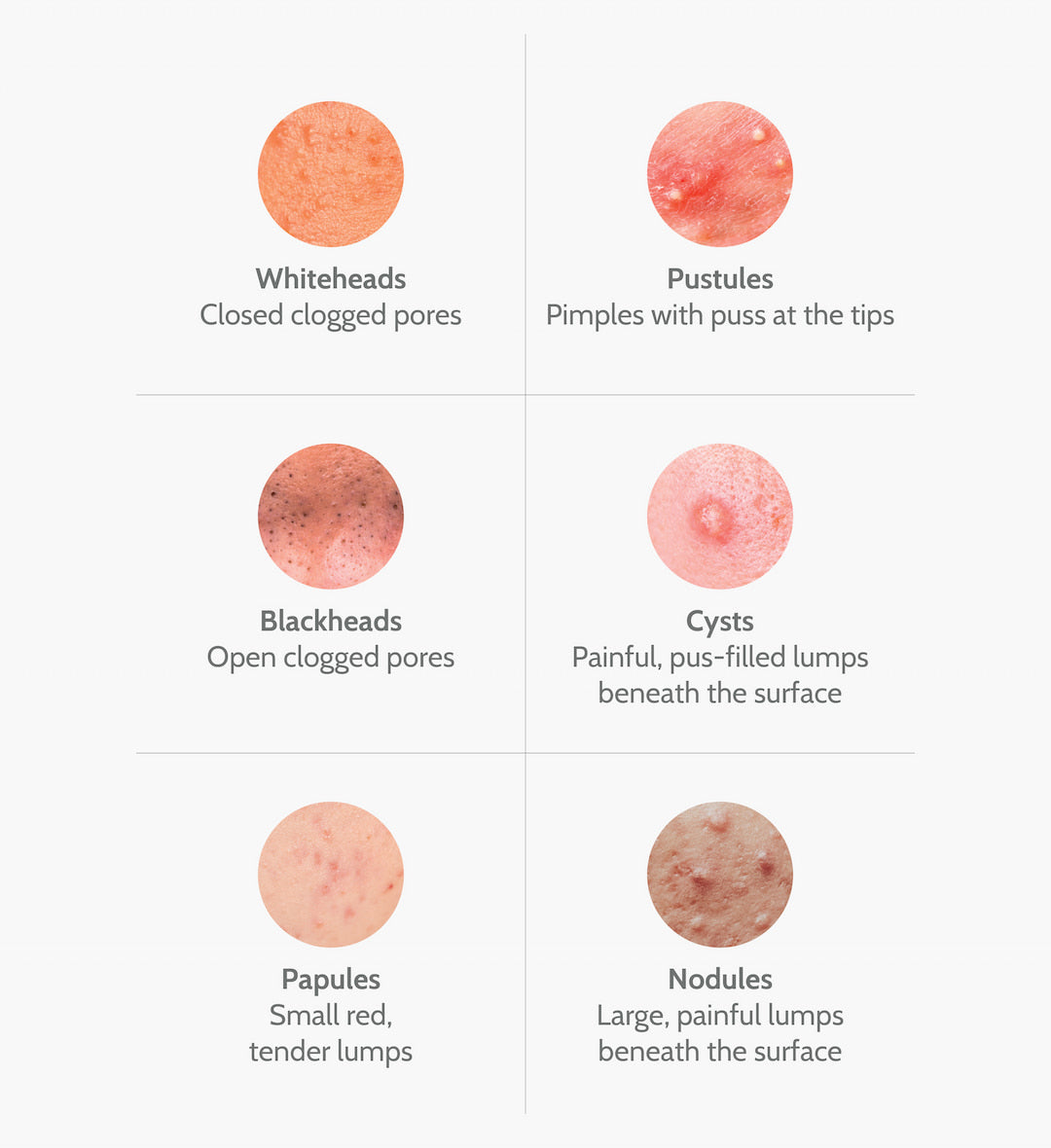
Consistency is key. It takes four to eight weeks to see significant changes. If irritation persists, reduce frequency or switch to gentler ingredients. Consult a dermatologist for persistent or severe cases.
Disclaimer: This information is for educational purposes and does not constitute medical advice. Consult a healthcare professional for personalized treatment.
Track progress and adjust habits
Skin changes rarely happen overnight. To see if cutting creatine, weed, or sugar is working, you need a baseline and a timeline. Research suggests that lifestyle factors like diet and sleep patterns significantly impact acne prevalence, but these effects accumulate over weeks, not days 1.
Start by taking clear photos of your face in consistent lighting every Sunday morning. This visual record is more reliable than daily mirror checks, which can distort your perception of gradual improvement. Look for trends in inflammation and breakout frequency rather than individual spots.
Use a simple weekly checklist to log your habits alongside your skin’s appearance. If you notice no improvement after four to six weeks, consider whether you’ve maintained consistency or if other factors like stress or hormonal shifts are interfering. Adjust one variable at a time to isolate what works.
Common questions about acne triggers
Many readers ask how specific lifestyle choices directly influence breakouts. The connection between daily habits and skin health is often more immediate than assumed, involving hormonal shifts and inflammation rather than simple surface dirt.
Does creatine cause acne?
Creatine itself does not directly clog pores, but it can increase dihydrotestosterone (DHT) levels in some individuals. Higher DHT may stimulate excess sebum production, creating an environment where acne-causing bacteria thrive. If you notice breakouts after starting supplementation, consider pausing use or switching to a creatine monohydrate with a cleaner profile.
Can weed cause acne?
Cannabis use is linked to increased acne severity, particularly when smoked. Tobacco smoke and cannabis combustion introduce oxidative stress and inflammatory compounds that can worsen skin conditions. Additionally, some users experience changes in appetite or sleep patterns that indirectly affect skin barrier function and healing.
Does sugar really make acne worse?
Yes. High-glycemic foods spike insulin and insulin-like growth factor 1 (IGF-1), which increases sebum production and skin cell proliferation. Studies confirm that diets high in added sugars and refined carbohydrates are significant risk factors for acne. Reducing sugar intake is one of the most effective dietary changes for clearer skin.
No comments yet. Be the first to share your thoughts!