

Key takeaways on acne triggers
Acne is a complex skin condition driven by four primary mechanisms: excess oil production, clogged hair follicles, bacteria, and inflammation. While genetics play a significant role, lifestyle factors such as diet, stress, and sleep patterns can significantly influence the severity and prevalence of breakouts. Understanding these connections helps separate evidence-based triggers from common myths.
Recent research highlights specific controversies surrounding substances like cannabis and creatine. Smoking has been linked to inflammatory acne, while the impact of creatine remains less direct, potentially affecting oil production through hormonal pathways like DHT. However, these factors are just part of a broader picture that includes nutrition and daily habits.
Diet and stress remain major drivers of acne for many individuals. High-glycemic foods and dairy have shown consistent correlations with increased acne prevalence in clinical studies. Similarly, chronic stress can exacerbate inflammation, creating a cycle that worsens skin health. This section outlines the most significant lifestyle variables to consider when managing acne.
Smoking and inflammatory acne links
Smoking is consistently associated with non-inflammatory acne, particularly comedonal acne (blackheads and whiteheads). The mechanism involves oxidative stress and inflammation in the skin, which can impair wound healing and exacerbate existing lesions. For individuals managing acne lifestyle factors, quitting smoking is one of the most impactful changes for skin health, offering benefits beyond acne reduction.
Creatine, hormones, and oil production
The relationship between creatine supplementation and acne is a persistent topic in fitness and skincare discussions. While creatine monohydrate is one of the most researched and safe supplements available, some users report breakouts. This section examines the biological plausibility of this link, focusing on hormonal pathways and sebum production.
The DHT Hypothesis
The primary theory connecting creatine to acne involves dihydrotestosterone (DHT). DHT is a potent androgen hormone derived from testosterone. It plays a significant role in regulating sebum (oil) production in the skin’s sebaceous glands. Excess sebum, combined with dead skin cells and bacteria, is a core driver of acne vulgaris.
Some limited studies suggest that creatine supplementation may increase DHT levels. For example, a 2009 study on rugby players observed a 56% increase in DHT after creatine loading, though testosterone levels remained unchanged. If DHT rises, it can stimulate the sebaceous glands to produce more oil, potentially clogging pores and triggering acne in predisposed individuals.
Indirect Links and Individual Variability
It is important to note that the link between creatine and acne is often indirect or overstated. Not everyone who takes creatine experiences a significant rise in DHT, and even those who do may not develop acne. Skin health is influenced by a complex web of factors, including genetics, hygiene, diet, and stress levels.
For many, the correlation is coincidental rather than causal. Acne often flares during periods of intense training or dietary changes, which frequently coincide with the start of a supplement regimen. Without controlled clinical trials isolating creatine as the sole variable, the evidence remains suggestive rather than definitive. If you notice breakouts after starting creatine, it may be worth monitoring your skin’s response or consulting a dermatologist to rule out other triggers.
Diet and sleep as primary drivers
While topical treatments address surface symptoms, research into acne lifestyle factors increasingly points to internal physiology as the root cause. Two areas with the most consistent evidence are dietary choices—specifically glycemic load and dairy—and the quality of sleep. These elements influence insulin signaling and inflammation, creating an environment where acne thrives.
Glycemic load and dairy
High glycemic index foods cause rapid spikes in blood sugar and insulin. This hormonal surge stimulates sebum production and keratinocyte proliferation, both of which clog pores. A systematic review published in Clinical and Experimental Dermatology confirms that high glycemic load diets have a modest yet significant proacnegenic effect, meaning they actively promote acne development [1].
Dairy products, particularly skim milk, also show a correlation with acne prevalence. The mechanism is similar to high-sugar foods; dairy contains hormones and bioactive molecules that can stimulate insulin-like growth factor 1 (IGF-1). For individuals sensitive to these triggers, reducing dairy intake often yields visible improvements in skin clarity within a few weeks.
The role of sleep deprivation
Sleep is not merely rest; it is a critical period for cellular repair and hormonal regulation. Chronic sleep deprivation elevates cortisol levels, which in turn increases sebum production and systemic inflammation. A study in the Journal of the European Academy of Dermatology and Venereology found that poor sleep quality is independently associated with worse acne severity, regardless of other lifestyle factors [2].
Prioritizing 7-9 hours of quality sleep helps regulate the stress hormones that exacerbate breakouts. Combining better sleep hygiene with a lower-glycemic diet addresses two of the most powerful modifiable drivers of acne, offering a foundation that topical treatments alone cannot provide.
[1] https://www.sciencedirect.com/science/article/pii/S2666328722000281 [2] https://pmc.ncbi.nlm.nih.gov/articles/PMC11056197/
Comparing effective acne cleansers
Choosing the right cleanser is a practical step in managing acne lifestyle factors. While no single product works for everyone, understanding the active ingredients helps narrow the field. Benzoyl peroxide and salicylic acid are the two most common over-the-counter options, each targeting different aspects of pore clogging and bacteria.
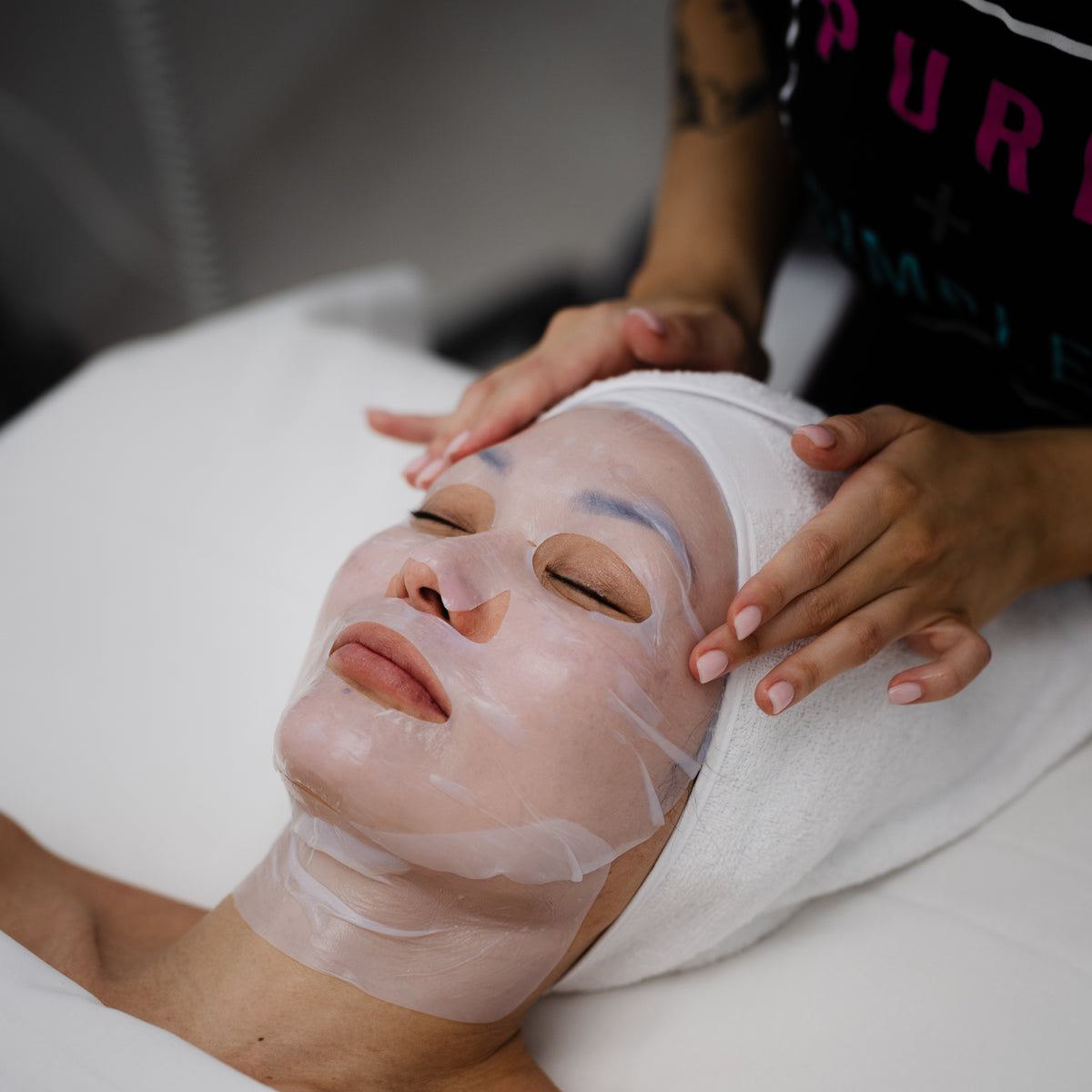
The image below illustrates a clean, minimalist approach to skincare routines, emphasizing consistency over complexity.
Panoxyl and CeraVe represent two distinct approaches to this problem. Panoxyl relies on benzoyl peroxide, a potent antibacterial agent that reduces C. acnes bacteria and helps clear existing breakouts. CeraVe’s SA Cleanser uses salicylic acid to exfoliate inside the pore and remove excess oil. The table below breaks down the key differences to help you decide which aligns with your skin type.
| Feature | Panoxyl (Benzoyl Peroxide) | CeraVe SA (Salicylic Acid) |
|---|---|---|
| Primary Active | Benzoyl Peroxide (4% or 10%) | Salicylic Acid 4% |
| Best For | Inflammatory acne, body acne | Clogged pores, rough texture |
| Skin Type | Normal to oily; can dry sensitive skin | All skin types, including sensitive |
| Potential Side Effects | Dryness, peeling, fabric bleaching | Mild irritation if overused |
| Moisturizing | None; requires separate moisturizer | Contains ceramides and hyaluronic acid |
If your acne is driven by inflammation or bacterial overgrowth, Panoxyl may offer faster results, though it requires careful handling to avoid bleaching towels and clothes. If your primary concern is texture, clogged pores, or mild acne on sensitive skin, CeraVe’s salicylic acid formula provides a gentler entry point. Always patch-test new products and introduce them gradually into your routine.
When to see a dermatologist
Topical treatments and lifestyle modifications are effective for mild to moderate acne. However, persistent, painful, or scarring acne often requires professional intervention. A dermatologist can prescribe stronger topical retinoids, oral antibiotics, or hormonal therapies that address the underlying biological drivers of acne. Early intervention can prevent long-term scarring and improve quality of life.
No comments yet. Be the first to share your thoughts!