

Slugging: What Is It, Exactly?
Slugging is applying a thick, occlusive layer, usually petroleum jelly, as the final step in your nighttime skincare. It creates a skin barrier, and the name comes from the slightly slug-like appearance. This practice isn't new; it's been a long-standing part of Korean beauty (K-beauty) routines.
The benefits include locking in moisture, preventing transepidermal water loss (water escaping from your skin), and supporting natural skin repair. It acts like a protective layer overnight, helping skin recover for a plumper, more hydrated complexion.
While it feels current, the principle behind slugging isn't new. Occlusives have long been used to protect and heal skin. Its current popularity stems from repackaging and promotion by new skincare enthusiasts, appealing to a simpler approach to hydration.
Slugging isn't a treatment for specific skin conditions. It's a technique to support your skin's natural functions, especially when the skin barrier is compromised or skin is very dry, boosting what your skin is already doing.
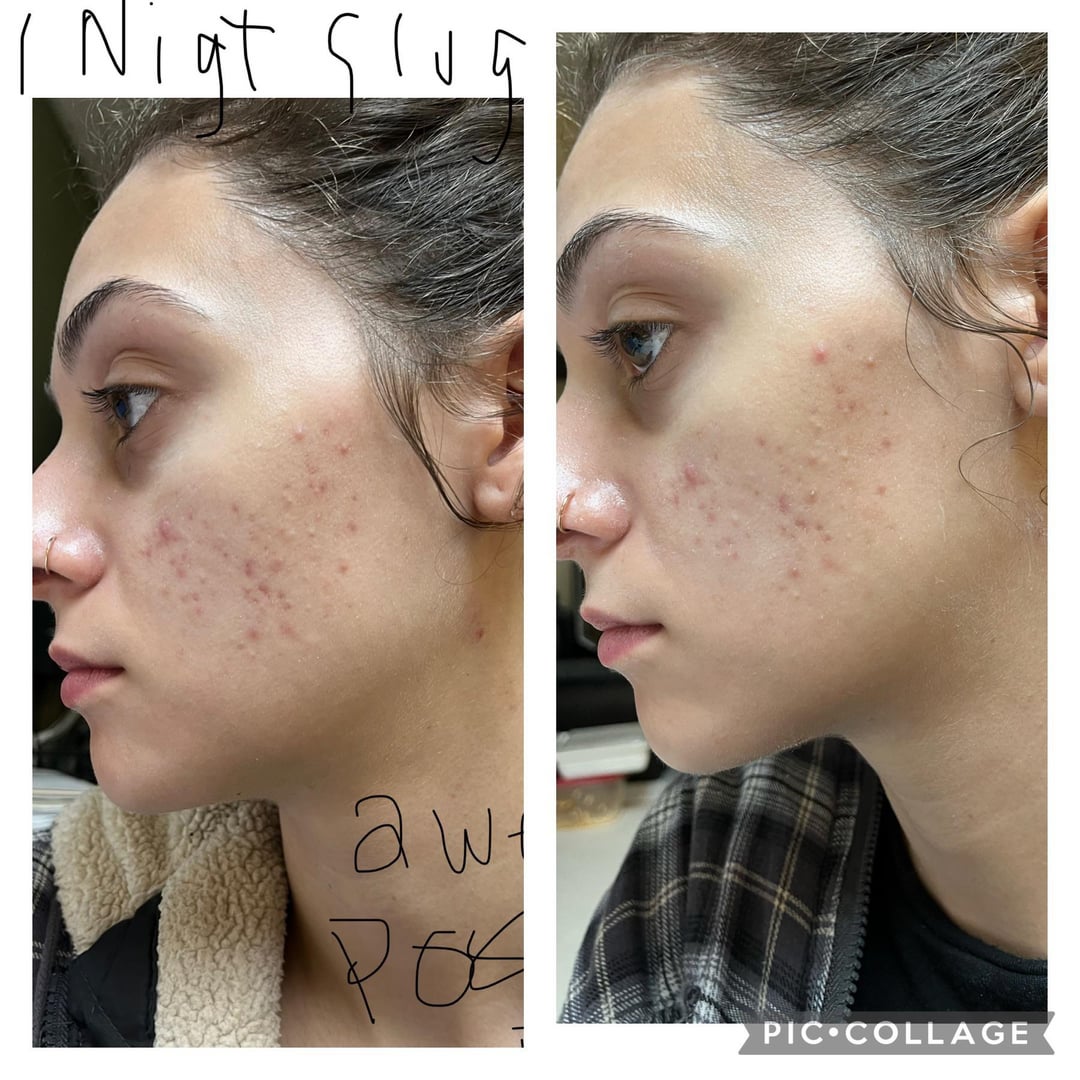
The TikTok Hype: How It Went Viral
Slugging gained popularity on TikTok in late 2022 and 2023, and the trend resurfaces. It grew gradually through videos showcasing the technique and results. Influencers demonstrated the process, and the hashtag #slugging amassed millions of views.
Before-and-after videos contributed significantly to its appeal, showing dewy, hydrated skin after one night. The focus was on visibly plumper skin and reduced flakiness, tapping into the popular 'glass skin' aesthetic.
The aesthetic appeal is significant. Applying a thick balm layer is visually satisfying, and the promise of waking up with soft skin is enticing. It offered a simple, low-cost way to achieve results, a powerful combination on TikTok, and a potential solution for dry, irritated skin, especially in colder months.
Petroleum Jelly & Acne: The Core Concern
Petroleum jelly, while excellent at locking in moisture, is an occlusive. It creates a barrier that prevents water evaporation but also traps substances like bacteria and oil. This is a legitimate concern for those prone to acne.
Trapping bacteria under the occlusive layer can worsen existing breakouts or create new ones, potentially exacerbating comedogenic acne (blackheads and whiteheads). Clogged pores with an added layer of petroleum jelly could seal in blockages, leading to inflammation.
Tolerance varies; some with acne-prone skin can use slugging, while others see increased breakouts. Factors include acne type, overall skin health, and other products used. It presents a risk that requires careful consideration.
The potential downsides must be acknowledged. Hydration benefits may not outweigh the risk of severe acne flare-ups; it's a trade-off not suitable for everyone.
What the Experts Say (and Don't Say)
Dermatologists hold mixed opinions. Paula's Choice notes slugging can benefit severely dry skin but isn't universal and may worsen acne. They stress using it as the final step, after serums and treatments, to avoid hindering absorption.
The Cleveland Clinic agrees, stating slugging can repair a damaged skin barrier and boost hydration but cautions against use for oily or acne-prone skin. They note it's not a cure-all and should complement a healthy skincare routine.
There's no strong consensus on which acne types are most affected. Some experts believe it primarily concerns comedonal acne, while others suggest it could worsen inflammatory acne. Much remains unknown.
A definitive answer on who should avoid it is unclear, but general advice is to proceed with caution and patch test. Expert opinions vary, and individual results differ.
Skin Types & Slugging: A Compatibility Guide
Slugging is most beneficial for very dry, flaky skin, particularly in winter. If skin feels tight and hydration is a struggle, slugging may help restore the skin barrier and prevent moisture loss.
Oily and acne-prone skin types should generally avoid slugging or proceed with extreme caution. Petroleum jelly's occlusive nature can trap oil and bacteria, leading to breakouts. Patch test on a small, inconspicuous area if trying it.
Combination skin requires a more nuanced approach. Slugging may work on drier areas like cheeks while avoiding oilier zones like the T-zone. Patch testing is crucial. Start slowly and observe your skin's reaction.
Introduce slugging gradually, not nightly. Start once or twice a week, observing for irritation or breakouts. Pay attention to your skin's signals.
Slugging & Existing Acne Treatments
Slugging can impact acne treatment effectiveness. Using it over benzoyl peroxide may reduce its ability to penetrate skin and kill bacteria, acting like a shield over medication.
Similarly, with salicylic acid, slugging could slow down its exfoliation process. Salicylic acid relies on penetrating the pores to dissolve oil and dead skin cells, and an occlusive barrier can hinder that. The same applies to retinoids—slugging could reduce their absorption and, therefore, their effectiveness.
I would recommend not combining slugging with these active ingredients, especially if you’re prone to irritation. If you want to use slugging, apply it after your treatments have fully absorbed. Alternatively, consider using your acne treatments in the morning and slugging at night.
It’s also worth noting that some people find slugging can help to mitigate the irritation caused by retinoids, but this is a very individual response. If you’re experiencing dryness or redness from your retinoid, slugging might offer some relief, but proceed with caution and monitor your skin closely.
Beyond Petroleum Jelly: Occlusive Alternatives
If you're hesitant about using petroleum jelly due to its potential comedogenicity, there are other occlusive ingredients you can consider. Shea butter is a popular option, but it does have a slightly higher comedogenic rating than petroleum jelly (a rating of 0-2, versus petroleum jelly's 0).
Squalane is another alternative. It’s a lightweight oil that’s naturally found in the skin and has a very low comedogenic rating (around 0). It provides excellent hydration without feeling greasy. Ceramides are also fantastic for repairing the skin barrier and can be used as an occlusive.
These alternatives might be better suited for acne-prone skin, but it’s still important to patch test. Everyone’s skin reacts differently, and what works for one person may not work for another. It’s about finding the right balance between hydration and preventing breakouts.
Ultimately, the goal is to find an occlusive ingredient that effectively locks in moisture without clogging your pores. It’s a bit of trial and error, but it’s worth the effort to find a solution that works for your skin.
Occlusive Ingredient Comparison
| Ingredient | Comedogenicity | Texture | Benefits for Dry Skin | Potential for Breakouts |
|---|---|---|---|---|
| Petroleum Jelly | Low | Very Occlusive, Thick | Excellent – creates a strong barrier to prevent water loss. | Low to Moderate – can trap existing congestion, particularly in breakout-prone skin. |
| Shea Butter | Moderate | Creamy, Rich | Good – provides moisturizing benefits alongside occlusion. | Moderate – higher oleic acid content may contribute to breakouts in some individuals. |
| Squalane | Very Low | Lightweight, Silky | Good – mimics skin’s natural oils, providing hydration and occlusion without a heavy feel. | Low – generally well-tolerated, even by acne-prone skin. |
| Ceramides | Low | Lightweight, Creamy | Excellent – helps restore skin barrier function, improving hydration and reducing sensitivity. | Low – helps support a healthy skin barrier, potentially *reducing* breakout risk. |
| Mineral Oil | Low | Slightly Occlusive, Silky | Good – similar to petroleum jelly in its barrier properties, but with a different molecular structure. | Low to Moderate – similar considerations to petroleum jelly regarding potential congestion. |
| Beeswax | Moderate to High | Thick, Waxy | Good – provides a strong barrier, offering protection from environmental factors. | Moderate to High – can be comedogenic for some, due to its thickness and composition. |
Illustrative comparison based on the article research brief. Verify current pricing, limits, and product details in the official docs before relying on it.
Slugging in 2026: What to Expect
I suspect the "slugging’ trend will continue to evolve. While the core concept of occlusive skincare isn’t going anywhere, we might see formulations change to address the concerns about comedogenicity. Perhaps we"ll see petroleum jelly combined with other ingredients designed to minimize pore-clogging.
I also anticipate more research emerging on the long-term effects of occlusive skincare. Currently, there’s a limited amount of data on the long-term impact of consistent slugging. More studies are needed to understand its effects on skin health.
We might also see a shift towards more personalized slugging routines. People are becoming more aware of their skin types and sensitivities, and they’re tailoring their skincare routines accordingly. Slugging will likely become a more targeted approach, rather than a blanket recommendation.
The demand for effective, yet gentle, occlusives will probably increase, driving innovation in the skincare industry. We could see new ingredients and formulations emerge that offer the benefits of slugging without the risks.

No comments yet. Be the first to share your thoughts!