
Beyond the sticker: AI patches arrive
Dealing with acne is frustrating. For many, it feels like the available treatments haven’t changed much over the years, offering incremental improvements at best. But what if your acne treatment could learn your skin and proactively adapt? That's the promise of AI-powered acne patches, a relatively new category of skincare that’s generating a lot of buzz. These aren't your average hydrocolloid stickers.
The core idea is deceptively simple: a patch equipped with micro-sensors continuously monitors the skin around a blemish. This data—things like pH levels, temperature, bacterial load, and even inflammation markers—is then analyzed by algorithms to understand the specific characteristics of your acne. Some designs even go further, incorporating the ability to deliver personalized micro-doses of medication directly to the affected area.
This isn’t just about a more convenient way to apply a spot treatment. It’s about shifting from a reactive approach—treating breakouts after they appear—to a proactive one, potentially preventing them altogether. We’re starting to see a move towards what feels like genuinely smart skincare. This article will break down how these AI patches are different from traditional treatments, what the current research says, and what the future holds for this high-tech approach.
The reality of traditional treatments
Before we dive deep into the world of AI, it’s important to remember that traditional acne treatments do work for a lot of people. These methods have been refined over decades and remain the first line of defense for many. Common options include topical creams containing ingredients like benzoyl peroxide, salicylic acid, and retinoids, all designed to target different aspects of acne formation.
For more severe cases, oral medications such as antibiotics or isotretinoin (formerly known as Accutane) might be prescribed. These medications have a higher potential for side effects and require careful monitoring by a dermatologist. In-office procedures like chemical peels and laser therapy offer more intensive treatment options, directly addressing inflammation and promoting skin cell turnover.
Effectiveness rates vary widely depending on the type and severity of acne. For example, topical retinoids can reduce inflammatory lesions by 40-70% over 8-12 weeks, according to a 2017 study in the Journal of the American Academy of Dermatology. However, these treatments aren't without their drawbacks: dryness, irritation, and photosensitivity are common side effects. It's also worth noting that many people experience a 'purge' period where acne initially worsens before improving.
How the sensors work
These patches are essentially miniature labs. They use sensors to track pH levels and temperature fluctuations. A spike in heat usually signals incoming inflammation, while pH shifts tell the app about bacterial activity on the skin surface.
Crucially, some patches are designed to analyze the skin’s bacterial load, identifying the specific strains of Cutibacterium acnes (formerly Propionibacterium acnes) contributing to the breakout. More advanced patches are even attempting to measure levels of inflammatory markers like cytokines, providing a deeper understanding of the immune response. The data collected by these sensors is then transmitted—usually via Bluetooth—to a smartphone app.
This is where the "AI" part truly comes into play. The app uses machine learning algorithms to analyze the data and identify patterns. Companies like The INKEY List are already offering AI skin scanning tools, like their Acne Analyzer Pro, which aims to provide personalized product recommendations. The data analysis can also inform the potential delivery of medication. Some patches are designed to release micro-doses of ingredients like salicylic acid or benzoyl peroxide directly into the affected area, adjusting the dosage based on the real-time skin analysis.
The problem with skin data
The real power of AI acne patches isn’t just in collecting data, but in interpreting it. Machine learning algorithms are trained on vast datasets of skin characteristics to recognize the subtle patterns that indicate different types of acne and their severity. This allows for a more accurate diagnosis than simply relying on visual inspection.
These algorithms can differentiate between inflammatory acne (red, swollen pimples) and non-inflammatory acne (blackheads and whiteheads), and even identify the underlying causes, such as hormonal fluctuations or bacterial imbalances. The potential for predictive analysis is also exciting. By tracking changes in skin parameters over time, the AI could potentially anticipate breakouts before they even appear, allowing for preventative measures to be taken.
However, data privacy is a valid concern. Companies developing these patches need to ensure that user data is securely stored and protected. Transparency about data usage is also crucial. It's important to understand how your skin data is being used and whether it’s being shared with third parties. Responsible data handling will be essential for building trust and widespread adoption of this technology.
AI-Powered Acne Patch Analysis vs. Traditional Dermatologist Diagnosis (2026)
| Speed | Cost | Accuracy | Personalization | Convenience |
|---|---|---|---|---|
| Traditional | Low | Medium | Medium | Low |
| AI Patch | High | Low to Medium | High | High |
Illustrative comparison based on the article research brief. Verify current pricing, limits, and product details in the official docs before relying on it.
What the clinical trials show
The research on AI acne patches is still in its early stages, but initial results are promising. While large-scale, independent clinical trials are still limited, some studies have shown that these patches can be more effective than traditional spot treatments in reducing inflammation and accelerating healing. However, it’s important to approach these findings with caution.
Most current data comes from the manufacturers, so I'm skeptical of the '60% reduction in 24 hours' claims. We need independent trials before we can say these actually outperform a $5 tube of benzoyl peroxide.
Currently, the technology seems to perform best on mild to moderate inflammatory acne. Its effectiveness on severe cystic acne remains unclear. It's also worth noting that some users have reported skin irritation from the adhesive material of the patches, a common issue with traditional hydrocolloid patches as well. The biggest takeaway right now is that AI acne patches represent a fascinating advancement, but they aren’t a miracle cure—yet.
The cost of high-tech skincare
The cost of AI acne patches can vary significantly depending on the brand and features. Many operate on a subscription model, where you pay a monthly fee for a supply of patches and access to the app. The initial cost might include a starter kit with a reusable device (if required) and a limited supply of patches, ranging from $50 to $200. Ongoing patch refills can then cost anywhere from $30 to $80 per month.
In contrast, traditional treatments can be more variable. Over-the-counter products like benzoyl peroxide washes and salicylic acid creams are relatively inexpensive, costing around $10 to $30 per bottle. However, prescription medications like retinoids and antibiotics can be considerably more expensive, especially if you don’t have insurance. A visit to a dermatologist can also add to the cost, typically ranging from $100 to $300 per session.
For chronic acne, the long-term costs of traditional treatments can add up quickly. AI patches, while initially more expensive, might prove to be more cost-effective for some individuals, particularly if they can reduce the need for frequent dermatologist visits and expensive prescription medications. However, it’s crucial to factor in potential data plan costs if the patch requires a constant Bluetooth connection.
Featured Products

Hydrocolloid material absorbs exudate · Comes in three different sizes for varied spot coverage · Protects blemishes from external contaminants
A budget-friendly option offering versatile coverage for different zit sizes.
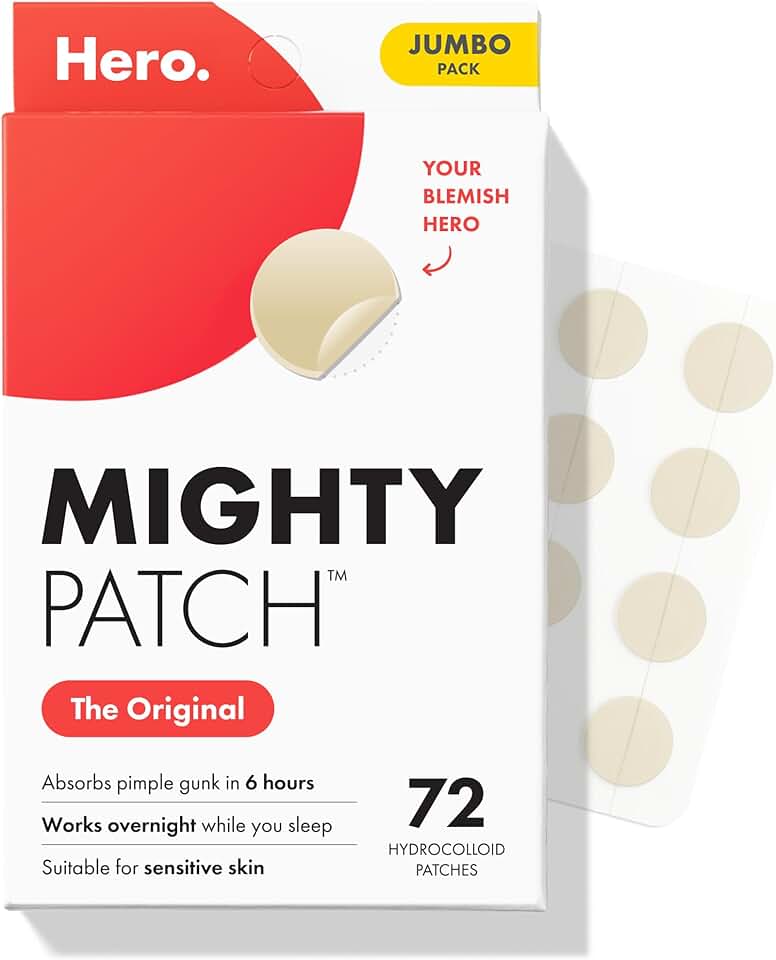
Hydrocolloid patch designed to shrink zits and whiteheads · Effective for overnight use · Large pack size for frequent use
A highly-rated, popular choice known for its effectiveness in reducing the appearance of pimples overnight.

Clinically proven to shrink spots in as little as 6 hours · Absorbs fluid and helps reduce redness · Vegan and cruelty-free formulation
Offers rapid spot reduction and a fun, accessible design with a convenient carrying case.

Hydrocolloid patch for shrinking zits and whiteheads · Designed for overnight application · Effective in a single use
A trusted, effective hydrocolloid patch that works quickly to address blemishes.

Hydrocolloid patch infused with salicylic acid, retinol, and aloe vera · Targets blemishes and breakouts · Designed to heal and treat acne
Combines hydrocolloid technology with active ingredients for a multi-action acne treatment.
As an Amazon Associate I earn from qualifying purchases. Prices may vary.
What to expect by 2026
By 2026, I anticipate that AI acne patches will become more affordable and accessible, driven by increased competition and advancements in manufacturing. We'll likely see smaller, more discreet patches with improved sensor technology and longer battery life. Integration with other skincare devices and apps is also a strong possibility, creating a more holistic approach to skin health.
The ability to deliver a wider range of treatments—beyond just salicylic acid and benzoyl peroxide—is another likely development. We might see patches capable of delivering personalized combinations of ingredients, tailored to the individual’s specific skin needs. At-home diagnostic tools will likely become more sophisticated, allowing users to monitor their skin health more effectively.
However, several challenges remain. Regulatory hurdles need to be addressed to ensure the safety and efficacy of these devices. Consumer acceptance will depend on building trust and addressing concerns about data privacy. Ultimately, the success of AI acne patches will hinge on their ability to deliver tangible benefits that justify the cost and address the unmet needs of people struggling with acne.

No comments yet. Be the first to share your thoughts!