

Start with a gentle daily routine
Consistent cleansing is the foundation of any effective acne management plan. Using a non-comedogenic cleanser like CeraVe removes excess oil, sweat, and bacteria without disrupting the skin barrier. This step prepares the skin to absorb active treatments like Panoxyl more effectively while reducing the risk of irritation.
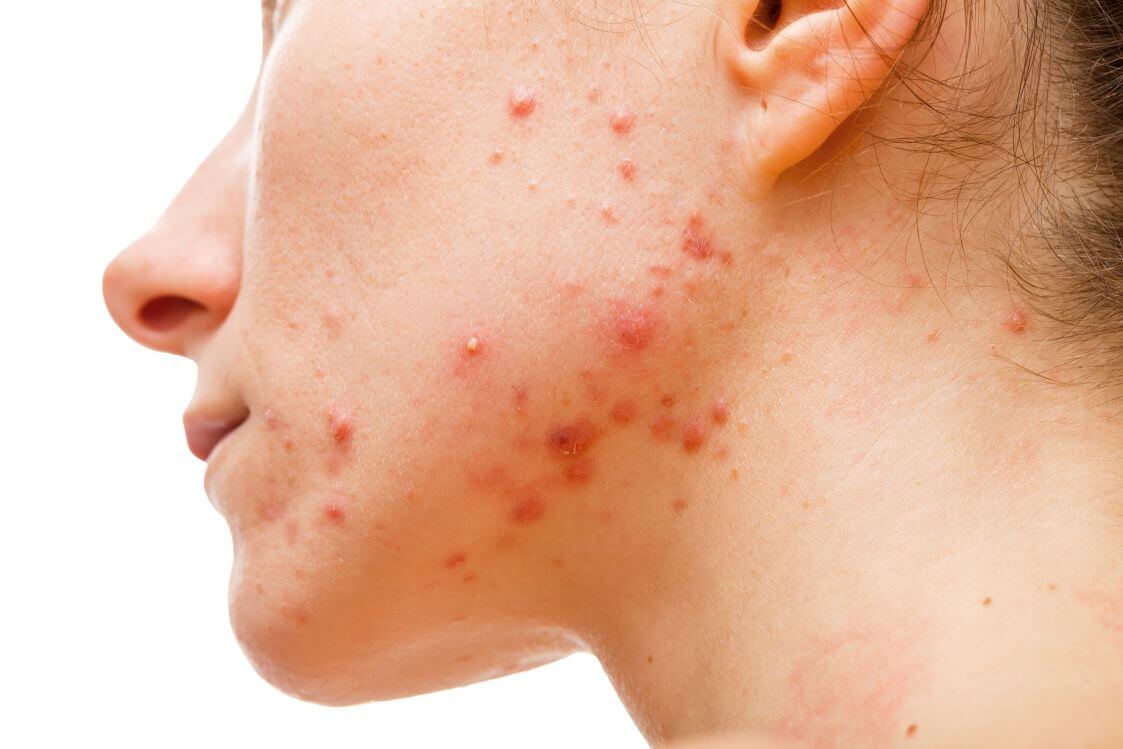
Splash your face with lukewarm water to open pores slightly. Avoid hot water, which can irritate inflamed acne and dry out the skin.
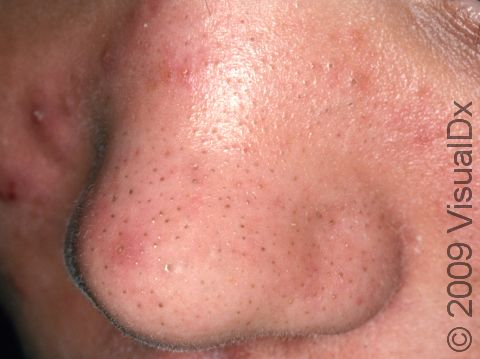
Dispense a pea-sized amount of your non-comedogenic cleanser. CeraVe’s gentle formulas are ideal here because they contain ceramides that help restore the skin’s natural protective barrier.
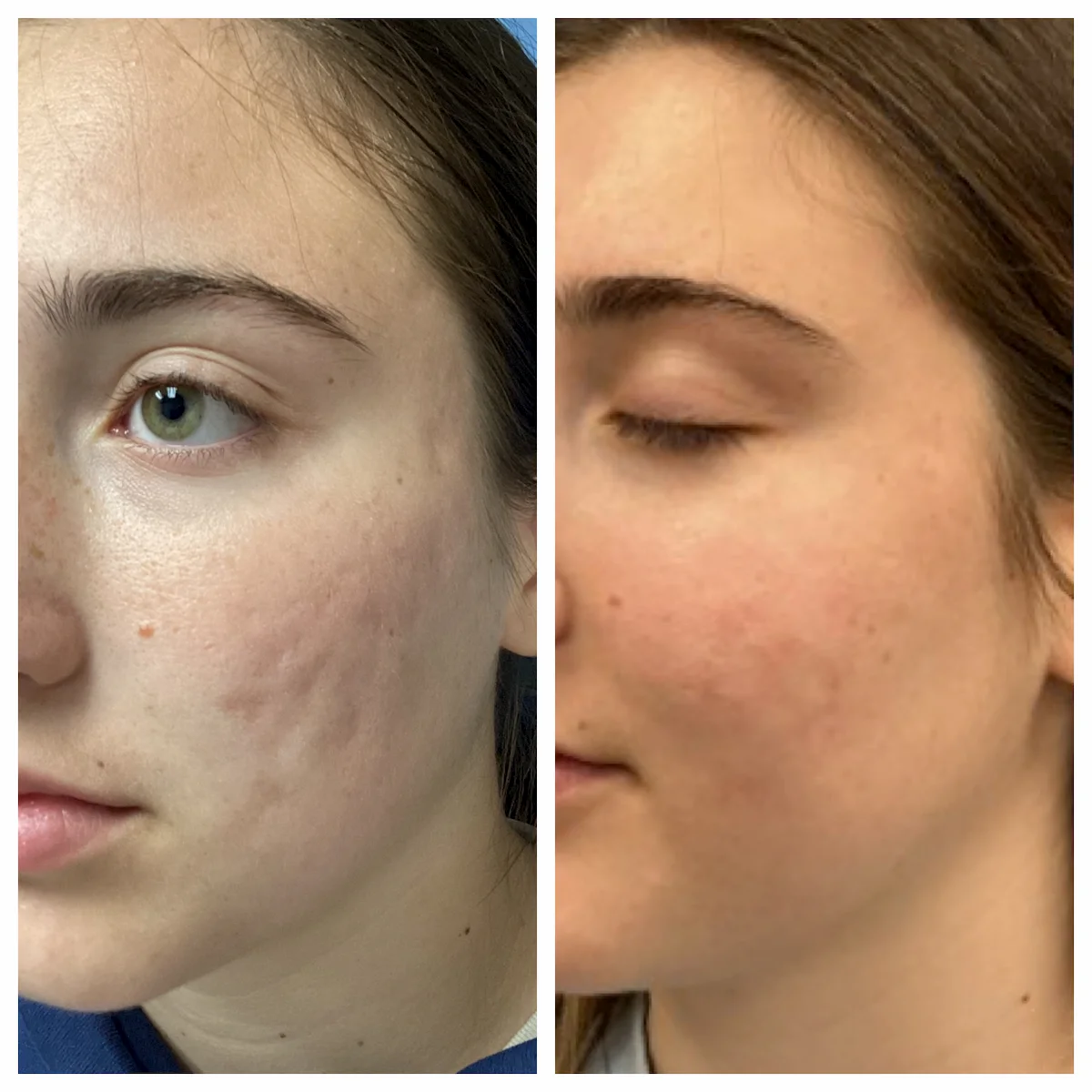
Use your fingertips to massage the cleanser into the skin using gentle, circular motions. Focus on areas prone to breakouts, such as the T-zone, forehead, and chin. Avoid scrubbing harshly, which can aggravate existing pimples.
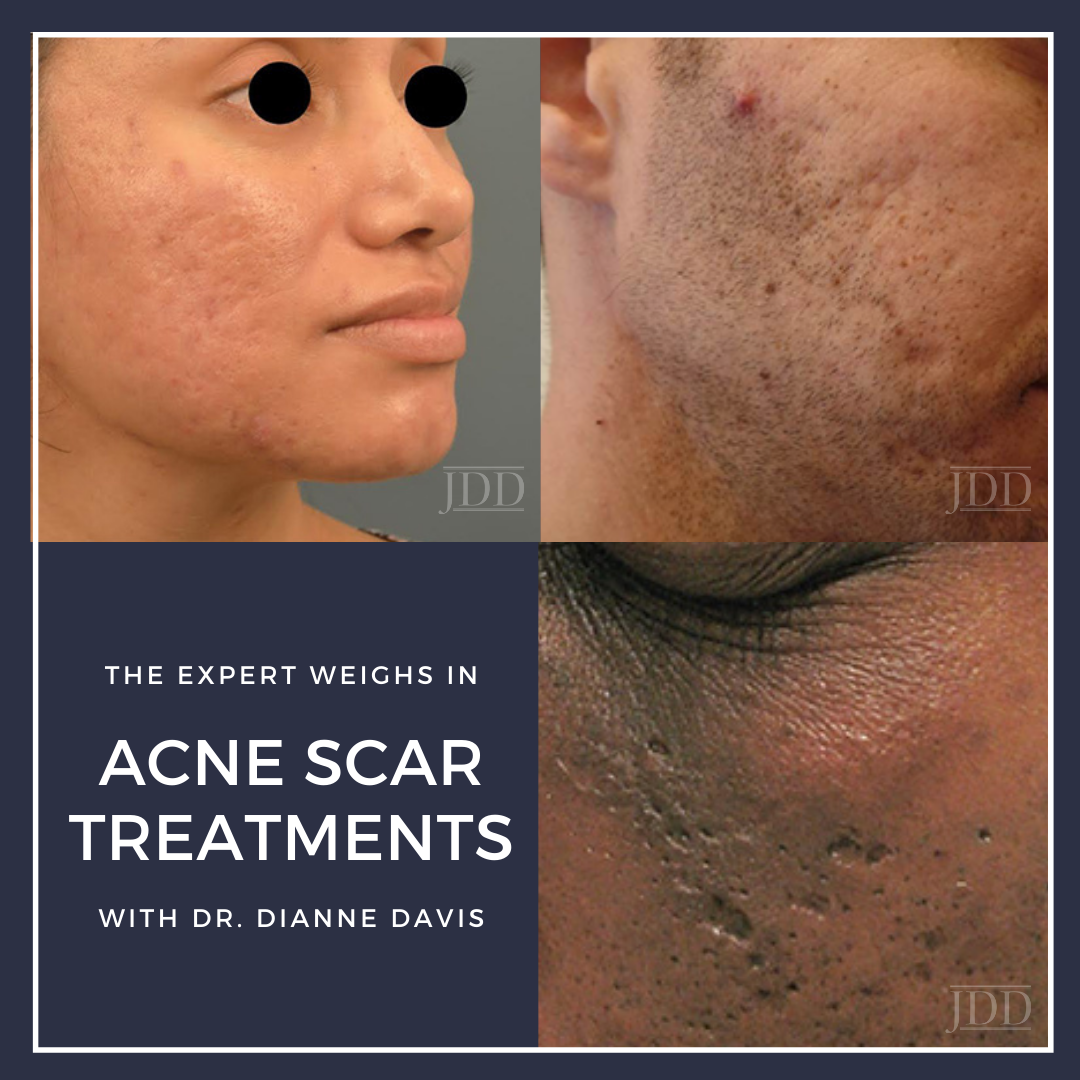
Rinse thoroughly with lukewarm water to remove all residue. Gently pat your face dry with a clean towel. Rubbing can cause micro-tears and increase redness.
This routine establishes a clean canvas. Once your skin is prepped, you can proceed to targeted treatments. Consistency is key; it may take several weeks to see significant improvements in skin clarity.
Apply benzoyl peroxide wash correctly
Acne Resource works best as a clear sequence: define the constraint, compare the realistic options, test the tradeoff, and choose the path with the fewest hidden costs. That order keeps the advice usable instead of decorative. After each step, pause long enough to check whether the recommendation still fits the reader's actual situation. If it depends on perfect timing, unusual access, or a best-case budget, include a simpler fallback.
Compare wash types for your skin
Acne Resource works best as a clear sequence: define the constraint, compare the realistic options, test the tradeoff, and choose the path with the fewest hidden costs. That order keeps the advice usable instead of decorative. After each step, pause long enough to check whether the recommendation still fits the reader's actual situation. If it depends on perfect timing, unusual access, or a best-case budget, include a simpler fallback.
| Factor | What to check | Why it matters |
|---|---|---|
| Fit | Match the option to the primary use case. | A good deal still fails if it does not fit the job. |
| Condition | Verify age, wear, and service history. | Hidden condition issues erase upfront savings. |
| Cost | Compare purchase price with likely upkeep. | The cheapest option is not always the lowest-cost option. |
Manage lifestyle triggers like smoking
Acne Resource works best as a clear sequence: define the constraint, compare the realistic options, test the tradeoff, and choose the path with the fewest hidden costs. That order keeps the advice usable instead of decorative. After each step, pause long enough to check whether the recommendation still fits the reader's actual situation. If it depends on perfect timing, unusual access, or a best-case budget, include a simpler fallback.
The simplest way to use this section is to write down the real constraint first, compare each option against it, and choose the path that still works outside ideal conditions.
Use patches for immediate spot care
Acne Resource works best as a clear sequence: define the constraint, compare the realistic options, test the tradeoff, and choose the path with the fewest hidden costs. That order keeps the advice usable instead of decorative. After each step, pause long enough to check whether the recommendation still fits the reader's actual situation. If it depends on perfect timing, unusual access, or a best-case budget, include a simpler fallback.
The simplest way to use this section is to write down the real constraint first, compare each option against it, and choose the path that still works outside ideal conditions.
When to seek professional laser treatments
If consistent use of benzoyl peroxide and gentle cleansing doesn't clear your breakouts after several weeks, it may be time to consult a dermatologist. While over-the-counter products handle most surface-level issues, persistent acne or scarring often requires stronger, targeted interventions that only a professional can provide.
Laser and light therapies are typically considered secondary treatments for acne that hasn't responded to topical creams or oral medications. These procedures work by targeting the bacteria that cause inflammation or by reducing the size of oil glands. They are not a first-line defense but can be highly effective for stubborn cases.
A dermatologist can evaluate whether you are a candidate for treatments like pulsed dye laser or fractional resurfacing. These options often address both active inflammation and the residual marks left behind by previous breakouts. Because these are medical procedures, they require professional oversight to manage side effects and ensure safety.
Final checklist for your acne routine
Before finishing your evening, review these five points to ensure your routine supports your skin without causing irritation. Consistency matters more than complexity.
Cleanse your face with a mild soap or cleanser and lukewarm water in the morning and evening. Washing more than twice a day can strip natural oils and worsen breakouts.
Apply a thin layer of your active treatment, such as benzoyl peroxide or salicylic acid, only to affected areas. Let it dry fully before adding other products.
Even oily skin needs hydration. Use a non-comedogenic moisturizer to maintain your skin barrier and prevent dryness from acne treatments.
Acne treatments can make skin sensitive to the sun. Apply a broad-spectrum SPF 30+ every morning, even on cloudy days.
Do not squeeze or pick at pimples. This spreads bacteria and increases the risk of scarring. Keep hands away from your face.
If you follow these steps consistently for four to six weeks and see no improvement, consider consulting a dermatologist for personalized care.
Common questions about acne treatment
Managing breakouts often comes down to consistency and understanding how specific ingredients interact with your skin barrier. Below are answers to frequent questions about using benzoyl peroxide, moisturizing, and adjusting your routine.
Can I use Panoxyl and CeraVe together?
Yes, these products work well when layered correctly. Panoxyl contains benzoyl peroxide, which dries out active acne, while CeraVe provides ceramides to restore hydration. Apply the cleanser first, rinse thoroughly, and immediately follow with a CeraVe moisturizer to lock in moisture and prevent excessive dryness.
How long does it take for acne treatments to show results?
Most over-the-counter acne medications require four to eight weeks of consistent use before you see significant improvement. Benzoyl peroxide and salicylic acid work by unclogging pores and reducing bacteria, a process that takes time. If your skin feels overly irritated after two weeks, reduce application frequency rather than stopping completely.
Do lifestyle changes actually help clear acne?
While diet and stress don't cause acne directly, they can worsen inflammation. High-glycemic foods and dairy may trigger breakouts in some people, so tracking your diet can help identify personal triggers. Additionally, changing pillowcases regularly and avoiding touching your face reduces the transfer of bacteria and oil to your skin surface.
No comments yet. Be the first to share your thoughts!