

Key Takeaways on Acne Triggers
While genetics and hormones play a foundational role, daily habits significantly influence whether acne flares or clears. Research consistently points to three major lifestyle drivers: diet, stress, and sleep. These factors don't just appear out of nowhere; they actively disrupt skin health through inflammation and hormonal shifts.
High-glycemic diets and dairy intake are the most cited dietary triggers. Foods that spike blood sugar rapidly can increase insulin and insulin-like growth factor 1 (IGF-1), which in turn boosts oil production and skin cell growth, clogging pores. This connection is supported by dermatological reviews linking Western dietary patterns to higher acne prevalence [1].
Stress and poor sleep quality create a biological environment ripe for breakouts. When the body is stressed, it releases cortisol, a hormone that can stimulate sebaceous glands to produce more sebum. Chronic sleep deprivation further disrupts the skin's repair cycle and immune response, making it harder for the skin to heal existing lesions and fight off bacteria [2].
Diet choices and skin inflammation
Dietary choices directly impact skin inflammation through glycemic load and hormonal responses. High-glycemic foods cause rapid spikes in blood sugar, triggering insulin and IGF-1 release, which increases sebum production and keratinization. To manage this, prioritize whole foods with low glycemic indices, such as legumes, vegetables, and whole grains, while limiting refined sugars and white flour. Dairy, particularly skim milk, has also been linked to acne exacerbation in some studies, possibly due to hormonal content or processing methods. Replacing these triggers with anti-inflammatory foods like omega-3-rich fish, nuts, and colorful vegetables can help reduce systemic inflammation and support clearer skin.
Stress and sleep disruption effects
Stress and sleep disruption create a biological environment conducive to breakouts via hormonal pathways. Cortisol, released during stress, stimulates sebaceous glands to produce more oil, while sleep deprivation impairs the skin's barrier repair and immune function. To mitigate these effects, aim for 7-9 hours of quality sleep per night and establish a consistent sleep schedule. Incorporate stress-reduction techniques such as mindfulness meditation, deep breathing exercises, or regular physical activity. These practices help regulate cortisol levels and support the skin's natural healing processes, reducing the frequency and severity of inflammatory acne lesions.
Environmental and hygiene habits
Environmental factors and hygiene practices play a supportive role in acne management by preventing pore clogging and bacterial irritation. Use non-comedogenic skincare and makeup products to avoid blocking pores. Cleanse your face gently twice daily with a mild, pH-balanced cleanser; avoid harsh scrubbing, which can damage the skin barrier and worsen inflammation. Change pillowcases and towels frequently to reduce exposure to bacteria and oil buildup. Additionally, keep hair products away from the face, as some ingredients can contribute to breakouts along the hairline and forehead.
Practical steps for clearer skin
Integrating lifestyle changes into your daily routine requires consistency rather than perfection. The goal is to create a sustainable pattern that supports your skin’s natural barrier, reducing the frequency and severity of breakouts over time.
Start with small, manageable adjustments. Instead of overhauling your entire diet overnight, swap one high-glycemic food for a whole-grain alternative. Similarly, establish a consistent sleep schedule by setting a fixed bedtime and wake-up time, even on weekends. These minor shifts accumulate, helping to regulate cortisol levels and insulin spikes that can trigger inflammation.
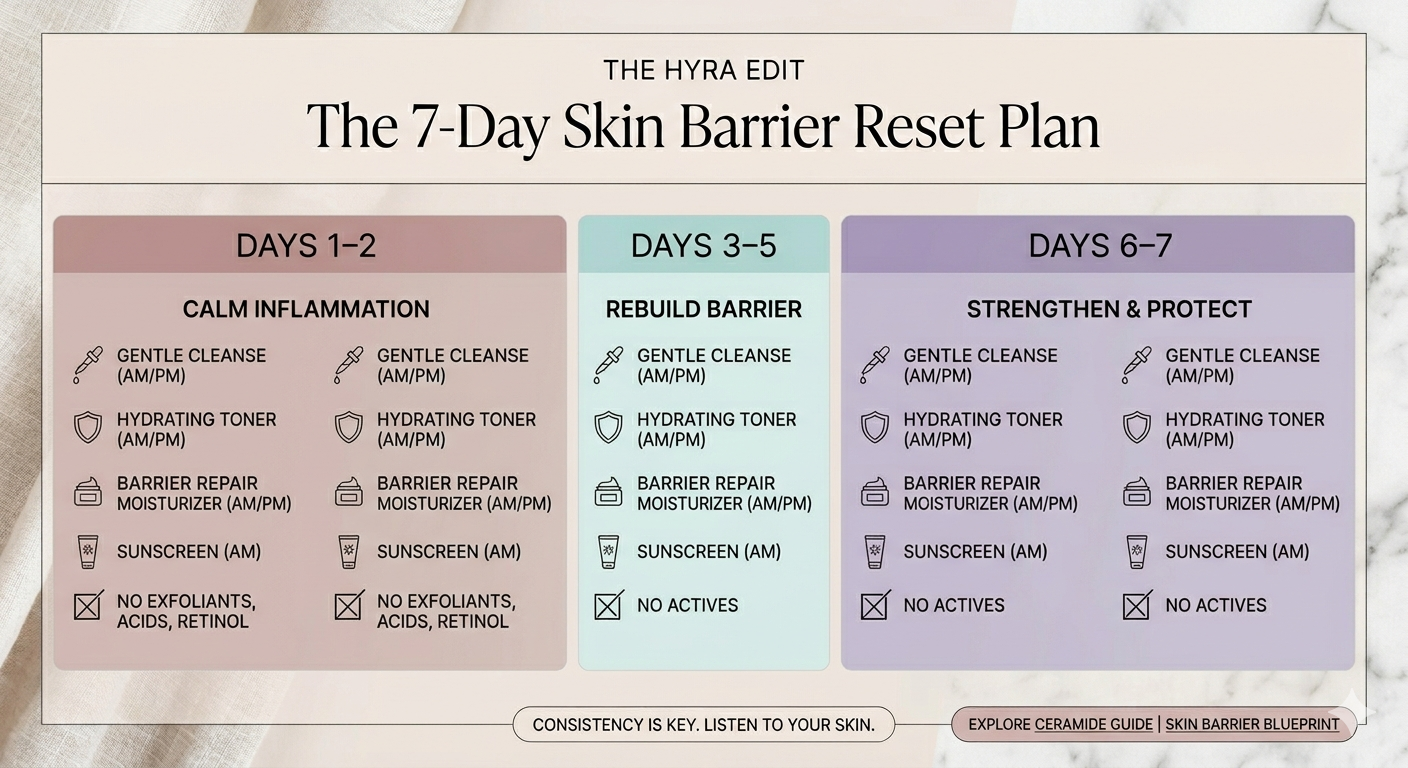
Hydration and gentle skincare are equally important. Drink water throughout the day to support skin elasticity and detoxification, but avoid aggressive scrubbing which can irritate active acne. Use non-comedogenic products to prevent pore clogging without stripping the skin of its natural oils.
Stress management is another critical component. Incorporate ten minutes of mindfulness or deep breathing into your morning or evening routine. Research suggests that chronic stress exacerbates acne by increasing sebum production, making these small pauses a practical tool for long-term skin health Electrodermatology. By focusing on these foundational habits, you build a resilient routine that addresses acne from the inside out.
Common questions about acne triggers
People often blame lifestyle habits for breakouts, but the evidence is more nuanced than popular culture suggests. Understanding what actually influences skin health helps separate fact from persistent myths.
Does chocolate cause acne?
The idea that chocolate directly triggers acne is a common myth. While high-glycemic diets—those rich in refined sugars and white flour—can spike insulin and potentially worsen breakouts, specific foods like chocolate have not been consistently proven to be direct causes. Moderation is key, but eliminating chocolate alone rarely resolves acne if other triggers are present.
How does stress affect breakouts?
Stress does not cause acne on its own, but it can significantly worsen existing conditions. When you are stressed, your body releases cortisol, a hormone that can increase oil production in the skin. This excess oil, combined with inflammation, can make acne more severe and harder to treat. Managing stress through sleep, exercise, or mindfulness can help keep hormonal fluctuations in check.
Is poor hygiene the main cause of acne?
No. The belief that acne is caused by "dirty skin" is a persistent myth. Acne is primarily a medical condition involving hair follicles and oil glands beneath the skin's surface, not a result of lack of cleanliness. Over-washing or using harsh scrubs can actually irritate the skin and make acne worse. Gentle cleansing is sufficient; aggressive hygiene practices do not prevent breakouts.
No comments yet. Be the first to share your thoughts!