
Choosing the Right Acne Treatment for Your Budget and Skin Type
Finding effective acne care usually means balancing cost, skin sensitivity, and the specific type of breakouts you’re dealing with. Whether you are managing occasional breakouts or dealing with persistent congestion, the right approach depends on your budget and how your skin reacts to active ingredients.
For mild acne, over-the-counter cleansers with salicylic acid or benzoyl peroxide are often the most cost-effective starting point. Products like CeraVe Acne Foaming Cream Cleanser offer a gentle introduction to active ingredients without the high price tag of prescription treatments. These options are ideal for those on a tight budget or with sensitive skin that cannot tolerate harsher medications.
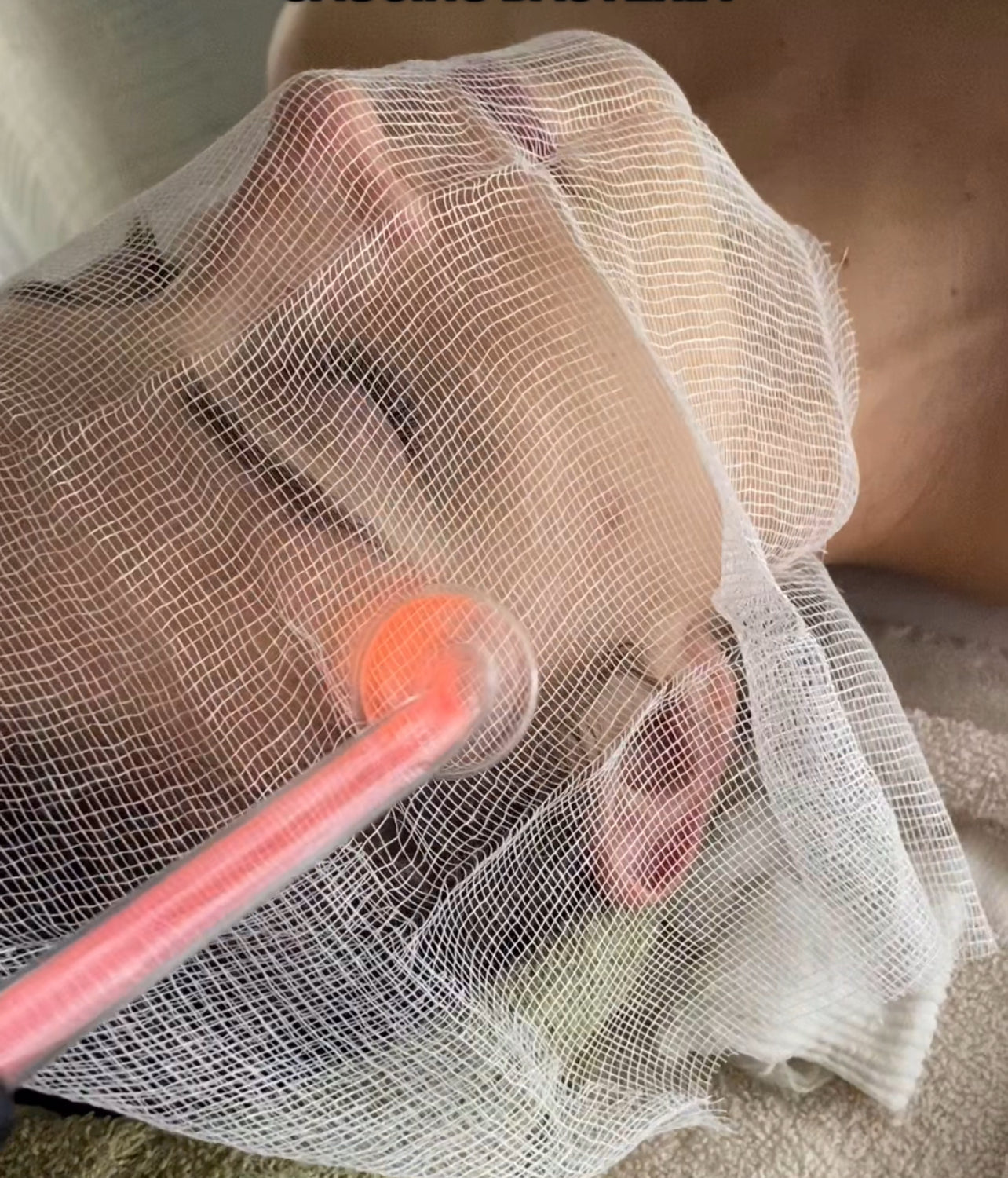
If over-the-counter options do not provide relief, clinical treatments like laser therapy or prescription-strength topicals may be necessary. While laser treatments offer long-term results, they come with a significantly higher upfront cost and often require multiple sessions. For many, the tradeoff is between immediate, affordable daily care and a more expensive, long-term clinical solution.
When selecting a product, look for non-comedogenic labels and avoid those with heavy fragrances or oils, which can worsen congestion. Starting with a simple routine—a gentle cleanser and a non-comedogenic moisturizer—allows you to assess your skin’s tolerance before layering in stronger actives. This methodical approach helps prevent the trial-and-error spending that often leads to frustration and wasted money.
Shortlist real options
When navigating the intersection of cannabis use and acne, the goal is to identify treatments that address both excess oil production and inflammation. The American Academy of Dermatology notes that nonprescription options often serve as the first line of defense for mild to moderate breakouts, focusing on ingredients that clear pores and reduce bacteria [src-serp-2]. For those managing skin changes potentially linked to hormonal shifts or inflammation from cannabis use, choosing the right cleanser and treatment strategy is essential.
This section compares the strongest over-the-counter resources, focusing on established active ingredients like benzoyl peroxide and salicylic acid. Rather than relying on vague "cleansing" claims, we look at products with specific concentrations and formulations that dermatologists frequently recommend. The table below outlines the key differences between popular cleansers and topical treatments, helping you select the right tool for your specific skin type and severity of acne.
| Product Type | Key Active | Best For | Caution |
|---|---|---|---|
| Benzoyl Peroxide Cleanser (e.g., Panoxyl) | Benzoyl Peroxide (4%-10%) | Inflammatory acne and bacteria reduction | Can bleach fabrics and dry skin |
| Salicylic Acid Cleanser (e.g., CeraVe SA) | Salicylic Acid (2%) | Clogged pores and blackheads | May cause initial purging |
| Nicotinamide Cleanser | Nicotinamide (Vitamin B3) | Sensitive skin and redness | Generally well-tolerated |
| Topical Retinoid (OTC Adapalene) | Adapalene (0.1%) | Preventing comedones and long-term control | Requires sun protection; not for pregnancy |
Inspect the expensive parts
Before committing to laser procedures or prescription regimens, evaluate the failure points that drain your budget without clearing skin. The combination of creatine and cannabis often triggers specific inflammatory pathways that standard cleansers miss. If your routine isn't addressing these root causes, expensive treatments will likely fail to deliver lasting results.
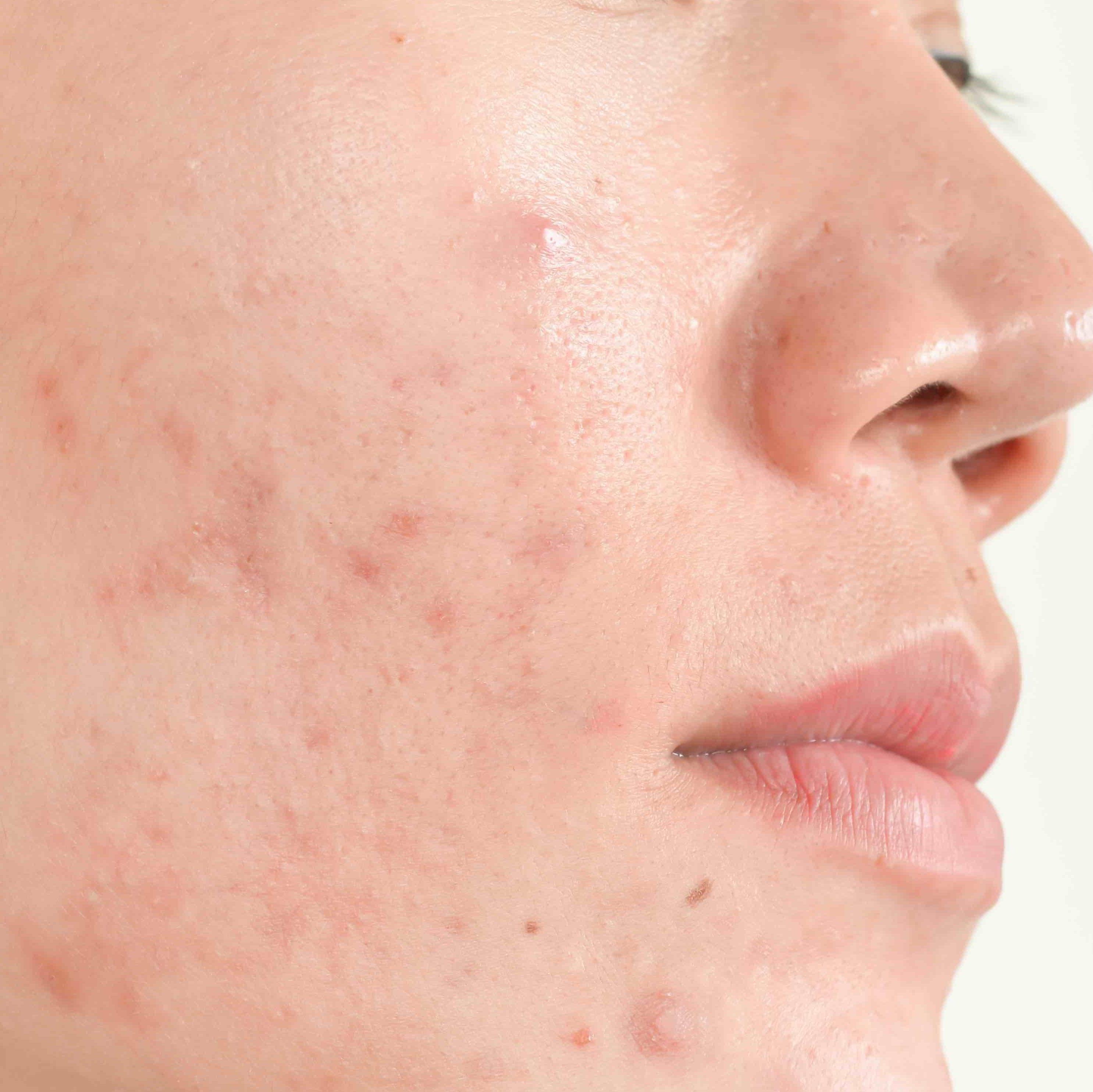
Many over-the-counter washes contain heavy oils or sulfates that strip the skin barrier. When your skin is irritated from cannabis-induced dryness or creatine-related sweat, a harsh cleanser worsens inflammation. Look for non-comedogenic formulas with salicylic acid or benzoyl peroxide to keep follicles clear without compromising your moisture barrier.
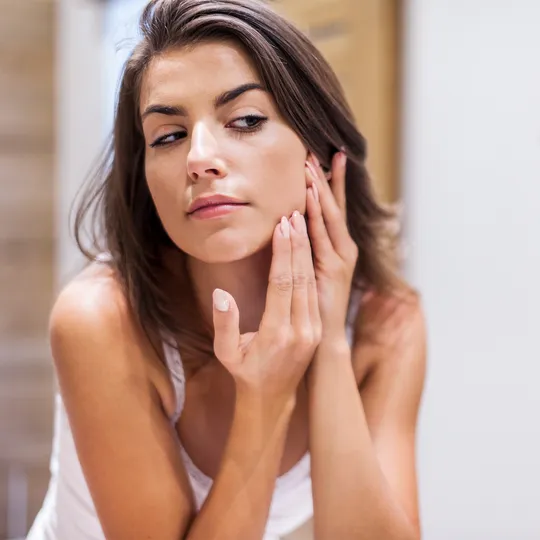
Cannabis edibles and creatine supplements can alter sebum production, making you more sensitive to pore-clogging ingredients. Inspect your moisturizers and sunscreens for coconut oil, cocoa butter, or isopropyl myristate. These common additives trap debris in pores, turning mild congestion into painful cystic acne that requires professional intervention.
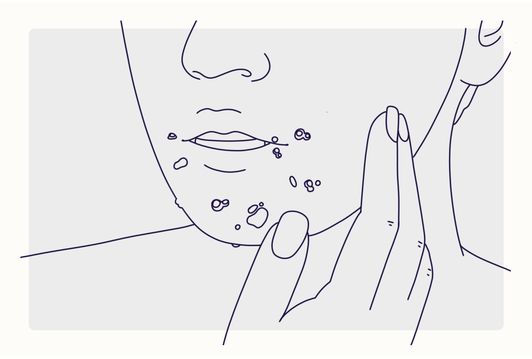
Creatine increases water retention and sweat output, creating a breeding ground for bacteria if left on the skin. Immediately shower after using creatine or exercising. If you cannot shower, use alcohol-free acne wipes to remove sweat and oil from your face and back before the pores have a chance to clog.
Dehydrated skin overproduces oil to compensate, exacerbating acne caused by both creatine and cannabis. Ensure you are drinking enough water to support creatine's cellular hydration demands. Proper hydration helps flush toxins and keeps skin pliable, reducing the likelihood of breakouts triggered by internal inflammation.
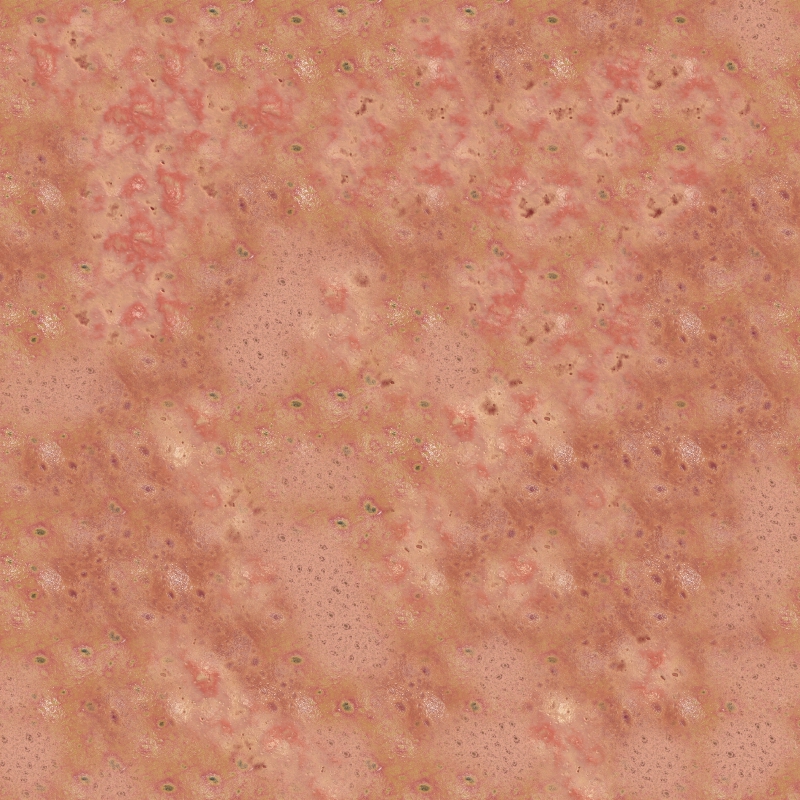
If your acne persists despite these adjustments, it may require professional treatment. A dermatologist can prescribe topical retinoids or antibiotics that target the specific inflammatory response linked to your supplement and cannabis use. Do not attempt to self-treat severe cystic acne with over-the-counter products alone.
The American Academy of Dermatology notes that consistent, gentle cleansing is the foundation of acne management. By inspecting these expensive failure points first, you ensure that any subsequent treatments or product purchases are built on a clear, healthy baseline.
Plan for ownership costs
The initial price tag on a cleanser or laser session is rarely the final cost. True ownership costs include the recurring expense of replacement products, the time spent on daily maintenance, and the potential for hidden fees if a treatment requires multiple sessions to be effective.
The recurring cost of maintenance
Most effective acne cleansers, like Panoxyl or CeraVe, require consistent daily use to prevent breakouts. If you stop using them, the skin often returns to its previous state. This means the product is not a one-time purchase but a monthly subscription to clear skin. Calculate the annual cost of your current routine to see how much it adds up over time.
When cheap stops being cheap
A low-priced product might seem like a bargain, but if it irritates your skin or fails to clear acne, you may need to buy additional treatments. This includes spot creams, extra cleansers, or even professional laser sessions to fix the damage. Always factor in the cost of potential corrective measures before committing to a budget option.
Laser treatment hidden fees
Laser treatments often require 3-6 sessions for optimal results. The quoted price is usually for a single session. Ask for the total package cost upfront. Additionally, some clinics charge for pre-treatment consultations or follow-up visits, which can significantly increase the overall investment.
Acne resource: what to check next
You might wonder if the combination of creatine and cannabis is the sole culprit behind your breakouts, or if other factors are at play. Creatine can increase insulin-like growth factor 1 (IGF-1), which may boost sebum production, while cannabis often introduces inflammatory compounds or dietary changes that exacerbate existing acne. Understanding this interplay helps you decide whether to adjust your supplement stack or your skincare routine first.
Choosing the right cleanser depends on your skin’s sensitivity and the severity of your acne. Products like Panoxyl use benzoyl peroxide to kill acne-causing bacteria, while CeraVe offers gentle, ceramide-based options that restore the skin barrier without stripping moisture. For persistent cases, dermatologists often recommend professional treatments like laser therapy or chemical peels to target deeper inflammation that topical creams alone cannot reach.
No comments yet. Be the first to share your thoughts!