
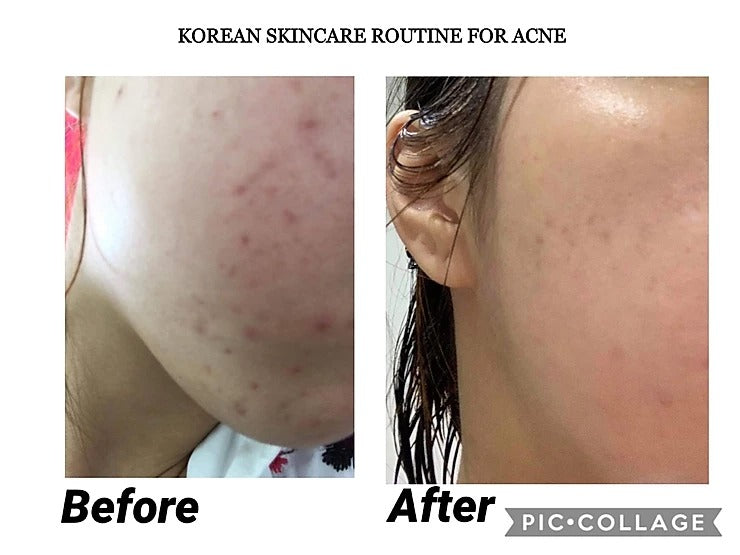

Direct answer: pick your active ingredient
Choosing between Panoxyl and CeraVe Acne Wash depends on your skin’s tolerance and the specific type of acne you are treating. Start by identifying whether your breakouts are driven by bacteria (inflammatory acne) or clogged pores (comedonal acne). This distinction determines whether you need the antibacterial power of benzoyl peroxide or the pore-penetrating exfoliation of salicylic acid.
Side by side: Panoxyl and CeraVe specs
Panoxyl and CeraVe represent two distinct approaches to treating breakouts. Panoxyl relies on benzoyl peroxide to kill acne-causing bacteria, while CeraVe uses salicylic acid to unclog pores and ceramides to protect the skin barrier. Understanding these differences helps you pick the right tool for your specific skin type.
The following table compares the primary specifications of both products. This comparison highlights the trade-offs between potent antibacterial action and gentle, barrier-supporting exfoliation.
| Feature | Panoxyl (Benzoyl Peroxide) | CeraVe (Salicylic Acid) |
|---|---|---|
| Active Ingredient | Benzoyl Peroxide (4%–10%) | Salicylic Acid 0.5% |
| Primary Action | Kills bacteria, reduces inflammation | Exfoliates pores, prevents clogs |
| Skin Type | Oily, acne-prone, resistant skin | Normal to oily, sensitive skin |
| Key Additives | Fragrance-free variants available | Ceramides, Niacinamide, Hyaluronic Acid |
| Common Side Effects | Dryness, peeling, fabric bleaching | Mild dryness, tightness |
| Price Range (5.5 oz) | $8–$12 | $10–$15 |
Both cleansers are widely available and frequently top best-seller lists for facial cleansing washes. Panoxyl is often ranked higher for severe acne due to its higher concentration of benzoyl peroxide, which is clinically proven to reduce Cutibacterium acnes bacteria. CeraVe is preferred by those with sensitive skin or those using other drying acne treatments, as its formula is non-comedogenic and includes ingredients to restore the skin barrier.
When to choose benzoyl peroxide
Benzoyl peroxide is the go-to active ingredient when acne is driven by bacteria. It works by releasing oxygen into the pores, creating an environment where acne-causing bacteria struggle to survive. For those whose breakouts are characterized by inflamed, red, or pus-filled pimples, this antibacterial action makes it one of the most effective options available.
Panoxyl products leverage this mechanism to target active breakouts directly. Unlike salicylic acid, which exfoliates the surface, benzoyl peroxide penetrates deeper to address the root cause of inflammatory acne. This makes it particularly useful for sudden flare-ups or persistent cystic acne that doesn't respond to surface-level treatments.
However, this potency comes with trade-offs. Benzoyl peroxide is known to be drying and can irritate sensitive skin if used too frequently. It also has a strong bleaching effect on fabrics, meaning it can lighten towels, pillowcases, and clothing upon contact. Users should start with a lower concentration and rinse thoroughly to minimize dryness while still benefiting from its powerful antibacterial properties.
When to choose salicylic acid or gentle cleansers
Salicylic acid, the primary component in CeraVe’s acne wash, works by penetrating pores to dissolve excess oil and dead skin cells. It is a chemical exfoliant that targets the root causes of breakouts, making it a strong choice for clogged pores and blackheads.
However, salicylic acid can be drying or irritating, especially for those with sensitive skin or a compromised moisture barrier. If you experience redness, tightness, or peeling after using strong acne treatments, a gentler approach may be necessary. CeraVe and similar gentle cleansers focus on maintaining the skin’s natural barrier while providing mild cleansing. They often contain ceramides and hyaluronic acid, which help retain moisture and support skin health without harsh exfoliation.
For mild acne or maintenance, a gentle cleanser can prevent future breakouts without stripping the skin. For active, inflamed acne, a salicylic acid wash may offer more direct treatment. Consider your skin’s current state and tolerance levels when selecting a cleanser for your routine.
Lifestyle factors that worsen breakouts
Skincare products are only one part of managing acne. Factors such as diet, stress, and hygiene can significantly impact breakouts. High-glycemic foods and dairy have been linked to increased acne severity in some individuals. Additionally, changing pillowcases regularly and avoiding touching your face can reduce bacterial transfer. Consistency in your skincare routine is crucial; switching products too frequently can disrupt your skin barrier and worsen breakouts.
No comments yet. Be the first to share your thoughts!