
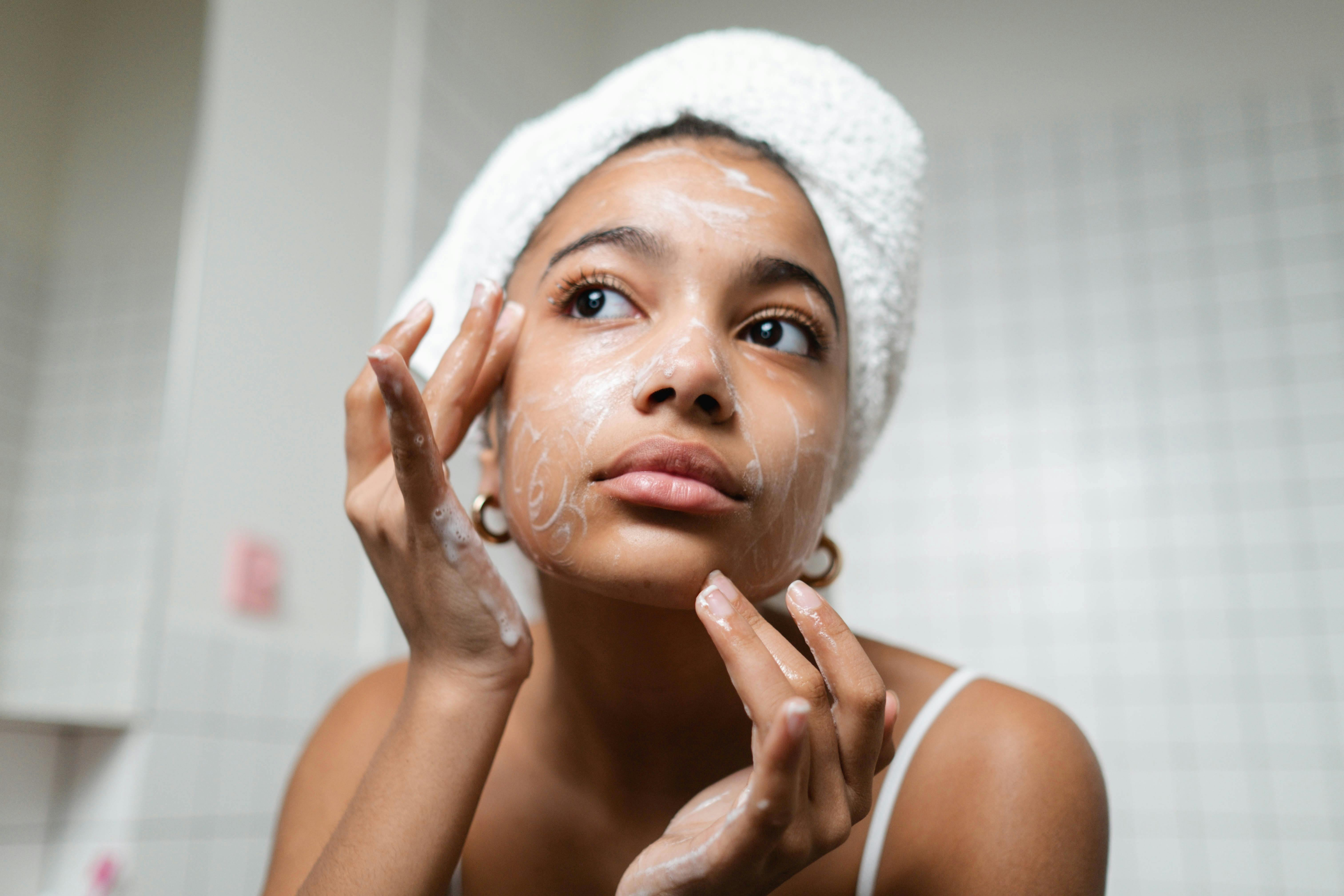

Narrow down the problem
Acne isn't one condition; it's a cluster of different skin issues that look similar but require different treatments. Mixing up blackheads with cystic inflammation is the most common mistake people make when starting a protocol with Panoxyl or CeraVe. Using a benzoyl peroxide wash on dry, sensitive skin that isn't actually acne-prone will only cause irritation, not clarity.
Start by checking the type of breakouts you get. Blackheads and whiteheads are closed comedones caused by clogged pores. They respond well to salicylic acid or gentle benzoyl peroxide. If you have red, painful bumps deep under the skin, those are inflammatory papules or pustules. These need anti-bacterial agents like Panoxyl to kill the surface bacteria driving the infection. Cystic acne, which feels hard and tender, often requires professional laser or light therapy because topical washes can't reach deep enough.
Your skin type dictates how you use these products. Oily skin can handle the foaming action of CeraVe Foaming Facial Cleanser or a 4% Panoxyl wash daily. Dry or sensitive skin needs the non-foaming CeraVe Hydrating Cleanser paired with a lower strength benzoyl peroxide, used only every other day. If you are unsure, patch test a small area for three days before applying a full face regimen. Identifying your specific acne type and skin tolerance is the only way to avoid wasting time on ineffective treatments.

Run these checks
Use this section to make the The Acne Protocol decision easier to compare in real life, not just on paper. Start with the reader's actual constraint, then separate must-have requirements from details that are merely nice to have. A practical choice should survive normal use, maintenance, timing, and budget. If a recommendation only works in an ideal situation, call that out plainly and give the reader a fallback path.
-
Verify the basicsConfirm the core specs, condition, and fit before comparing extras.
-
Price the downsideLook for the repair, maintenance, or replacement cost that would change the decision.
-
Compare alternativesCheck at least two comparable options before treating one listing as the benchmark.
What usually fixes it
Acne rarely disappears with a single miracle step. It typically requires a combination of targeted topicals, consistent cleansing, and, for stubborn cases, professional procedures. The goal is to unclog pores, reduce inflammation, and prevent new breakouts from forming.
Topical Treatments
For most people, over-the-counter benzoyl peroxide or salicylic acid is the first line of defense. Benzoyl peroxide kills acne-causing bacteria and reduces inflammation, while salicylic acid exfoliates inside the pore. These ingredients work best when applied to clean, dry skin.
Professional Procedures
When topicals aren't enough, in-office treatments like laser therapy or chemical peels can accelerate results. These procedures target deeper layers of the skin, reducing oil production and smoothing texture. They are often used in conjunction with home care for lasting impact.
Consistent Cleansing
A gentle, non-comedogenic cleanser removes excess oil and debris without stripping the skin barrier. Harsh scrubs can worsen inflammation, so a mild formula is essential. Look for products labeled "non-comedogenic" to ensure they won't clog pores.
When to See a Dermatologist
If acne persists after three months of consistent home care, or if it leaves scars, consult a dermatologist. They can prescribe stronger topical retinoids, oral antibiotics, or hormonal treatments tailored to your specific skin type and acne severity.
Acne face wash: what to check next
Finding the right cleanser is the first step in any acne protocol. Whether you are pairing a wash with PanOxyl and CeraVe or adding laser treatment, the choice of face wash matters. Here are answers to the most common questions readers ask before making a decision.
No comments yet. Be the first to share your thoughts!