

Creatine acne budget
Managing acne triggered by creatine or cannabis use requires balancing product efficacy with your daily routine. The goal isn't just to clear skin, but to find a sustainable regimen that doesn't break the bank or complicate your lifestyle. Since creatine can increase cell turnover and sweating, and cannabis may influence oil production, your face wash needs to be effective without stripping your barrier.
Gentle cleansers for sensitive skin
If your acne is mild or inflammatory, a gentle, non-foaming cleanser is often the best starting point. These products remove excess oil and sweat from creatine supplementation without causing irritation that could worsen breakouts. Look for ceramide-based or hydrating formulas that maintain skin integrity while cleaning.
Salicylic acid for clogged pores
For comedonal acne (blackheads and whiteheads) potentially linked to increased cell turnover, a salicylic acid wash is a practical choice. Salicylic acid is oil-soluble, meaning it can penetrate pores to dissolve sebum and dead skin cells. Use this 2-3 times a week to avoid over-drying, which can trigger more oil production.
Benzoyl peroxide for bacterial acne
When acne becomes inflamed or cystic, benzoyl peroxide targets the bacteria associated with breakouts. It is particularly useful if you notice sudden flare-ups after starting creatine or increasing cannabis use. Start with a lower concentration (2.5% or 5%) to minimize initial redness and peeling.
Pricing and choices that change the plan
You don't need luxury skincare to manage these specific triggers. Drugstore options with the active ingredients mentioned above are often just as effective as high-end brands. Focus on consistency rather than cost. If mild cleansers don't work after four weeks, step up to salicylic acid or benzoyl peroxide. Always patch test new products to ensure they don't interact negatively with your current routine.
Shortlist real options
2026 guide: Does Creatine and Weed Use Trigger Acne? Plus Best Face Washes & Laser Treatments works best as a clear sequence: define the constraint, compare the realistic options, test the tradeoff, and choose the path with the fewest hidden costs. That order keeps the advice usable instead of decorative. After each step, pause long enough to check whether the recommendation still fits the reader's actual situation. If it depends on perfect timing, unusual access, or a best-case budget, include a simpler fallback.
| Factor | What to check | Why it matters |
|---|---|---|
| Fit | Match the option to the primary use case. | A good deal still fails if it does not fit the job. |
| Condition | Verify age, wear, and service history. | Hidden condition issues erase upfront savings. |
| Cost | Compare purchase price with likely upkeep. | The cheapest option is not always the lowest-cost option. |
Inspect the expensive parts
2026 guide: Does Creatine and Weed Use Trigger Acne? Plus Best Face Washes & Laser Treatments works best as a clear sequence: define the constraint, compare the realistic options, test the tradeoff, and choose the path with the fewest hidden costs. That order keeps the advice usable instead of decorative. After each step, pause long enough to check whether the recommendation still fits the reader's actual situation. If it depends on perfect timing, unusual access, or a best-case budget, include a simpler fallback.
Plan for ownership costs
The immediate price tag on creatine or cannabis is rarely the only cost you pay when acne appears. The real expense shows up in the treatments, skincare products, and time you spend managing the breakouts. What starts as a $30 monthly supplement or a casual habit can quickly require a regimen of prescription topicals, daily gentle cleansers, and dermatologist visits.
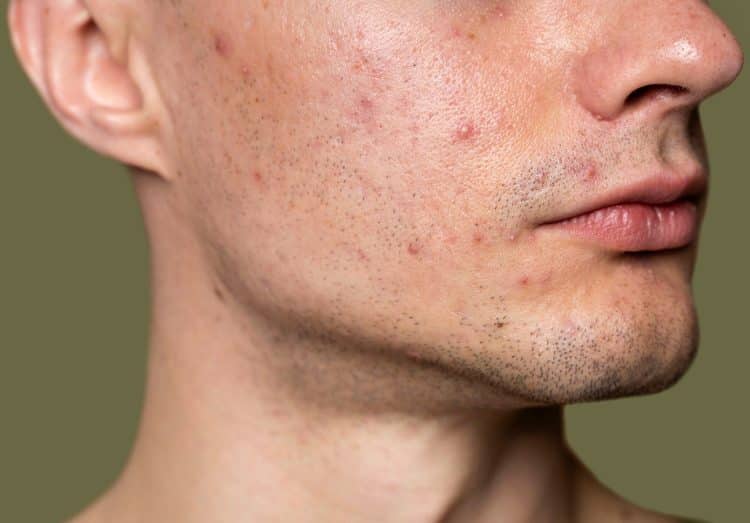
You also need to account for the "maintenance surprises." If creatine triggers cystic acne, as some dermatologists note due to increased cell turnover and collagen levels, you may need to stop the supplement entirely. That means losing the performance benefits while still dealing with the skin damage. Similarly, if weed use exacerbates oil production or inflammation, quitting doesn't immediately clear your skin. You might spend weeks or months on purging products and barrier-repair creams before seeing results.
A cheap buy stops being cheap when the downstream costs outweigh the initial savings. If you find yourself buying new face washes, spot treatments, and covering-up makeup every month to hide acne caused by these substances, the long-term financial and emotional toll is significant. The most expensive option is often the one that requires a complete lifestyle reversal to fix.
Creatine and acne: common: what to check next
Many people worry that adding creatine to their routine will trigger breakouts or ruin their skin. The short answer is that creatine itself is not a direct cause of acne for most users. However, individual reactions vary, and the way you take it can influence your skin health.
Is creatine good for hormonal acne?
Creatine is not a treatment for hormonal acne. While some users report clearer skin due to improved hydration or reduced stress on the body, there is no clinical evidence that creatine regulates hormones like testosterone or cortisol in a way that reduces acne. If your acne is driven by hormonal fluctuations, creatine supplementation will not address the root cause.
Can creatine make your skin clear?
For some, creatine may indirectly support clearer skin by improving muscle hydration and reducing systemic inflammation, which can sometimes manifest as better skin appearance. However, others experience breakouts. The effect is highly individual. If you notice your skin clearing up after starting creatine, it may be due to better overall health or hydration rather than the supplement itself.
Does creatine get rid of pimples?
No, creatine does not have acne-fighting properties. It is not a topical treatment or an oral medication for acne. If you are using creatine to clear existing pimples, it will not work. In fact, some users report new breakouts, possibly due to increased sweating, changes in diet, or hormonal shifts associated with intense training.
Will creatine affect your face?
Creatine can affect your face if you are prone to breakouts. While the supplement itself does not directly cause acne, it can lead to increased water retention, which might make facial puffiness more noticeable. Additionally, if creatine use leads to more intense workouts and sweating, this can clog pores if not washed off properly, potentially leading to acne on the face and body.
No comments yet. Be the first to share your thoughts!