

The collagen paradox
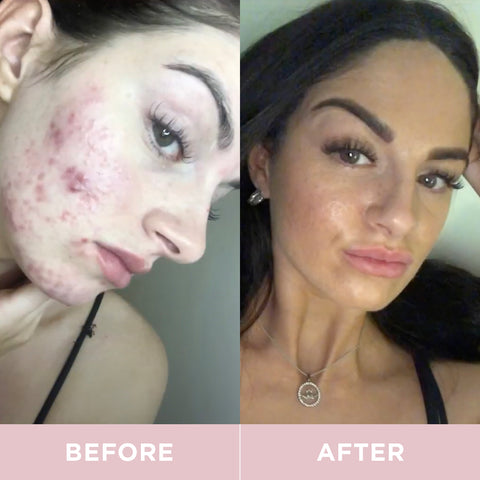
Collagen supplements have exploded in popularity recently. You see them marketed for everything from boosting skin elasticity and reducing joint pain to improving gut health and even aiding athletic recovery. Many people swear by them, and report noticeable improvements in these areas. But a growing number of users are reporting a less desirable side effect: acne breakouts.
It’s a frustrating paradox. Something intended to improve skin health is, for some, actively causing skin problems. While anecdotal reports have circulated for a while, the scientific understanding is still catching up. It’s important to remember that just because collagen works wonders for one person doesn’t guarantee the same results for everyone.
We’re starting to see more attention paid to this potential link, and the clinical trial NCT07516756 – the Effect of Collagen Peptides on Skin Health – offers a glimmer of hope for more concrete answers. This trial, registered on ClinicalTrials.gov, is actively investigating the impact of collagen peptides on various skin health markers, and could provide valuable data to help us understand the full picture. It's not specifically focused on acne, but it's a crucial step in understanding collagen’s impact on skin.
Protein and pores
The connection between collagen and acne often boils down to the idea of "supplement-induced acne.’ The basic principle is that increasing your overall protein intake, even from seemingly ‘clean" sources, can have hormonal consequences. Higher protein levels can stimulate the release of insulin and insulin-like growth factor 1 (IGF-1). These hormones, in turn, can boost sebum production.
Sebum is the oily substance your skin naturally produces. While it’s essential for keeping skin hydrated, excess sebum can contribute to clogged pores. Clogged pores are a breeding ground for Cutibacterium acnes – the bacteria often associated with acne. It's a fairly straightforward chain of events, in theory.
This happens often with whey protein because it digests so fast. Collagen is still a protein, and your body breaks it down into the same amino acids. We don't know yet if collagen's metabolic pathway is different enough to avoid the same hormonal spike. If you try it, stay hydrated and watch your skin closely for a week.
It’s not a settled science, though. There’s a lot of individual variability at play, and the amount of protein needed to trigger a response varies significantly from person to person. Genetics, diet, and existing hormonal balance all play a role. It's not a simple cause-and-effect relationship.
- Drink more water than usual to help your kidneys process the extra protein.
- Choose high-quality collagen
- Monitor your skin’s reaction
Types and patterns
Most supplements use Type I collagen because it is the most abundant in our skin and hair. Type II usually goes into joint formulas, while III and V support connective tissues. There is no clear evidence yet that one specific type triggers more acne than the others.
The form of collagen also matters. Hydrolyzed collagen peptides are more easily absorbed by the body than straight collagen powder. But does this difference in absorption rate affect the likelihood of breakouts? The data is currently lacking. We also see both marine collagen (derived from fish) and bovine collagen (derived from cows) on the market. Are there differences in how these sources impact skin?
Much of what we know right now is based on observational reports from users. Many people report breakouts appearing on their face, but others experience them on their back, chest, or shoulders. This suggests the issue isn't solely localized to areas with high concentrations of sebaceous glands. It’s a messy picture, and more research is needed to identify any clear patterns.
The creatine connection
It’s common for people to combine collagen supplementation with creatine, particularly those involved in strength training. Creatine is well-established as a potential acne trigger, largely due to its impact on dihydrotestosterone (DHT) levels and inflammation. DHT is an androgen that stimulates sebum production, while inflammation can exacerbate acne.
Does combining creatine and collagen significantly increase the risk of breakouts? It’s a valid concern. The synergistic effect of two potentially acne-inducing supplements could be greater than the sum of their parts. Creatine’s effects on DHT could potentially amplify any sebum-boosting effects of collagen.
Don't assume the supplements are the only cause. Diet, stress, and genetics are usually involved too. It is rarely a simple case of one pill causing one pimple.
How to test it safely
If you’re considering trying collagen but are concerned about potential breakouts, there are steps you can take to minimize your risk. Start with a low dosage and gradually increase it over time, paying close attention to your skin’s reaction. Consider cycling your collagen intake – taking it for a few weeks, then taking a break.
Timing could also be a factor. Some experts recommend taking collagen with meals to slow down absorption and potentially reduce the hormonal impact. Wellbeing Nutrition also stresses the importance of hydration and choosing a high-quality supplement. Pairing collagen with ingredients known to support skin health, like zinc and vitamin D, might also be beneficial.
Finally, maintain a consistent and effective skincare routine. Cleansing, exfoliating, and moisturizing can help prevent clogged pores and keep your skin healthy. Remember that supplements are just one piece of the puzzle; a holistic approach to skincare is essential.
- Start with a low dosage and gradually increase it
- Consider cycling your collagen intake
- Take collagen with meals
- Stay hydrated
- Choose a high-quality supplement
- Pair with zinc and vitamin D
- Maintain a consistent skincare routine
Other supplements to watch
Collagen isn’t the only supplement that’s been linked to acne. Biotin (vitamin B7), often taken for hair and nail growth, has also been reported to trigger breakouts in some individuals. Similarly, high doses of vitamin B12 and D-aspartic acid have been associated with acne. It’s important to remember that supplement-induced acne is often multifactorial.
It’s rarely just one supplement causing the problem. A combination of factors – genetics, diet, stress, hormones – likely plays a role. If you’re struggling with acne, consider reviewing all the supplements you’re taking and see if there’s a potential connection. You can find more detailed information on these other supplements on Pimplely.
No comments yet. Be the first to share your thoughts!