

The creatine acne link
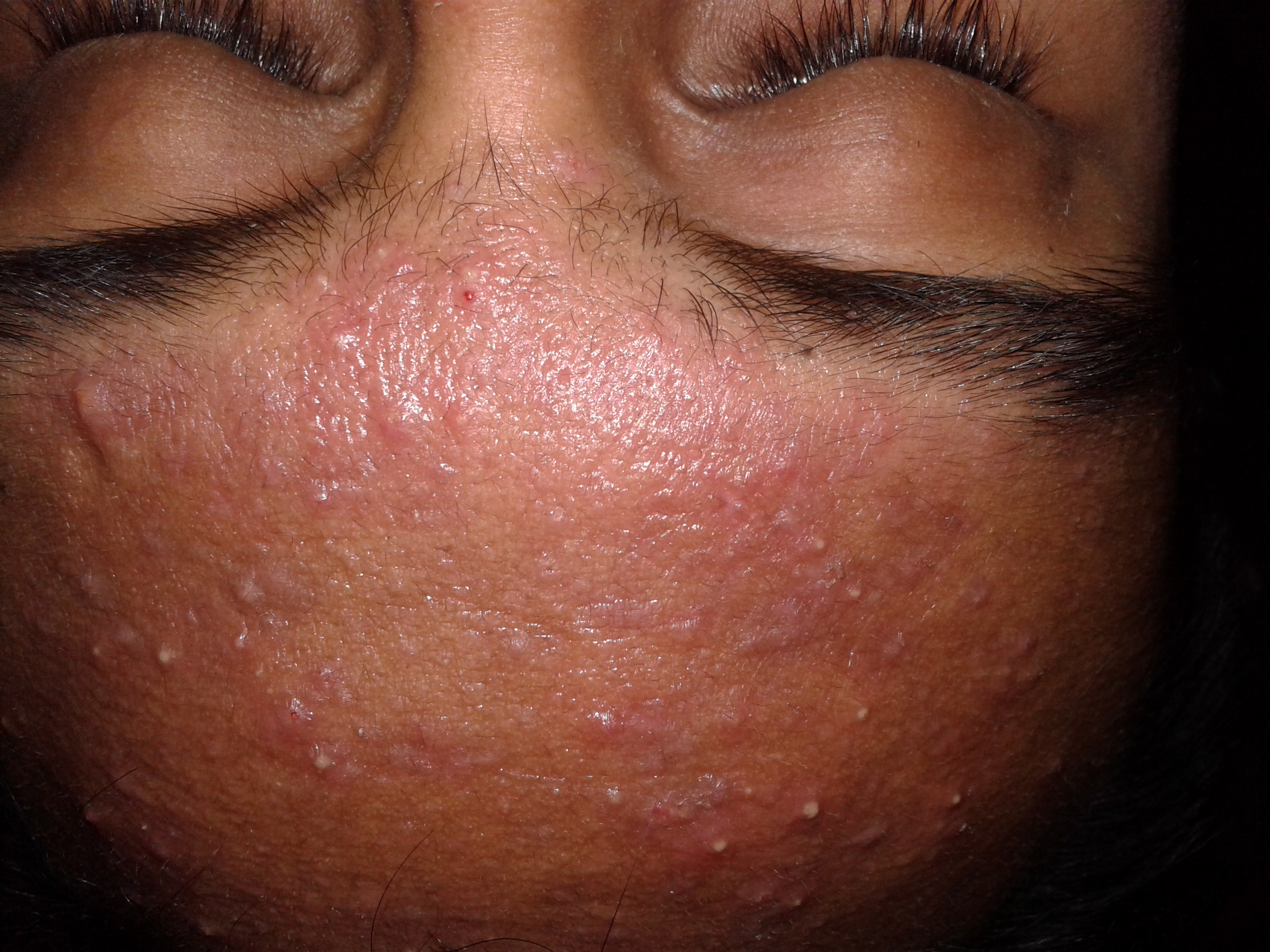
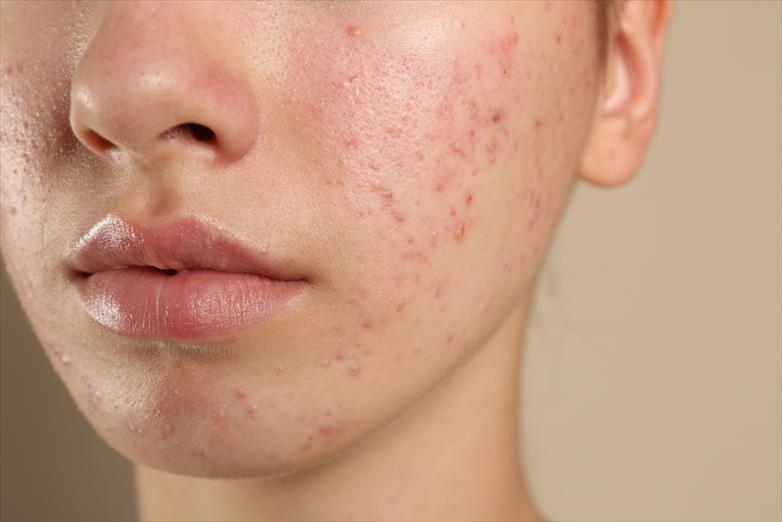
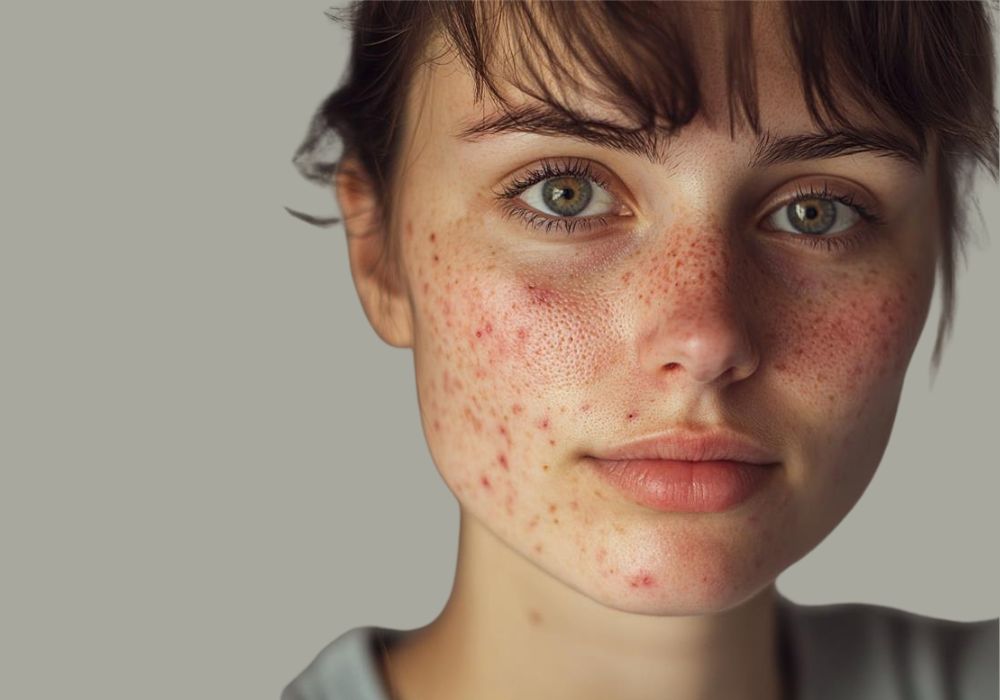
Creatine is one of the most researched supplements in fitness, yet it frequently appears in conversations about skin health. Many users report breakouts after starting supplementation, leading to the assumption that creatine itself is the culprit. The reality is more nuanced. Creatine is not a steroid, and there is no scientific evidence that the compound directly clogs pores or causes acne.
The connection between creatine and acne is almost always indirect. One prevailing theory suggests that creatine supplementation may slightly increase levels of dihydrotestosterone (DHT), a hormone linked to sebum production. While this hormonal shift is typically subtle, it can be enough to trigger breakouts in individuals who are already prone to acne. Think of creatine as a spark, not the fire; it might ignite a reaction, but the fuel was already there.
Other common factors often coincide with creatine use. People taking creatine are frequently engaging in more intense training, which leads to increased sweating. If sweat and bacteria remain on the skin, it can clog pores and cause inflammation. Additionally, dietary changes often accompany supplement routines. An increase in dairy or high-glycemic foods can independently drive acne, making it easy to mistakenly blame the creatine powder in your shaker bottle.
Understanding this distinction is crucial for managing skin health. Instead of abandoning a proven performance supplement, focus on the secondary factors. Maintain rigorous hygiene post-workout, monitor dietary triggers, and consider that any hormonal fluctuations are likely minor compared to other lifestyle variables.
Best benzoyl peroxide washes
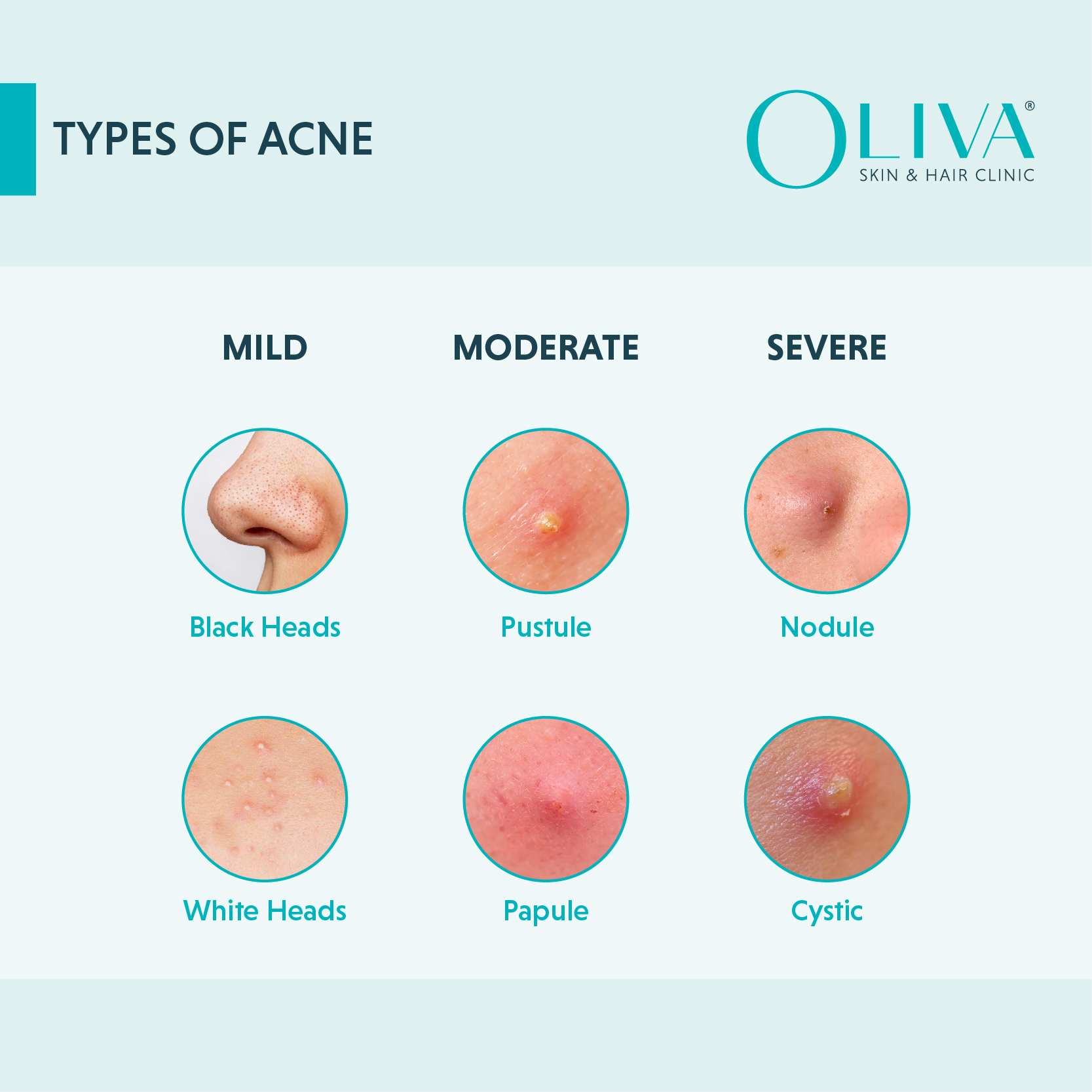
Benzoyl peroxide is the gold standard for tackling the inflammatory acne often linked to creatine use. It works by delivering oxygen directly into the pores, creating an environment where acne-causing bacteria (C. acnes) cannot survive. Unlike topical antibiotics, bacteria do not develop resistance to benzoyl peroxide, making it a reliable long-term solution for breakouts.
When choosing a wash, you are balancing effectiveness against dryness. Higher concentrations kill bacteria faster but can strip the skin barrier, leading to irritation that mimics or worsens acne. Starting with a lower percentage allows your skin to build tolerance while still delivering therapeutic benefits.
Panoxyl Acne Foaming Wash
Panoxyl is often the first recommendation for moderate to severe inflammatory acne. It uses benzoyl peroxide as its sole active ingredient, available in strengths ranging from 4% to 10%. The 10% version is particularly potent for body acne or stubborn facial breakouts, acting as a strong antibacterial agent that clears clogged pores quickly. Because it is a foaming wash, it rinses clean without leaving a heavy residue, though it can bleach fabrics, so use caution with towels and pillowcases.
CeraVe Acne Foaming Cream Cleanser
For those with sensitive or dry skin, CeraVe offers a gentler alternative that does not sacrifice efficacy. This cleanser combines 4% benzoyl peroxide with ceramides and niacinamide. The ceramides help restore the skin’s natural barrier, counteracting the drying effects of the benzoyl peroxide, while niacinamide helps calm redness and inflammation. It is a cream-to-foam formula that feels less harsh than traditional acne washes, making it a sustainable daily option for maintaining clear skin without excessive irritation.
| Brand | Strength | Texture | Best For |
|---|---|---|---|
| Panoxyl | 4-10% | Foam | Oily skin, severe breakouts |
| CeraVe | 4% | Cream-to-foam | Sensitive, dry skin |
Salicylic acid alternatives
If benzoyl peroxide feels too harsh or drying for your routine, salicylic acid offers a gentler path to clear skin. This beta-hydroxy acid (BHA) works by penetrating deep into pores to dissolve the oil and dead skin cells that cause blockages. Unlike benzoyl peroxide, which kills bacteria, salicylic acid focuses on prevention and gentle exfoliation, making it ideal for managing blackheads and keeping skin texture smooth without the irritation.
Spot Treatments and Patches
When stress or sweat triggers a breakout, the urge to pick is hard to resist. Hydrocolloid patches act as a physical barrier, protecting the area from bacteria and hands while absorbing excess fluid. They flatten pimples overnight and prevent the scarring that often follows picking. For immediate relief and protection, these patches are a simple, effective tool in your routine.
Targeted spot treatments offer a different approach, focusing on drying out or reducing inflammation in specific areas. Ingredients like benzoyl peroxide or salicylic acid can help clear the pore quickly. However, these can be drying, so it is best to apply them only to the affected spot rather than the entire face.
Here are some effective options for managing flare-ups:
Preventing breakouts while lifting
Creatine itself doesn’t clog pores, but the gym environment does. When you combine intense sweating with heavy equipment and delayed hygiene, you create a perfect storm for acne. The goal isn’t to avoid the gym, but to manage the friction between your training routine and your skin health.
Sweat left on the skin mixes with bacteria and dead cells to form a barrier that blocks pores. Wash your face and body as soon as you leave the gym. Use a gentle cleanser rather than harsh scrubbing, which can irritate active breakouts.
Barbells, dumbbells, and bench pads are shared surfaces. Wipe down any equipment you touch with a disinfectant spray or wipe before and after use. This simple step removes the bacteria that other lifters leave behind.
Synthetic materials trap heat and moisture against your skin. Choose loose-fitting, moisture-wicking fabrics that allow air circulation. Tight clothing, especially around the chest and back, can cause friction acne known as acne mechanica.
Your hands pick up bacteria from gym equipment, towels, and door handles. Keep your hands away from your face during workouts to prevent transferring these irritants directly into your pores.
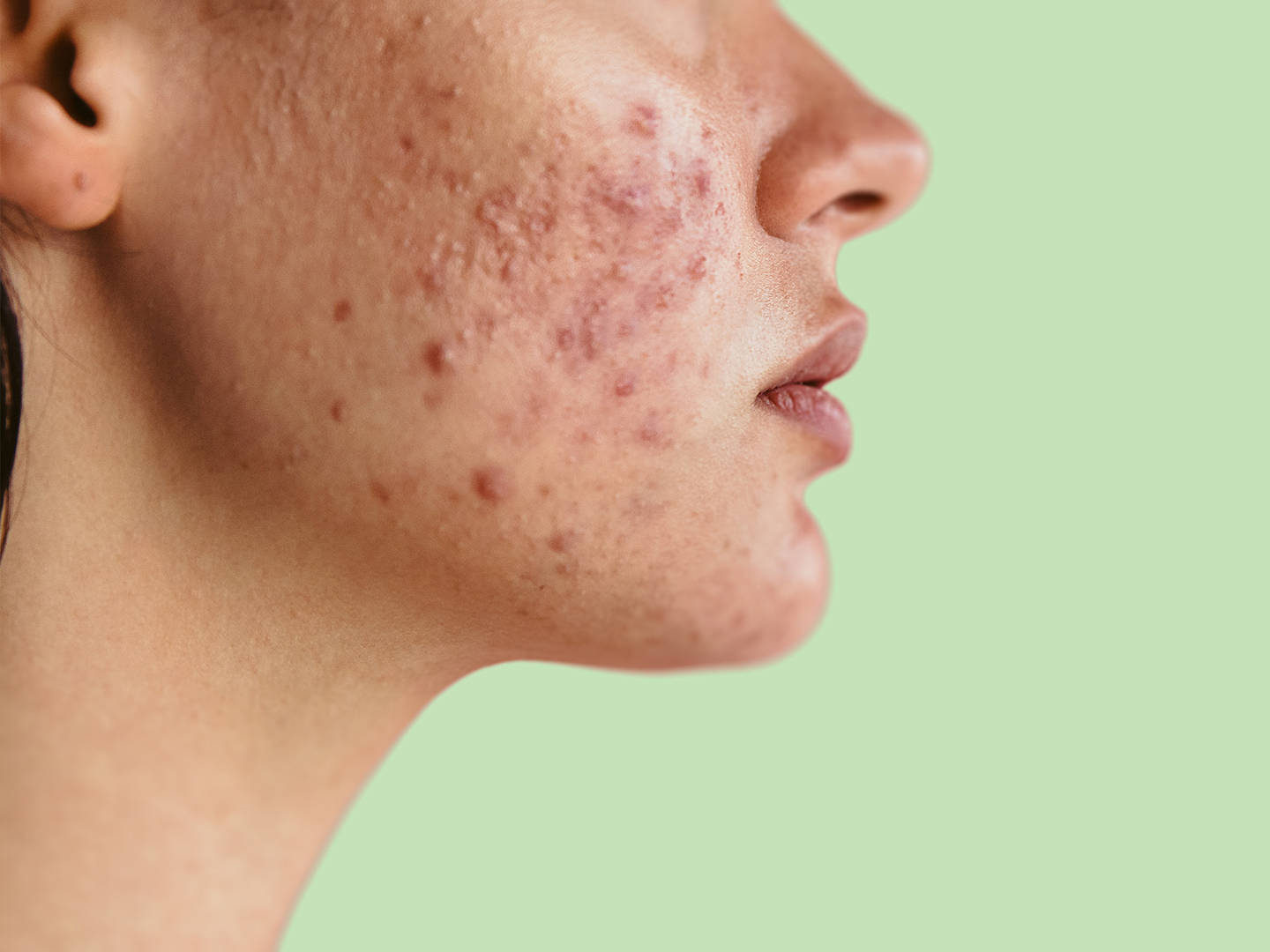
Stripping your skin of all oils can trigger excess oil production. Apply a light, non-comedogenic moisturizer to keep your skin barrier healthy. Look for products labeled "oil-free" or "non-comedogenic" to avoid clogging pores further.
By sticking to these hygiene habits, you can enjoy the benefits of creatine and strength training without the unwanted skin side effects. Consistency in your post-workout routine is just as important as consistency in the gym.
Common creatine skin: what to check next
Users often worry about side effects beyond just breakouts. Here are the most frequent concerns regarding creatine and skin health.
Staying hydrated helps flush out toxins and reduces the risk of clogged pores. Pair your creatine with a consistent skincare routine to maintain clear skin.
No comments yet. Be the first to share your thoughts!