

Confirm the Creatine Acne Link
It is important to start with a reality check: creatine does not directly clog pores. Current dermatological evidence shows no definitive mechanism by which creatine monohydrate physically blocks skin follicles. The idea that the supplement itself sits in your pores and creates a breakout is a myth.
However, the absence of a direct link doesn't mean creatine can't trigger acne. For some users, breakouts are a secondary effect of how the body processes the supplement. The most common pathways involve indirect hormonal shifts and changes in skin hydration.
Creatine supplementation can lead to a slight increase in insulin-like growth factor 1 (IGF-1). IGF-1 is known to stimulate oil production and accelerate skin cell turnover. When your skin produces excess sebum and sheds cells too quickly, those cells can stick together and trap bacteria, leading to inflammation and breakouts. This is why you might see acne flare up a few weeks after starting a new loading phase.
Another major factor is water retention. Creatine pulls water into your muscle cells, which can sometimes leave the skin on the surface slightly drier or more prone to sweat retention during intense workouts. If you are training harder while taking creatine, the combination of increased sweat and reduced surface hydration can create a breeding ground for acne-causing bacteria.
Recognizing this indirect link is the first step in managing your routine. Instead of abandoning creatine, you can adjust your skincare and hydration strategy to mitigate these side effects.
Adjust your creatine protocol
Creatine itself does not directly clog pores or cause acne. However, the way your body processes it can influence skin health through secondary factors like increased sweating, hormonal fluctuations, or changes in water retention. If you notice breakouts starting after beginning a regimen, tweaking how you take it is often more effective than stopping altogether.
Reduce your loading dose
Many people start with a "loading phase" of 20 grams per day for five to seven days to saturate muscles quickly. This high volume can spike systemic inflammation and sweat production in sensitive individuals. Skip the loading phase entirely. Instead, take a standard maintenance dose of 3 to 5 grams daily. It will take about three to four weeks to reach the same saturation levels, but your skin is less likely to react to the gradual increase.
Increase your water intake
Creatine pulls water into your muscle cells. If you don't drink enough, your body may pull water from other areas, potentially leading to dehydration. Dehydrated skin overcompensates by producing more oil, which can trap bacteria and cause breakouts. Aim for at least three liters of water daily while supplementing. This helps flush out metabolic waste and keeps your skin barrier hydrated without triggering excess sebum production.
Shift your timing
If you currently take creatine before or during intense workouts, consider moving your dose to post-workout or even non-training days. Intense exercise increases body temperature and sweat, which can mix with creatine metabolites on the skin's surface. Washing your face immediately after training is essential, but shifting the supplement timing reduces the immediate physiological stress on your body during peak exertion.
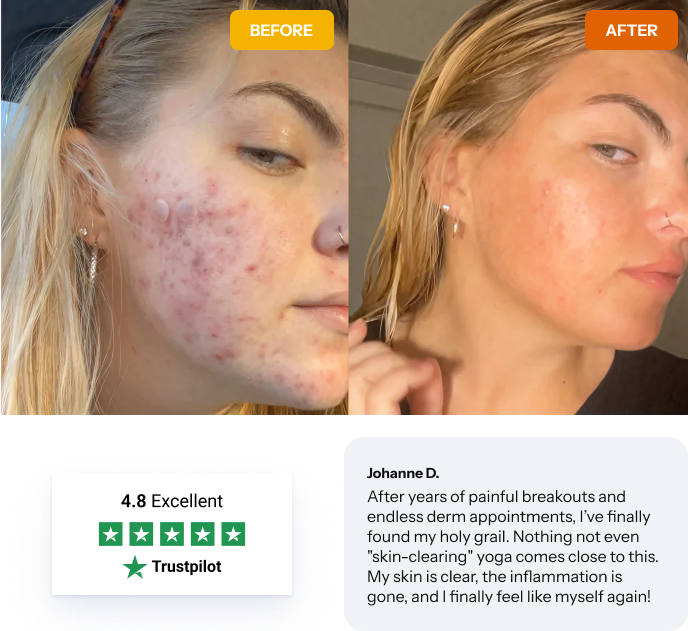
Begin with 3-5 grams daily. Avoid the 20-gram loading phase to minimize sudden physiological changes that may trigger skin sensitivity or excessive sweating.
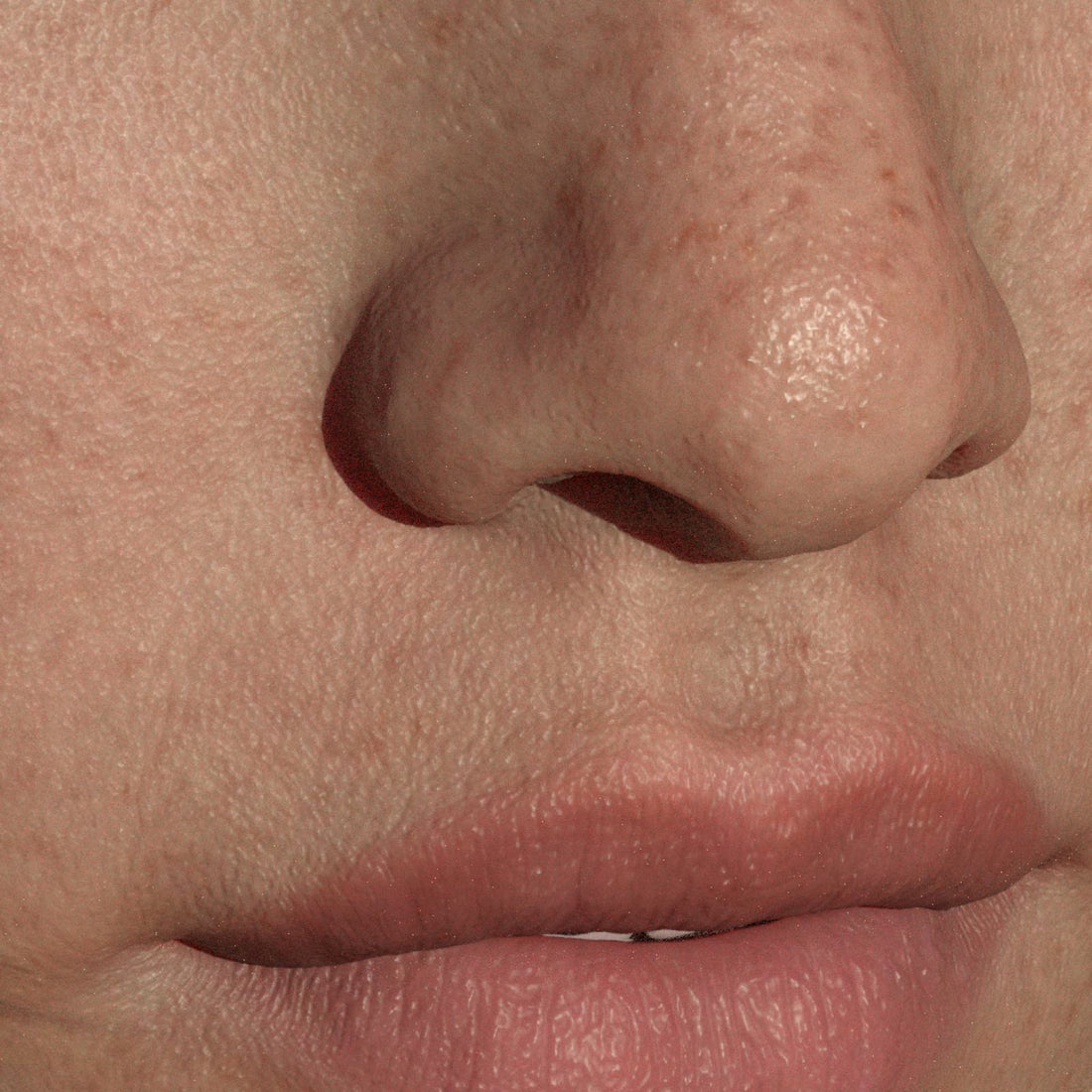
Drink at least three liters of water daily. Proper hydration prevents skin from overproducing oil to compensate for dehydration caused by creatine's water-retention properties.
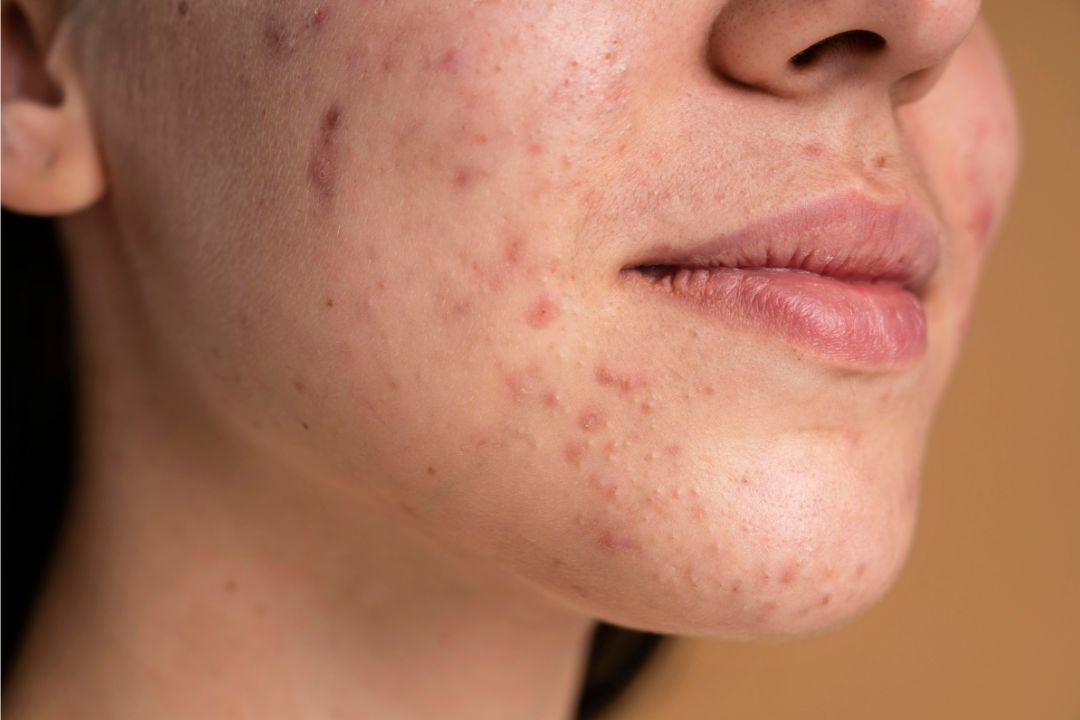
Take creatine post-workout or on rest days. This separates the supplement intake from peak sweat production, reducing the chance of metabolites irritating skin during exercise.
Switch to a salicylic acid cleanser
Creatine supplements often increase internal water retention and sebum production, which can clog pores and trigger breakouts. While creatine does not directly cause acne, the resulting oily environment creates the perfect conditions for bacteria to thrive. Switching to a cleanser with salicylic acid addresses this root cause by penetrating deep into the pore lining to dissolve excess oil and dead skin cells.
Salicylic acid is a beta hydroxy acid (BHA) that is oil-soluble, allowing it to work where water-based cleansers cannot. By keeping pores clear, you reduce the likelihood of inflammation and cystic acne flares associated with creatine use. This routine adjustment is a practical way to maintain skin clarity without stopping your supplementation.
Choose the right formulation
Not all salicylic acid cleansers are created equal. When selecting a product, look for concentrations between 1% and 4%. Higher concentrations can be overly drying, leading to rebound oil production. Two widely available options serve as reliable examples for this routine:
| Feature | Panoxyl 4% | CeraVe Acne Foaming Cream Cleanser |
|---|---|---|
| Active Ingredient | Benzoyl Peroxide 4% | Salicylic Acid 4% |
| Best For | Inflamed, red acne | Clogged pores, blackheads |
| Skin Feel | Can be drying | Hydrating, non-stripping |
Note: Panoxyl is often grouped in this context for acne management, though it uses benzoyl peroxide. For pure salicylic acid action, CeraVe is the primary example. If your skin is sensitive, start with a lower concentration or alternate days to assess tolerance.
How to use it effectively
Using a chemical exfoliant requires consistency rather than intensity. Scrubbing harder does not clear pores faster and often damages the skin barrier. Follow these steps to integrate the cleanser into your daily routine safely.
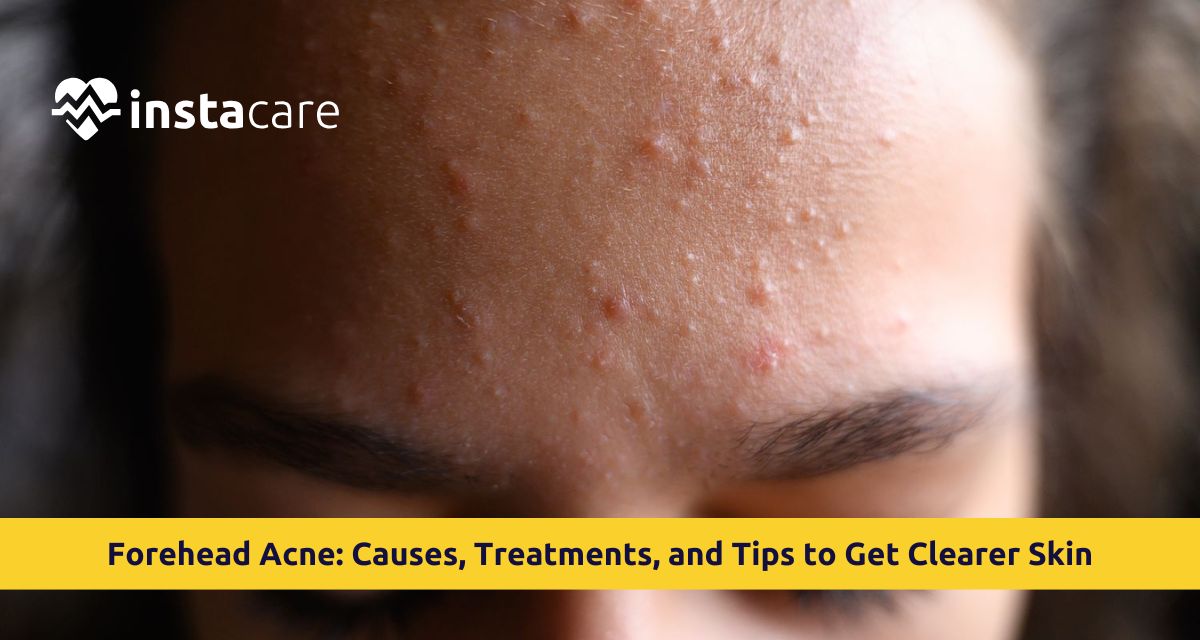
Start by using this cleanser once daily, preferably in the evening to remove sweat and oil accumulated during the day. If your skin tolerates it well after two weeks, you may increase usage to twice daily. Monitor your skin for excessive dryness or peeling; if these occur, reduce frequency or switch to a gentler formula.
Use hydrocolloid patches for active spots
When a breakout flares up, the urge to pick is often the hardest part to resist. Hydrocolloid patches offer a simple, non-invasive way to manage existing blemishes while keeping your hands off your skin. These small, adhesive bandages absorb fluid from the spot, flattening it faster and creating a physical barrier against bacteria and dirt.
Think of a patch as a temporary shield. It doesn’t cure the underlying cause, but it prevents the pimple from getting worse while you go about your day. This is especially useful for those sudden, tender cysts that seem to appear overnight. By covering the area, you reduce inflammation and protect the skin from external irritants.
To get the best results, apply the patch to a clean, dry face. Ensure the area is free of oils or heavy creams so the adhesive sticks properly. Leave it on for several hours or overnight. The patch will turn white as it absorbs fluid, signaling that it is working. Replace it with a fresh one if needed until the spot subsides.
This method is particularly helpful for managing the physical symptoms of creatine-related breakouts. While creatine may increase cell turnover or interact with sweat and diet to trigger flare-ups, patches provide immediate, visible relief. They are a practical addition to your routine, complementing gentle cleansers like CeraVe or targeted treatments without causing further irritation.
Check for Hidden Acne Triggers
Creatine rarely causes acne in a vacuum. More often, it acts as a catalyst for existing skin sensitivities or lifestyle habits that clog pores. If your breakouts persist despite adjusting your supplement intake, the culprit likely lies in compounding factors like diet, stress, or other products in your routine.
Think of your skin as a sponge. If it’s already saturated with excess oil, sweat, or inflammatory foods, adding creatine—which can increase water retention and potentially sweat volume—might be the final drop that overflows. Isolating triggers requires a systematic audit of your daily habits.
Audit Your Diet
High-glycemic foods and dairy are well-documented acne triggers. They spike insulin levels, which can increase sebum production and inflammation. If you’ve recently increased your calorie intake to support creatine loading, review your macronutrient balance. Prioritize whole foods, lean proteins, and low-glycemic carbohydrates to keep insulin levels stable.
Review Other Supplements
Some supplements contribute to breakouts. Whey protein, for instance, is a common offender due to its hormonal effects. If you’re stacking creatine with whey or other performance enhancers, consider pausing them one at a time to see if your skin clears. This helps isolate whether the issue is truly creatine or a combination of products.
Manage Stress and Sleep
Stress increases cortisol, a hormone that stimulates oil glands and worsens acne. Intense training, often associated with creatine use, can also elevate cortisol if not managed properly. Ensure you’re prioritizing sleep and incorporating recovery days. Poor sleep hygiene can undermine even the most effective skincare routine.
Adjust Your Skincare Routine
Your cleanser and moisturizer play a critical role in managing breakouts. A gentle, non-comedogenic cleanser can help remove excess oil and sweat without stripping the skin barrier. Look for products with salicylic acid or benzoyl peroxide if you’re prone to clogged pores, but introduce them slowly to avoid irritation.
Wash your face twice daily with a gentle, fragrance-free cleanser. Avoid harsh scrubbing, which can irritate the skin and worsen inflammation. Pat dry with a clean towel.
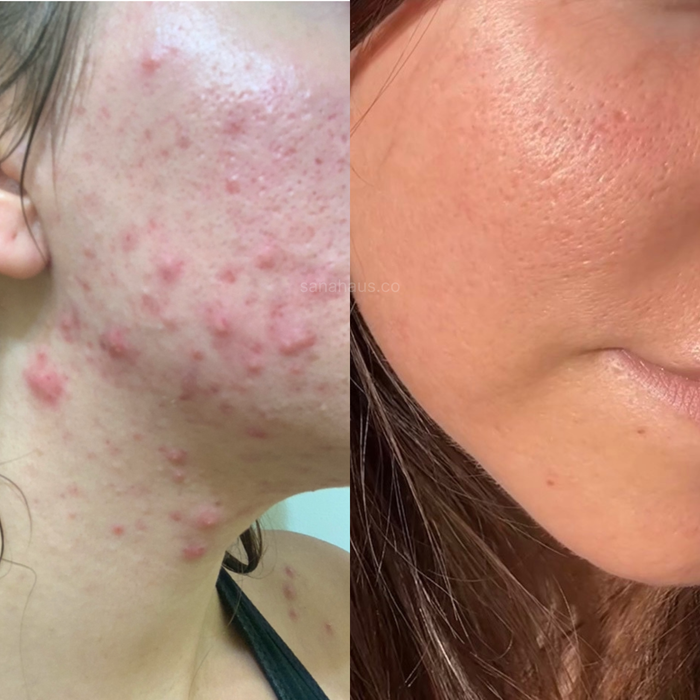
Apply a lightweight, non-comedogenic moisturizer. Even oily skin needs hydration to maintain a healthy barrier. Look for ingredients like hyaluronic acid or niacinamide.
Track your skin’s response over two to four weeks. Take photos in consistent lighting to objectively assess improvements or worsening of breakouts.
By systematically addressing these potential triggers, you can determine whether creatine is the primary cause of your acne or if other lifestyle factors need adjustment. This holistic approach ensures you’re not just treating symptoms but addressing the root causes of your skin concerns.
When to see a dermatologist
You can manage mild breakouts with over-the-counter adjustments, but some signs require professional intervention. If your creatine acne persists after three to four weeks of consistent treatment with products like Panoxyl or CeraVe, it is time to consult a dermatologist. Delaying care for persistent cystic acne increases the risk of permanent scarring.
Seek immediate evaluation if you notice deep, painful nodules under the skin. These cystic lesions indicate a more severe inflammatory response that topical cleansers alone cannot resolve. A dermatologist can prescribe stronger retinoids or oral medications to stop the inflammation before it damages your skin barrier.
Also visit a specialist if you experience sudden, widespread breakouts across your face, chest, or back. This type of rapid onset suggests your body may be reacting to creatine in a way that requires systemic management rather than just surface-level skincare.
Common questions about creatine and skin
Users often search for quick answers when breakouts appear during supplementation. Here are the most frequent questions regarding creatine and skin health.
Can creatine make your skin clear?
Creatine does not have properties that clear skin. While some users report clearer complexions, this is likely due to better hydration or improved workout consistency rather than the supplement itself. Focus on a consistent cleansing routine instead of expecting creatine to act as a skincare treatment.
Does creatine get rid of pimples?
No. Creatine is not an acne treatment. In fact, because it can increase water retention in skin cells and potentially raise IGF-1 levels, it may contribute to breakouts in some individuals. If you are experiencing acne, consider adjusting your dosage or switching to a different supplement strategy.
Does creatine affect your face?
Creatine can affect facial skin by increasing water retention, which may lead to a slightly puffy appearance. It may also trigger breakouts in acne-prone individuals by influencing sebum production. Maintaining good hygiene and using non-comedogenic products can help mitigate these visible effects.
Can creatine cause hormonal imbalance?
Some studies suggest creatine may slightly increase dihydrotestosterone (DHT), a hormone linked to acne. However, research has not confirmed that this rise is significant enough to cause a clinical hormonal imbalance in healthy individuals. Monitor your skin’s response and consult a professional if you notice drastic changes.
No comments yet. Be the first to share your thoughts!