
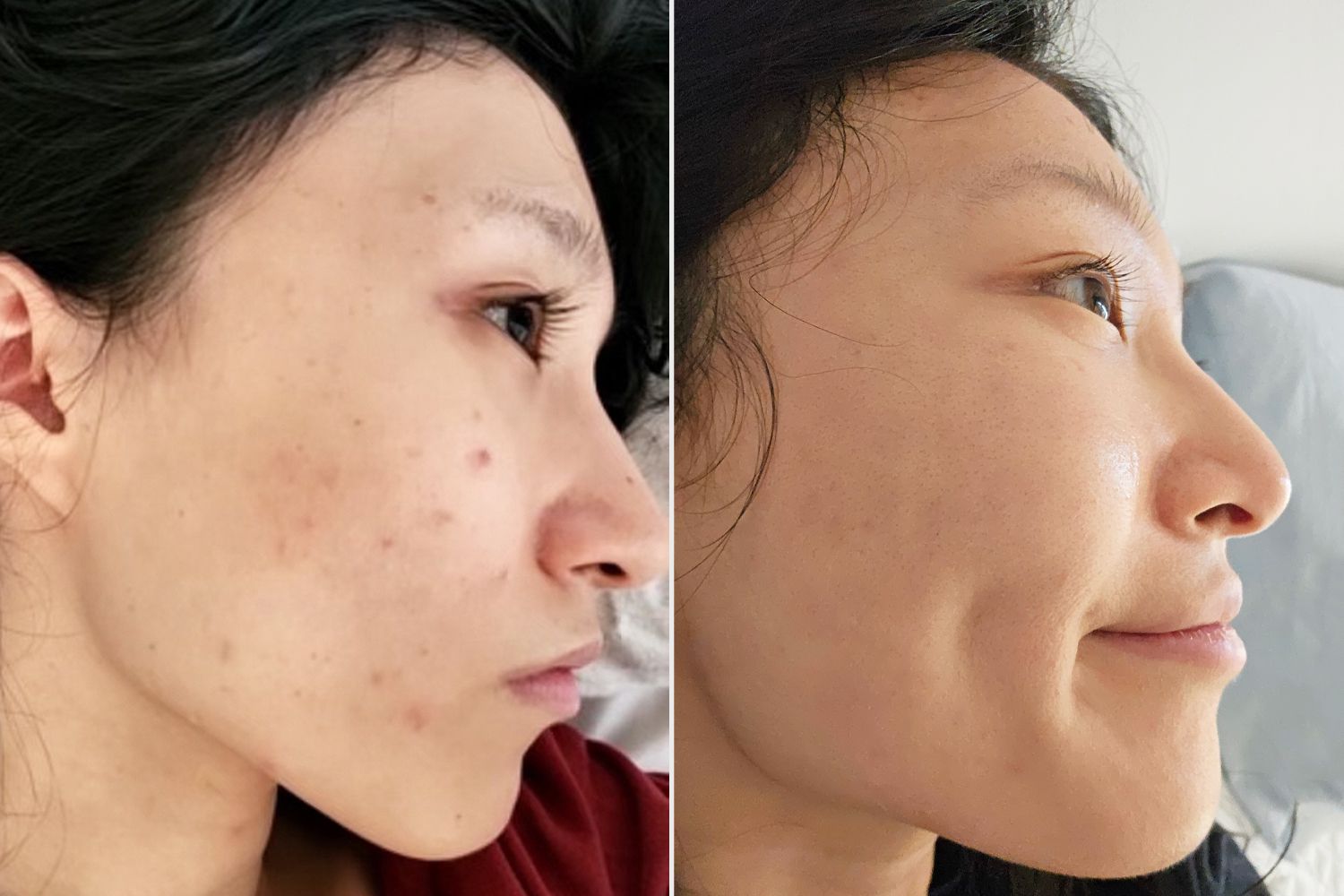

Modern lifestyle triggers for acne
While genetics often dictate your baseline skin type, modern acne is increasingly driven by external environmental and behavioral factors. Acne is no longer viewed solely as a hormonal or teenage issue; it is a reflection of contemporary living conditions. Research indicates that stress, urban pollution, sedentary habits, and hyper-connection to digital devices contribute significantly to inflammatory breakouts.
Dietary patterns have emerged as a primary driver. High-glycemic diets, characterized by frequent consumption of sugar and refined carbohydrates, have been consistently linked to increased acne severity. Studies suggest that high sugar intake can spike insulin levels, triggering inflammation and sebum production that clogs pores. Similarly, dairy products, particularly skim milk, have shown correlations with acne prevalence in several epidemiological studies.
Beyond diet, the "urban lifestyle" creates a perfect storm for skin congestion. Airborne pollutants adhere to the skin, creating oxidative stress that damages the skin barrier and promotes inflammation. Combined with the physiological effects of chronic stress—which elevates cortisol and androgen levels—these modern triggers create an environment where acne thrives, independent of genetic predisposition.
Does creatine cause breakouts?
The short answer is no; there is no direct scientific evidence linking creatine monohydrate to acne. The supplement does not contain hormones or ingredients that clog pores. However, many people who take creatine do experience skin changes, usually due to indirect factors like water retention or hygiene habits rather than the molecule itself.
Creatine pulls water into your muscle cells to improve performance. This can sometimes lead to temporary bloating or puffiness in the face. While this is not acne, the swelling can make existing breakouts look more prominent or change how your skin texture appears. It is a physical shift in hydration, not a hormonal flare-up.
Hygiene is the more likely culprit. If you are taking creatine, you are likely increasing your workout frequency or intensity. Sweat, dead skin, and bacteria trapped under clothing or on gym equipment can clog pores. Additionally, if you are mixing creatine with protein shakes or pre-workout drinks, dairy or high-glycemic ingredients in those beverages may be triggering the breakouts, not the creatine.
To keep your skin clear while supplementing, focus on the surrounding habits. Shower immediately after sweating and wash your face with a gentle cleanser. If you notice breakouts, try pausing the creatine for two weeks to see if the skin clears up. If it does, the issue was likely the water retention or a change in your routine. If the breakouts persist, look at your diet and skincare products instead.
Cannabis Use and Skin Health
The relationship between cannabis and skin health is complex, often divided into how the compound enters the body and the specific effects of combustion versus topical application. While some users seek cannabis for its potential anti-inflammatory properties, the method of consumption plays a decisive role in whether the outcome supports or undermines skin clarity.
Smoking and Inflammation
Smoking cannabis, whether tobacco-blended or pure, introduces combustion byproducts that can exacerbate skin inflammation. These byproducts generate oxidative stress, which may worsen acne severity and impair the skin’s ability to heal. Research suggests that smoking is linked to increased systemic inflammation, a known driver of acne flare-ups. For those prone to breakouts, avoiding inhalation methods may reduce one of the many lifestyle triggers affecting skin health [[src-serp-6]].
Topical Applications
Topical cannabis products, such as creams and oils containing CBD or THC, are often marketed for their anti-inflammatory benefits. These formulations target the skin locally, potentially calming redness and irritation without the systemic effects of smoking. However, the efficacy of these products varies widely depending on the formulation and the individual’s skin type. Unlike smoking, topical application does not introduce combustion toxins, making it a less inflammatory option for skin care routines.
Balancing Act
For individuals managing acne, the choice between smoking and topical use involves weighing potential benefits against known risks. While topical products may offer targeted relief, smoking introduces additional inflammatory factors that can counteract any potential benefits. Understanding these distinctions helps users make informed choices about how cannabis fits into their overall skin health strategy.
Best benzoyl peroxide cleansers
Benzoyl peroxide remains one of the most effective over-the-counter treatments for inflammatory acne. It works by killing acne-causing bacteria and helping to clear out pores. For those managing lifestyle-induced breakouts, a gentle cleanser can integrate this ingredient into a daily routine without causing excessive dryness.
Benzoyl peroxide is available in various concentrations, typically ranging from 2.5% to 10%. Studies suggest that lower concentrations, such as 2.5%, are often just as effective as higher doses while causing less skin irritation. This makes them a safer starting point for sensitive skin types.
The following table compares key features of top benzoyl peroxide cleansers, including concentration, texture, and added ingredients like ceramides.
| Product | Concentration | Texture | Key Ingredients |
|---|---|---|---|
| CeraVe Acne Foaming Cream Cleanser | 4% | Foaming cream | Ceramides, Niacinamide |
| La Roche-Posay Effaclar Medicated Gel Cleanser | 5.5% | Gel | LHA, Zinc Pidolate |
| PanOxyl Acne Foaming Wash | 10% | Foaming wash | Glycerin |
| Neutrogena Oil-Free Acne Wash | 4% | Gel | Salicylic Acid (in some variants) |
When choosing a benzoyl peroxide cleanser, consider your skin type and sensitivity. Start with a lower concentration to assess how your skin reacts. It is also important to moisturize regularly, as benzoyl peroxide can be drying. Always patch test new products on a small area of skin before full application.
Gentle alternatives for sensitive skin
If harsh actives leave your skin red, stinging, or peeling, you can still manage breakouts with milder options. The goal is to unclog pores without stripping the skin barrier, which can actually trigger more oil production and inflammation.
Salicylic acid for gentle exfoliation
Salicylic acid is a beta-hydroxy acid (BHA) that penetrates oil-filled pores to dissolve debris. Unlike physical scrubs, it works chemically, making it suitable for sensitive skin when used in low concentrations (0.5% to 2%). Look for leave-on toners or spot treatments rather than harsh washes. Products like Paula’s Choice Skin Perfecting 2% BHA Liquid Exfoliant are widely cited for their balanced formulation, which minimizes irritation while effectively targeting blackheads and whiteheads.
Gentle foaming cleansers
A gentle foaming cleanser removes surface oil and dirt without disrupting the skin’s natural pH. Avoid sulfates like sodium lauryl sulfate, which can be overly drying. Instead, choose cleansers with mild surfactants or those labeled for "sensitive" or "acne-prone" skin. CeraVe Foaming Facial Cleanser is a common recommendation because it contains niacinamide to calm redness and ceramides to maintain the skin barrier. Using a gentle cleanser twice daily helps keep pores clear without the sting associated with stronger acne washes.
Acne lifestyle triggers: common: what to check next
Understanding how daily habits influence skin health helps separate fact from common myths. Research points to specific dietary and lifestyle factors that may exacerbate acne, while other popular beliefs lack scientific backing.
No comments yet. Be the first to share your thoughts!