
How to choose an acne face wash
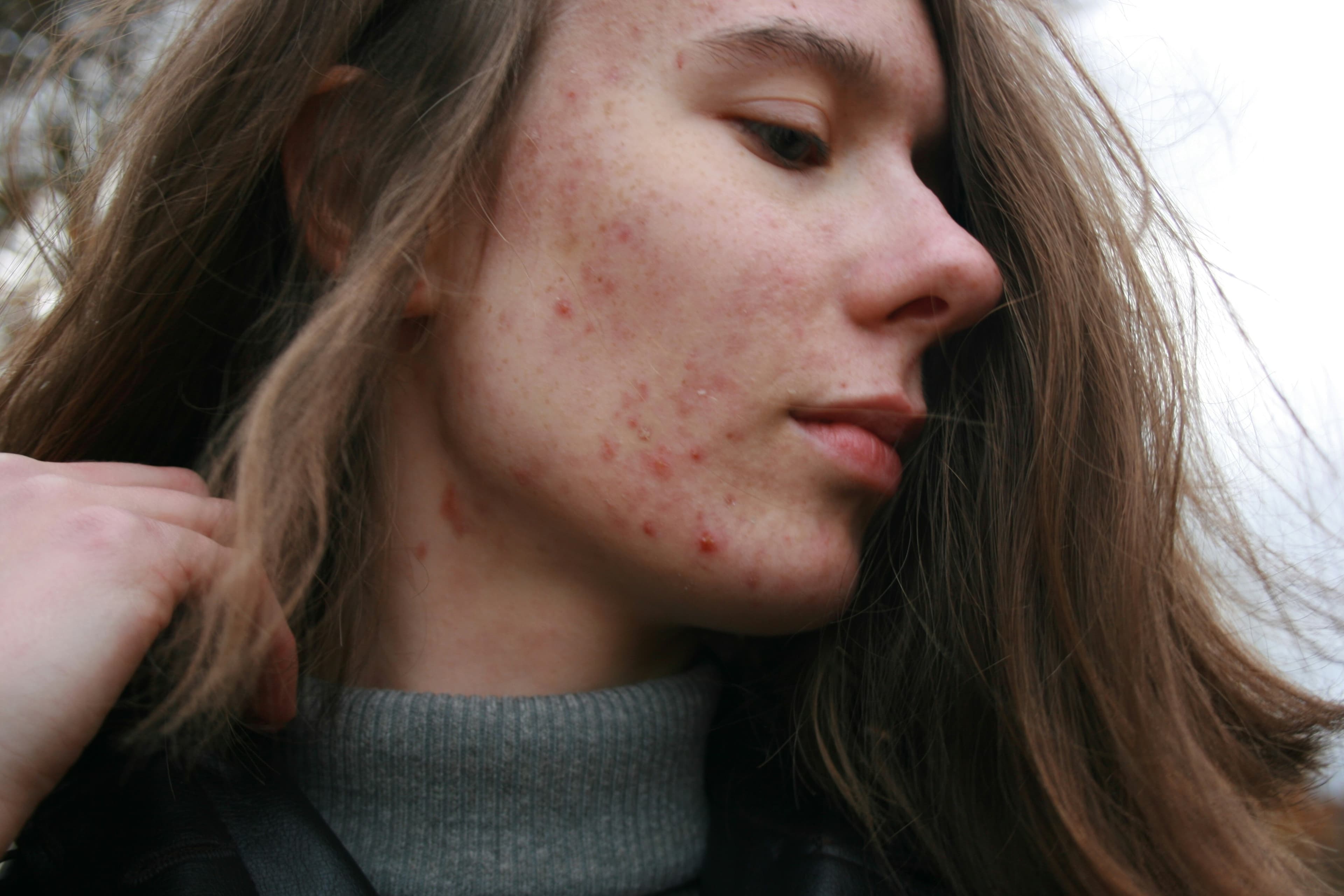
Selecting the right acne face wash depends less on brand loyalty and more on understanding the specific type of breakouts you are trying to treat. Think of your skincare routine as a targeted resource; using the wrong active ingredient is like trying to unclog a drain with a plunger when you actually need a snake. To make an informed decision, you must first distinguish between comedonal acne and inflammatory acne, as each responds differently to over-the-counter treatments.
Comedonal acne consists of non-inflamed clogged pores, including blackheads and whiteheads. For this type, look for salicylic acid, a beta-hydroxy acid that penetrates oil to dissolve debris within the pore. It works by exfoliating the skin lining, preventing the buildup that leads to bumps. If your primary concern is texture and clogging rather than redness, a salicylic acid-based wash is often the most effective starting point.
Inflammatory acne presents as red, swollen, or painful pimples and pustules. This type involves bacteria (Cutibacterium acnes) and significant irritation. Benzoyl peroxide is the gold standard here because it kills bacteria on contact and reduces inflammation. Unlike salicylic acid, which primarily unclogs, benzoyl peroxide attacks the root cause of the red, angry spots. Choosing between these two ingredients determines whether you are clearing blockages or calming inflammation.
While both ingredients are effective, they can be drying. If you have sensitive skin, start with a lower concentration or use the wash every other day to build tolerance. Consistency matters more than strength; using a mild formula daily often yields better results than using a harsh one sporadically. Always follow up with a non-comedogenic moisturizer to maintain your skin barrier while treating breakouts.
How Panoxyl and CeraVe Fight Acne
The difference between Panoxyl and CeraVe comes down to which active ingredient your skin responds to best. Panoxyl relies on benzoyl peroxide, while CeraVe’s salicylic acid line uses beta-hydroxy acid. Both target acne, but they work through entirely different mechanisms.
Benzoyl peroxide is a potent antibacterial agent. It releases oxygen into the pores, creating an environment where Cutibacterium acnes (the bacteria that triggers breakouts) cannot survive. It also helps break down existing blackheads and whiteheads by exfoliating the skin surface. Because it is aggressive, it can cause dryness or bleaching of fabrics.
Salicylic acid is a beta-hydroxy acid (BHA) that is oil-soluble. This allows it to penetrate deep into the pore lining to dissolve the mix of sebum and dead skin cells that cause clogs. Unlike benzoyl peroxide, it does not kill bacteria directly but prevents the blockage that leads to inflammation. It is generally gentler and better suited for blackheads and whiteheads.
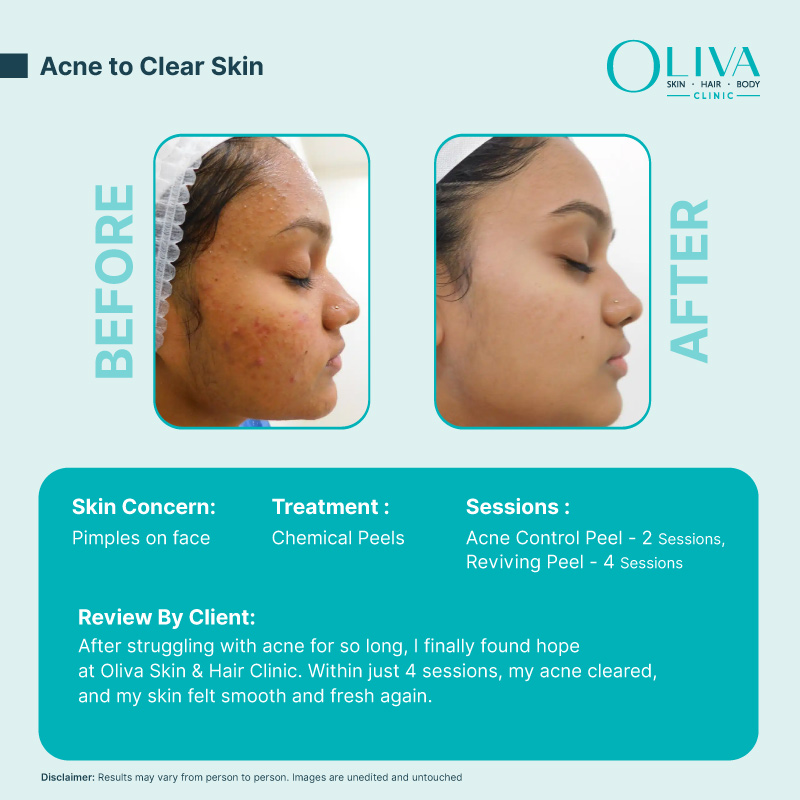
Choosing between the two depends on whether your primary concern is bacterial infection or clogged pores. Benzoyl peroxide is often preferred for inflammatory, red, and pus-filled pimples. Salicylic acid is typically the go-to for surface-level congestion and preventing future clogs.
| Active Ingredient | Ingredient Type | How It Works | Best For |
|---|---|---|---|
| Benzoyl Peroxide | Antibacterial Agent | Kills acne-causing bacteria and reduces inflammation | Inflammatory acne (red, swollen pimples) |
| Salicylic Acid | Beta-Hydroxy Acid (BHA) | Dissolves oil and dead skin cells inside pores | Blackheads, whiteheads, and clogged pores |
Skin sensitivity and drying effects
Choosing between Panoxyl and CeraVe often comes down to how your skin tolerates active ingredients. Panoxyl relies on benzoyl peroxide, a potent antimicrobial that targets the bacteria behind breakouts. While effective, benzoyl peroxide is known to be drying and can cause irritation, especially for those with sensitive skin or conditions like eczema. It works by penetrating the pores to clear acne, but this process often strips natural oils, leading to redness or peeling if not managed carefully.
CeraVe, by contrast, formulates its acne washes around salicylic acid or benzoyl peroxide combined with ceramides and hyaluronic acid. The brand’s primary focus is on maintaining the skin barrier while treating acne. This approach minimizes the harsh side effects often associated with strong acne treatments. For users who experience tightness or flaking with other products, CeraVe’s gentler formulations provide a sustainable way to manage breakouts without compromising skin health.
The trade-off is clear: Panoxyl offers aggressive acne-fighting power, which may be necessary for severe cases, but requires careful monitoring for irritation. CeraVe prioritizes skin barrier integrity, making it a safer choice for daily use on sensitive or reactive skin. If you are new to acne treatments, starting with a gentler option like CeraVe can help your skin adjust without overwhelming it.
For many users, the goal is to clear acne without sacrificing skin comfort. If you find Panoxyl too drying, consider using it only a few times a week or following up with a rich, non-comedogenic moisturizer. Conversely, if CeraVe’s gentler approach isn’t clearing your breakouts, you may need to increase the frequency of use or switch to a higher concentration of active ingredients. Listening to your skin’s response is key to finding the right balance.
Using acne patches and spot treatments
Face washes handle the broader skin environment, but sometimes you need to address a single breakout immediately. This is where spot treatments and hydrocolloid patches come in. They work alongside your cleanser to target individual pimples, reducing inflammation and preventing picking.
Hydrocolloid patches are essentially bandages designed for acne. They absorb excess fluid and oil from the pimple while creating a protective barrier against bacteria and dirt. This physical barrier also stops you from touching or squeezing the spot, which can worsen scarring and prolong healing. For whiteheads that have come to a head, these patches are particularly effective at flattening them overnight.
Spot treatments, often containing benzoyl peroxide or salicylic acid, work chemically to kill bacteria and unclog pores. While face washes rinse off, these treatments stay on the skin to penetrate deeper. Use them on specific areas rather than all over, as they can be drying. Combining a gentle face wash with targeted spot treatment allows you to manage overall oil control while aggressively treating active breakouts.
Lifestyle factors and acne triggers
While topical treatments like Panoxyl and CeraVe address surface-level symptoms, acne is often a systemic issue. The pilosebaceous unit reacts to internal signals, meaning that diet, stress, and certain supplements can dictate severity regardless of your wash routine. Understanding these triggers helps you decide whether a product change or a lifestyle adjustment is needed.
Diet and Insulin
High-glycemic foods and dairy can spike insulin and insulin-like growth factor 1 (IGF-1). This hormonal surge increases sebum production and skin cell proliferation, clogging pores. Research suggests that reducing sugar and dairy intake may lower acne incidence in some individuals, though results vary by person.
Stress and Hormones
Stress triggers cortisol release, which can worsen inflammation and oil production. For many, acne flares coincide with high-pressure periods or hormonal shifts. Managing stress through sleep and routine may reduce breakout frequency, complementing the anti-inflammatory benefits of benzoyl peroxide or ceramides.
Supplements and Substances
Certain supplements and substances are linked to acne exacerbation. Creatine monohydrate, popular among athletes, has been associated with increased sebum production and breakouts in some users. Similarly, cannabis use can influence hormonal balance and stress responses, potentially impacting skin health. If you notice new breakouts after starting a supplement, consider pausing it to see if skin improves.
When to consider laser acne treatment
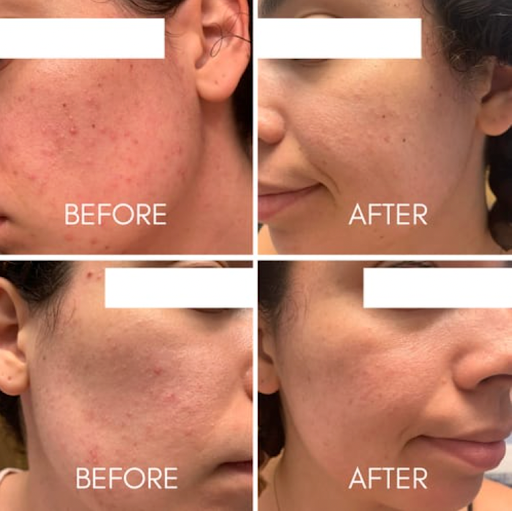
Over-the-counter washes like Panoxyl and CeraVe are effective for mild to moderate acne, but they have limits. If you have tried consistent use of active ingredients like benzoyl peroxide or salicylic acid for eight to twelve weeks without improvement, it may be time to consult a dermatologist. Persistent breakouts, deep cysts, or acne that leaves scars often require professional intervention beyond topical care.
Laser and light therapies target the root causes of acne differently than face washes. They use specific wavelengths of light to kill acne-causing bacteria, reduce inflammation, and shrink oil glands. These treatments are typically reserved for moderate to severe acne that does not respond to standard topical or oral medications. They are not a first-line defense for occasional pimples but can be a powerful tool for chronic, inflammatory acne.
The American Academy of Dermatology notes that virtually everyone with acne can see clearer skin with the right treatment plan. While laser therapy is not a cure, it can significantly reduce active lesions and prevent future scarring. A dermatologist can determine if your skin type and acne severity make you a good candidate for these advanced procedures, ensuring you move from OTC management to professional care at the right threshold.
Common questions about acne washes
Acne treatment often feels like a guessing game, but understanding how active ingredients work can simplify your routine. Whether you are dealing with hormonal breakouts or occasional blemishes, the right product choice matters.
Finding the right balance between clearing breakouts and maintaining skin health is essential. The American Academy of Dermatology notes that virtually everyone with acne can achieve clearer skin with the right routine and patience.
No comments yet. Be the first to share your thoughts!