
Understanding LED Therapy
LED therapy, or light-emitting diode therapy, isn’t some futuristic skincare fantasy. It’s a well-established treatment that uses specific wavelengths of light to interact with your skin. The process isn't about heat – it's about photons penetrating the skin at varying depths. This triggers a biochemical reaction, prompting changes at a cellular level. It’s different than laser acne treatment, which uses a focused beam of light to destroy tissue.
The FDA first began clearing LED devices for aesthetic use in the early 2000s, and the technology has been steadily refined since then. For example, LED Technologies, Inc. received 510(k) clearance in December 2022 for their reVive Light Therapy device (K223482). This clearance isn’t a blanket endorsement for all LED devices, but it does indicate that the reVive device met the FDA’s standards for safety and effectiveness for specific uses.
The marketing around LED therapy can be overwhelming, with promises of miracle cures. It's important to understand that LED therapy isn't going to eliminate all acne overnight. It’s a tool, and its effectiveness depends on consistent use and realistic expectations. It’s best suited for mild to moderate acne and can be a helpful addition to a comprehensive skincare routine.
A common misconception is that all LED lights are created equal. Different wavelengths have different effects. Blue light targets acne, while red light focuses on inflammation and collagen production. Using the wrong wavelength won’t deliver the desired results. The power output and treatment time also significantly impact results.
Blue light for acne
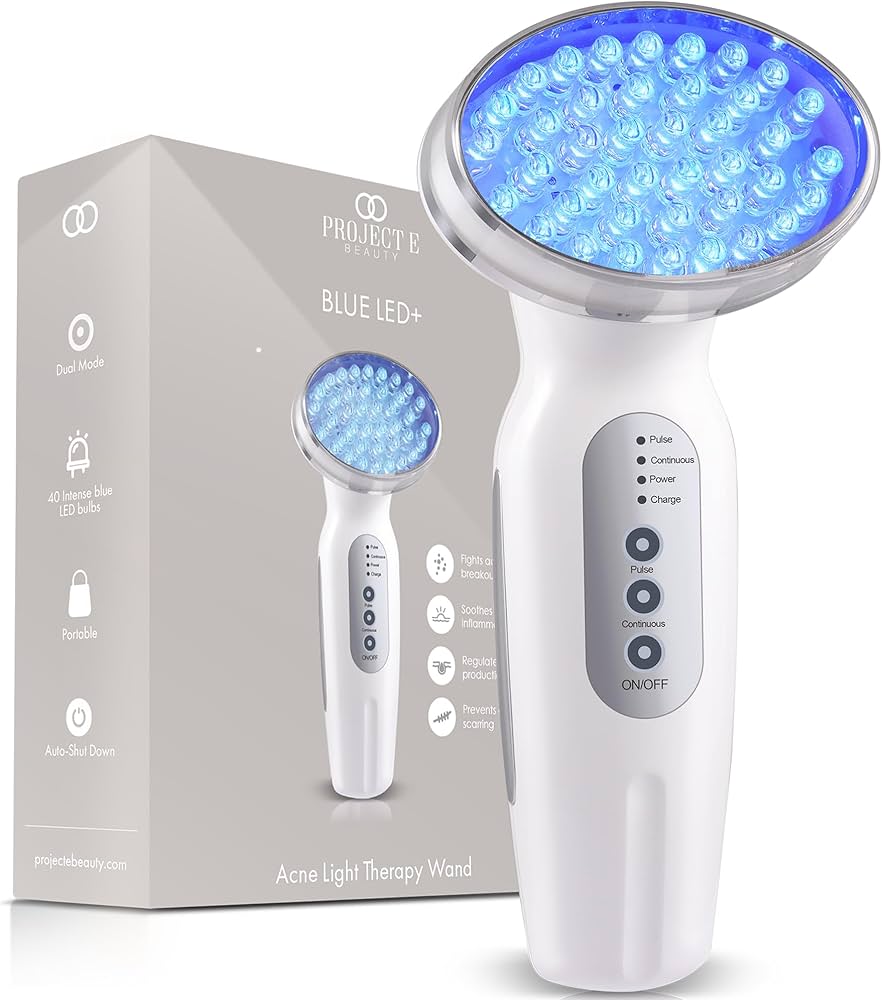
Blue light, specifically in the 405-420nm range, is effective for tackling acne. This wavelength targets Cutibacterium acnes (formerly known as Propionibacterium acnes), the bacteria that plays a major role in acne development. The Cleveland Clinic explains that blue light works by creating free radicals that destroy these bacteria.
The process is pretty elegant, actually. The light excites porphyrins produced by the C. acnes bacteria, leading to their destruction. This makes blue light particularly effective for inflammatory acne – those red, swollen pimples that are often painful. It doesn’t necessarily address blackheads or whiteheads as effectively, as those aren’t primarily caused by bacterial overgrowth.
While blue light gets the most attention for acne, red light also has a role to play. Red light (around 630-700nm) doesn’t kill acne bacteria directly. Instead, it works to reduce inflammation, calm redness, and even stimulate collagen production. This can help with post-inflammatory hyperpigmentation – those dark marks that linger after a pimple heals. But for actively fighting breakouts, blue light is where it’s at.
At-home vs. professional treatments
Comparing an at-home LED device to a professional laser acne treatment isn't straightforward. In-office treatments, performed by a dermatologist, use much more powerful devices and can deliver more dramatic results due to higher intensity and precision.
The biggest difference is power output. Professional devices can deliver a much higher dose of light energy in a shorter amount of time. At-home devices are intentionally limited in their power to ensure safety for consumer use. This means you’ll need to use them more consistently – often daily or several times a week – to see results.
Treatment time also varies. A professional treatment might take 30-60 minutes, while an at-home device might require 10-20 minutes per session. The convenience of at-home devices is a major advantage, allowing use in your own home on your own schedule. However, consistent use is absolutely key with these lower-power devices.
At-home LED therapy serves as a preventative and maintenance tool, rather than a quick fix. It's great for managing mild to moderate acne and preventing future breakouts, but it's unlikely to clear up severe acne on its own. For persistent or severe acne, seeing a dermatologist for professional treatment is recommended.
Best LED devices under $200
The market for at-home LED devices is booming, offering many options. Here are a few promising devices available in 2026, all under $200. Pricing and availability may change.
Celluma Shade: (around $179) Celluma is a well-respected brand in the LED therapy space, and their Shade device is a compact, portable option. It uses both red and blue light, and the Celluma protocol for acne recommends specific treatment times and wavelengths. It's a panel style that can be used on various body parts.
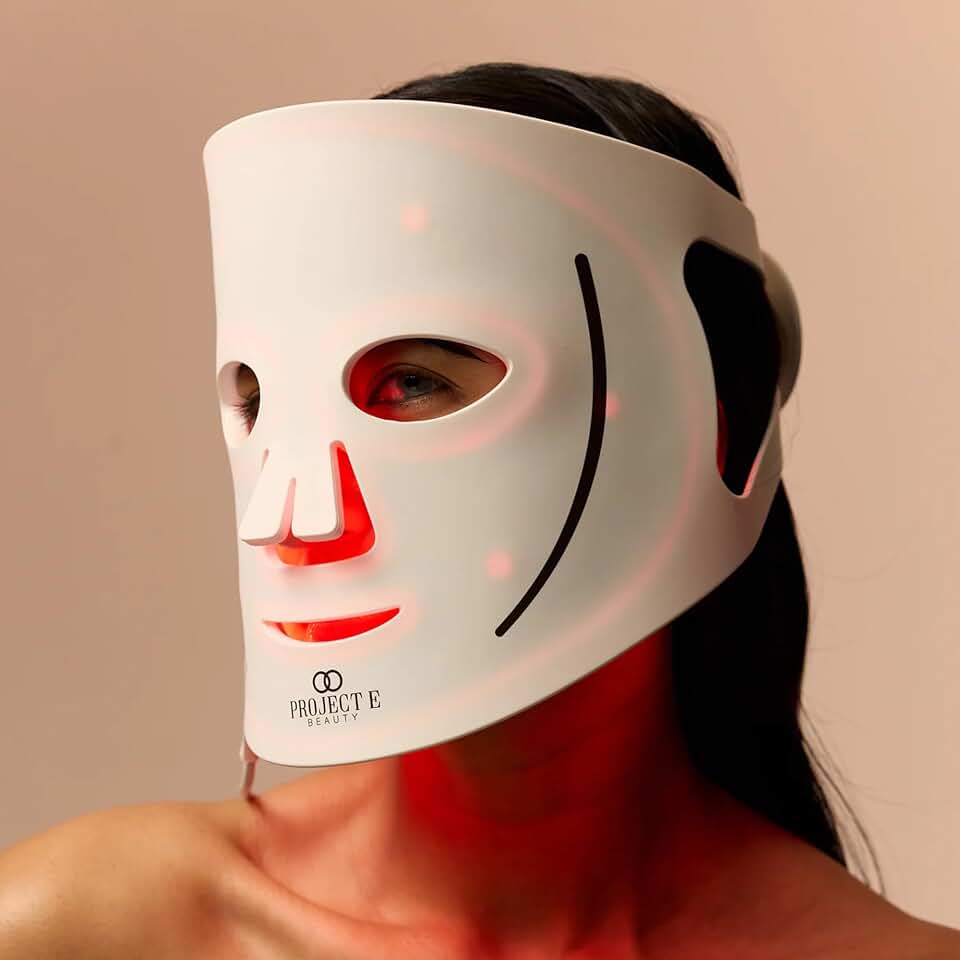
Project E Beauty LED Mask: (around $149) This mask is popular on social media and offers both red and blue light settings. It’s a full-face mask, which means it can treat a larger area at once. User reviews are mixed, with some praising its effectiveness and others reporting inconsistent results.
HigherDOSE Red Light Face Mask: (around $195) While leaning more towards red light, this mask incorporates blue light wavelengths as well. It’s known for its comfortable design and ease of use. It's a bit pricier, but HigherDOSE has a solid reputation.
MZ Skin Light-Therapy Golden Facial Treatment Device: (around $185) This wand-style device combines LED light with microcurrent technology. It offers different wavelengths and treatment modes, making it a versatile option. It's a smaller treatment area, so it takes more time to cover the entire face.
Omnilux Contour Face: (around $199) This flexible silicone mask conforms to the contours of your face. It uses both red and near-infrared light, but also offers a dedicated blue light mode for acne. It’s rechargeable and relatively lightweight.
Dr. Dennis Gross DRx SpectraLite FaceWare Pro: (around $175) A well-known name in skincare, Dr. Dennis Gross's mask is a popular choice. It uses 100 LEDs for both red and blue light therapy. It's a bit bulkier than some other options, but it's known for its consistent performance.
Featured Products

Combines red, blue, and infrared light therapy · Features 360 LEDs for comprehensive coverage · Aims to reduce wrinkles, fine lines, and dark spots
This device offers a multi-light therapy approach for various skin concerns, though it exceeds the budget.

Utilizes dual red and blue light therapy · Designed for skin rejuvenation · FSA/HSA eligible
This mask provides targeted red and blue light therapy for skin renewal, but it is above the specified price point.

FDA cleared for safety and efficacy · Combines red and blue light therapy · Aims to reduce acne and wrinkles
This device is a budget-friendly option that offers FDA-cleared red and blue light therapy for acne and wrinkle reduction.
Features 800 LEDs for high power output · Offers 7+2 colors including red, infrared, and deep infrared · Designed for professional-level LED light therapy
This mask boasts a high number of LEDs and multiple light wavelengths for advanced treatment, but it is priced higher than the target.

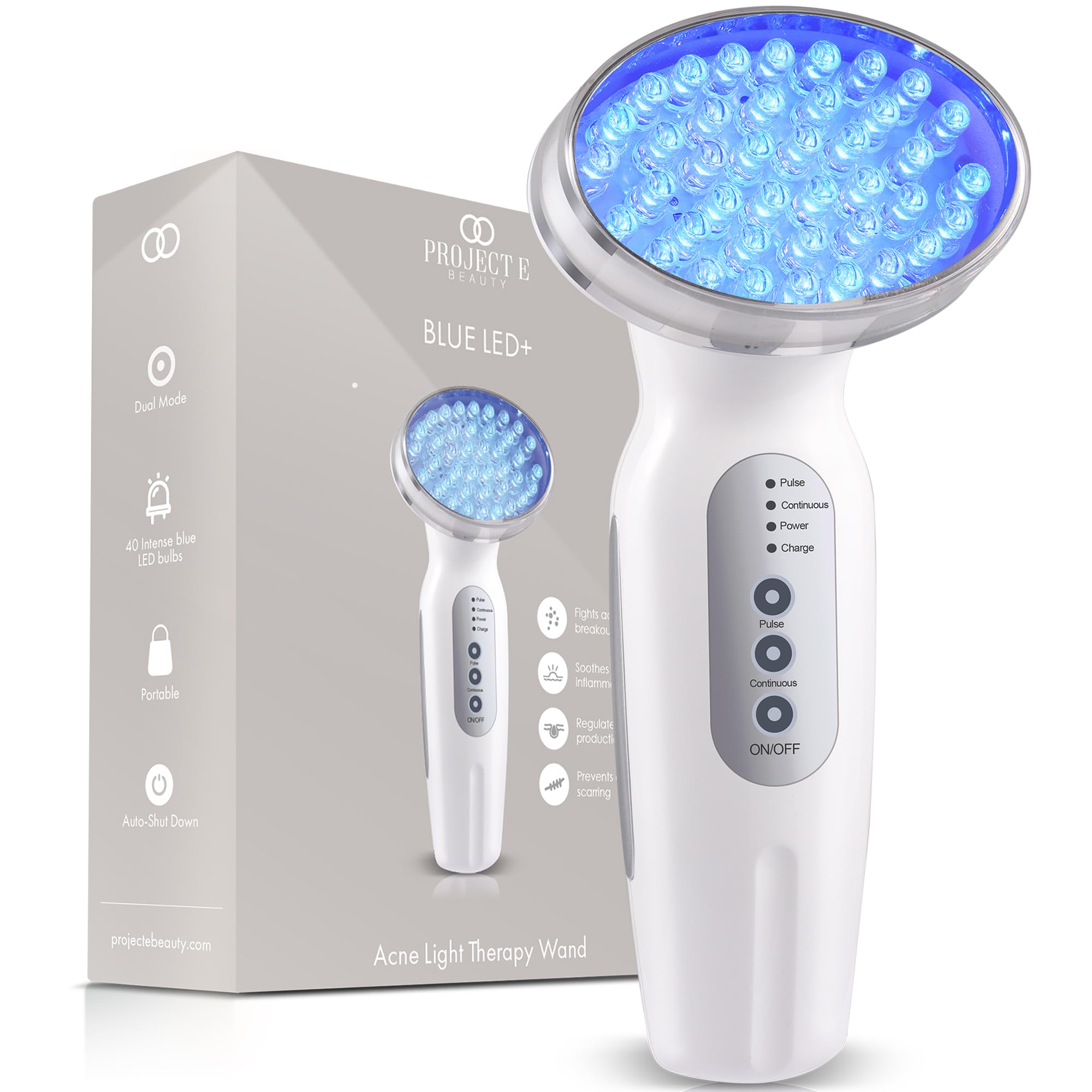
Specifically designed for acne spot treatment · Utilizes blue light therapy · Portable wand format
This is a highly accessible and budget-friendly wand that focuses specifically on blue light therapy for targeted acne spot treatment.
As an Amazon Associate I earn from qualifying purchases. Prices may vary.
User experiences with LED devices
User reviews are a mixed bag, as you’d expect. On Amazon, the Project E Beauty LED Mask consistently receives a high number of reviews, but the ratings are fairly polarized. Many users report a noticeable reduction in inflammatory acne after several weeks of consistent use. One reviewer stated they saw a significant decrease in breakouts within 4 weeks, but also mentioned the mask can be uncomfortable after prolonged use.
Reddit threads dedicated to acne treatment often feature discussions about LED therapy. Many users report that at-home devices work best when combined with a good skincare routine. Several users mentioned seeing improvement in their skin texture and reduced redness, even if their acne didn’t completely disappear. A common complaint is the need for consistent use – if you skip treatments, the results tend to fade.
Individual results will vary. Factors like skin type, acne severity, and consistency of use all play a role. Some users report no noticeable difference, while others rave about transformative effects. Some users experience initial breakouts – a "purging" effect – as the LED therapy brings underlying congestion to the surface.
Overall, at-home LED devices can be a helpful tool for managing mild to moderate acne, but they’re not a miracle cure. Realistic expectations and consistent use are essential.
Safety and side effects
LED therapy is generally considered safe, but potential side effects exist. The most common side effects are mild and temporary, such as redness, dryness, and sensitivity, usually subsiding within a few days. Start slowly and gradually increase treatment time to minimize these effects.
People with certain medical conditions should avoid LED therapy. According to the FDA, individuals with photosensitivity, epilepsy, or those taking photosensitizing medications should consult a doctor before using these devices. Pregnant or breastfeeding women should also exercise caution and seek medical advice.
Protecting your eyes is crucial. Never look directly at the LED lights, as this can cause eye damage. Most devices come with protective eyewear; always wear it during treatment. Follow the manufacturer’s instructions carefully. Overuse can lead to irritation and dryness.
If you experience severe side effects, such as blistering, swelling, or pain, discontinue use immediately and consult a doctor. Err on the side of caution.
Maximizing your results
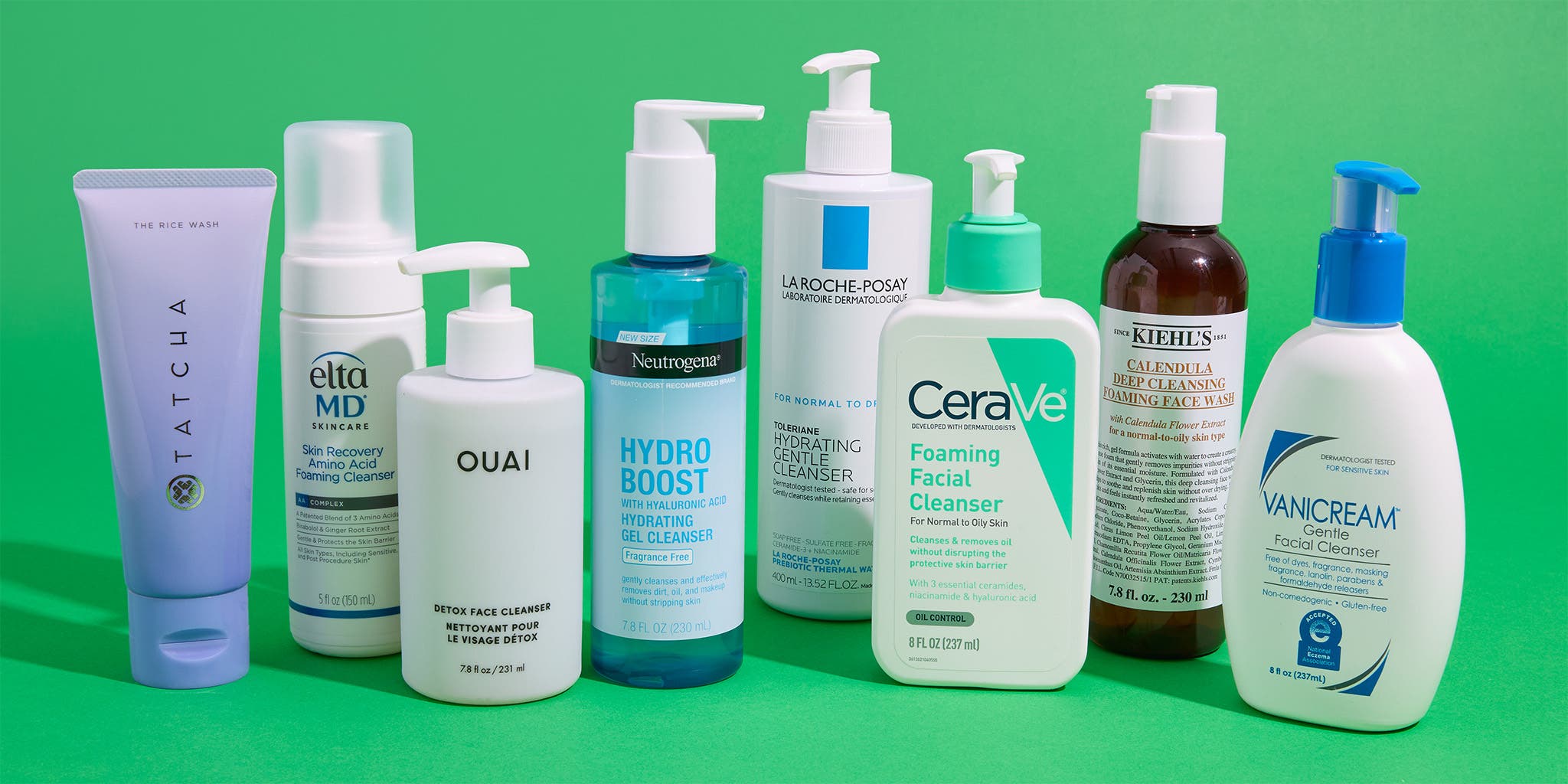
LED therapy is most effective when integrated into a comprehensive skincare routine. Start with a gentle cleanser to remove makeup and impurities. Avoid harsh scrubs or exfoliants before treatment, as this can irritate your skin. After LED therapy, apply a hydrating moisturizer to replenish moisture and soothe your skin.
Consider incorporating other acne-fighting ingredients into your routine, but be careful not to overdo it. Benzoyl peroxide and salicylic acid can be used with LED therapy, but start slowly and monitor your skin for irritation. Alternate days or use them at different times of day to avoid over-drying.
Sunscreen is essential, even on cloudy days. LED therapy can make your skin more sensitive to the sun, so protecting it with a broad-spectrum sunscreen is crucial. Use a sunscreen with an SPF of 30 or higher and apply it generously.
Consistency is key. Stick to a regular treatment schedule – daily or several times a week – to see the best results. Don't expect overnight miracles, but with consistent use, you should see improvements in your skin over time. A healthy lifestyle, including a balanced diet and adequate sleep, will also contribute to clearer skin.
- Cleanse your skin with a gentle cleanser.
- Follow your device's instructions for LED therapy.
- Apply a hydrating moisturizer.
- Protect your skin with SPF 30+ sunscreen.

No comments yet. Be the first to share your thoughts!